Top Rated Animation Movies on Pantaflix - Page 247
All Services
Free Services
 Netflix
 Amazon Prime Video
 Apple iTunes
 Apple TV Plus
 Disney Plus
 Google Play Movies
 Paramount Plus
 Hulu
Hulu
 HBO Max
 YouTube
 fuboTV
 Peacock
 Peacock Premium
 Amazon Video
 The Roku Channel
 AMC+
AMC on Demand
AMC+
AMC on Demand
 Kocowa
 Hoopla
 The CW
 Vudu
Vudu
 Starz
Starz
 Showtime
 PBS
PBS
 Pantaflix
 FXNow
FXNow
 Tubi TV
 Kanopy
 Comedy Central
 Crunchyroll
 Microsoft Store
 Redbox
 Sun Nxt
 ABC
ABC
 DIRECTV
 Crackle
 Fandor
 Plex
Plex
Netflix
Amazon Prime Video
Apple iTunes
Apple TV Plus
Disney Plus
Google Play Movies
Paramount Plus
Hulu
HBO Max
YouTube
fuboTV
Peacock
Peacock Premium
Amazon Video
The Roku Channel
AMC+
AMC on Demand
Kocowa
Hoopla
The CW
Vudu
Starz
Showtime
PBS
Pantaflix
FXNow
Tubi TV
Kanopy
Comedy Central
Crunchyroll
Microsoft Store
Redbox
Sun Nxt
ABC
DIRECTV
Crackle
Fandor
Plex

Bluebeard
1936
Bluebeard
1936
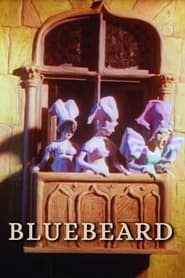
star 6Perrault's fairy tale presented in claymation with choral voices. Bluebeard goes courting, all six of his wives having died. He arrives at the house of a widow with two daughters. He's greatly feared, but he overcomes objections with a generous dowry. One sister (Anne) refuses him; the other accepts. At his castle, the damsel delights in precious minutes away from Bluebeard in the rose garden. The Saracens declare war; Bluebeard goes off to fight them, leaving the keys to the castle in the damsel's hands. He warns her not to enter the forbidden room. As war rages, she discovers riches in the castle and then enters the forbidden room. Will Bluebeard discover her act? Can she escape death?Dough Ray Me-ow
1948
Dough Ray Me-ow
1948
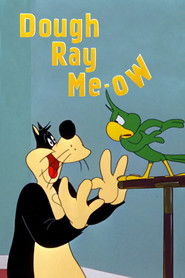
star 6.8Louie the Parrot finds a written will stating that his master bequeathes the family fortune not to him, but to his fellow household pet, a lunkheaded cat named Heathcliff, with the proviso that Louie is next in line to inherit the wealth if Heathcliff dies. So, Louie plots the untimely demise of Heathcliff.A Computer Animated Hand
1972
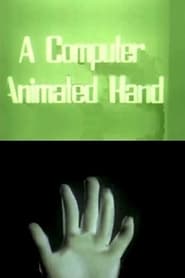
star 6.7Archive film showing possibly the first example of digital rendering, made by Pixar co-founders Ed Catmull and Fred Parke in 1972, was stumbled upon by the son of Robert B Ingebretsen, who also set up the world-famous U.S. studio. A six minute version shows additional CGI animation of an artificial heart valve, and human heads.The Night
1999
The Night
1999
star 6.3It's the story of a child and her mother, two lives that don't communicate with each other. Is that loneliness that sometimes reaches the size of the night. Dark is the night. Dark is the mother. And dark becomes the entire Universe when you are alone and abandoned.Dennis the Menace: Cruise Control
2002
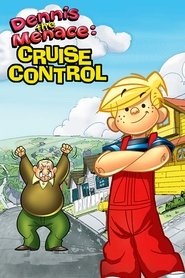
star 4.9While on the cruise ship Dennis, Joey, Margaret, and Ruff find a princess who is being hypnotized, meanwhile two crooks are after the ring the princess wears.The Creation of the World
1958
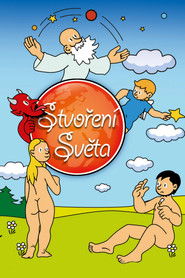
star 6.7La Création du Monde is among the first animated feature films made in France. But to be exact, the film was animated in Czechoslovakia and directed by Eduard Hofman. It is adapted from a series of five books by Jean Effel, a French caricaturist and illustrator. The visual style is adapted from his drawings. The film is a comedy about the creation of the universe in six days, with the devil messing around and contributing in his own way.Café Bar
1975
Dog
2001
Dog
2001
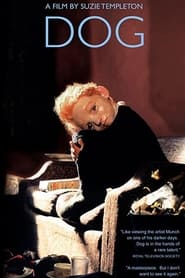
star 6.3A young boy and his father live in a dull, lonely house with the shadow of mourning hanging over them both. The boy misses his mother but gets no comfort from his father's assertions that she went peacefully. This tragedy is added to by the family dog which is looking increasingly unhealthy.Bowery Bugs
1949
Bowery Bugs
1949
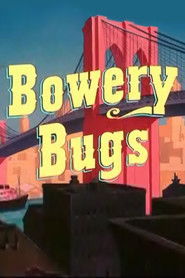
star 6.6After a man down on his luck comes looking for a rabbit's foot, Bugs Bunny embarks on a campaign of terror that eventually provokes him to jump off the Brooklyn Bridge.Down to the Bone
2002
Down to the Bone
2002
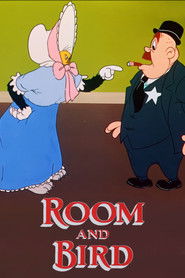
star 7.2A man is wrongfully buried alive, and starts to descend to the Underworld.Room and Bird
1951
Room and Bird
1951
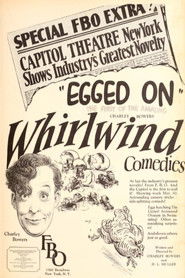
star 6.8Tweety and Sylvester are Granny's pets in the Spinsters Arms Hotel, where pets aren't allowed.Egged On
1926
Egged On
1926
star 6.2Charley invents a machine that turns ordinary, breakable eggs into rubbery, unbreakable ones for transport. He builds a Rube Goldberg contraption of parts stolen from his neighbors. Rival egg companies want his invention, one of them stooping to sabotage to get it.The Life of Budori Gusuko
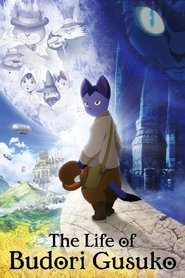
2012
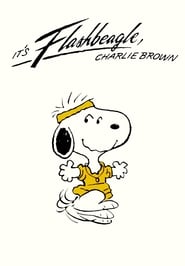
star 6.6The fairy tale follows a young man named Gusukō in the Tōhoku forests of northeastern Japan in the 1920s. After an onslaught of droughts and natural disasters, Gusukō is forced to leave his home and search for a better life elsewhere. Gusukō joins a group of scientists at the Ihatov Volcano Department, which deals with the same natural disasters that drove Gusukō from his home.It's Flashbeagle, Charlie Brown
1984
star 6.4The story begins at a big football game where Snoopy wins a game from Peppermint Patty's team. That night, Snoopy gets out a radio, learns some 80's dance moves, and becomes Flashbeagle.Hare-Breadth Hurry
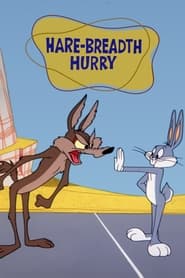
1963
Hare-Breadth Hurry
1963
star 5.6When Bugs takes Wile E. Coyote's place in a cartoon, the Bugs/Coyote roles and rules become confused.Compressed Hare
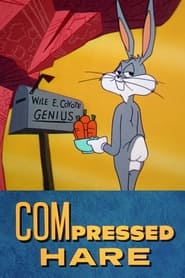
1961
Compressed Hare
1961
star 6.8Bugs battles Wile E. Coyote. A ten trillion volt electric magnet draws everything imaginable.Alice's Day at Sea
1924
Alice's Day at Sea
1924
star 4.6Alice's trip to the sea inspires her to dream of a visit to an animated underwater world.Rhythm 23
1923
Rhythm 23
1923
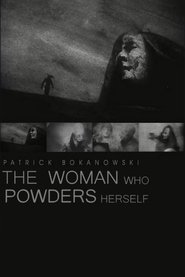
star 5.4We watch white shapes dancing on black background, which changes when the white shape fills up the screen completely, and black lines and figures bounce around on the now white background.The Woman Who Powders Herself
1972
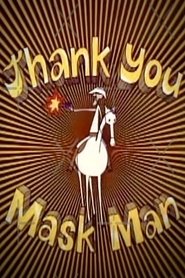
star 6.5A study of human anxieties about beauty, youth and objectification.Thank You Mask Man
1971
Thank You Mask Man
1971
star 4.8This short animation set to Lenny Bruce's live monologue tells how the Lone Ranger hooks up with Tonto. With Bruce doing all the voices, this animation begins with local folks upset at the Lone Ranger because he won't stay around to be thanked after a good deed. So, he stays and finds he likes hearing "Thank you mask man." When their attention starts to shift elsewhere, he shocks and disgusts the townspeople with a final request. According to the cartoon’s producer John Magnuson, at early showings of this, gay audiences were upset by its apparent “fag-bashing”. And it’s true, part of the fun of the piece is just crying out “Masked man’s a fag”, scandalising and defacing the image of this all-American hero. But it’s within the larger context of Bruce’s analysis of heroism, and that the towns people reject the Masked Man is because of their prejudices, not because Bruce is asking us to endorse them. (from: http://ukjarry.blogspot.de/2010/01/352-lenny-bruce-thank-