Top Rated Animation Movies on Pantaflix - Page 338
All Services
Free Services
 Netflix
 Amazon Prime Video
 Apple iTunes
 Apple TV Plus
 Disney Plus
 Google Play Movies
 Paramount Plus
 Hulu
Hulu
 HBO Max
 YouTube
 fuboTV
 Peacock
 Peacock Premium
 Amazon Video
 The Roku Channel
 AMC+
AMC on Demand
AMC+
AMC on Demand
 Kocowa
 Hoopla
 The CW
 Vudu
Vudu
 Starz
Starz
 Showtime
 PBS
PBS
 Pantaflix
 FXNow
FXNow
 Tubi TV
 Kanopy
 Comedy Central
 Crunchyroll
 Microsoft Store
 Redbox
 Sun Nxt
 ABC
ABC
 DIRECTV
 Crackle
 Fandor
 Plex
Plex
Netflix
Amazon Prime Video
Apple iTunes
Apple TV Plus
Disney Plus
Google Play Movies
Paramount Plus
Hulu
HBO Max
YouTube
fuboTV
Peacock
Peacock Premium
Amazon Video
The Roku Channel
AMC+
AMC on Demand
Kocowa
Hoopla
The CW
Vudu
Starz
Showtime
PBS
Pantaflix
FXNow
Tubi TV
Kanopy
Comedy Central
Crunchyroll
Microsoft Store
Redbox
Sun Nxt
ABC
DIRECTV
Crackle
Fandor
Plex

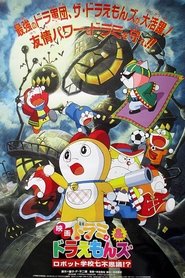
Dorami & Doraemons: Robot School's Seven Mysteries
1996
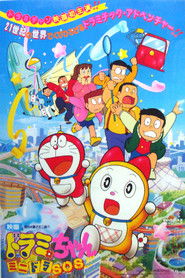
star 7.3It is time for Doraemon's younger sister - Dorami-chan to graduate from the Robot School. But a mysterious wind sucks Doraemon and the principal away. Dorami escapes, and finds Doraemon's Good Friend Telepathy Card. This is a device Doraemon uses to communicate with his friends—collectively known as The Doraemons.Dorami-chan: Mini-Dora SOS!!
1989
star 6.3This episode is set in the future 2011 where the main characters from Doraemon are all grown up and have kids. Minidora (mini doraemon) accidentally gets delivered to the Nobita's future house. The sons of Jyaiyan, Suneo and Nobita plays with Minidora with the special goods he brings out of his pocket. But trouble happens when they ran away from Dorami, who came to retrieve Minidora.Doraemon Comes Back
1998
Doraemon Comes Back
1998
star 6.8A short film released in 1998 between Nobita's Great Adventure in the South Seas and The Great Operating of Springing Insects. About Doraemon leaving Nobita to go back to the future.Moon Breath Beat
1980
Moon Breath Beat
1980
star 4.8Moon Breath Beat is a hand-drawn experimental 2D film that depicts a woman and her two cats and how external forces such as birds and the moon impact their lives. Preserved by the Academy Film Archive in 2016.Riki-Oh 2: Child of Destruction
1990
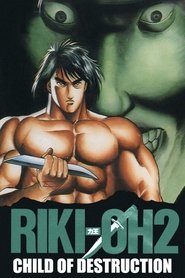
star 6Riki finds himself in the town of Misaki, dotted with illegal nuclear power plants and run by a religious fanatic military organization called "God's Judgment." He is taken prisoner and made to fight in gladiatorial matches in a sprawling arena. He finds his brother, whose special powers have given him the name of "Savior," but his reunion with his resentful sibling turns sour rather quickly.Family Guy Presents: Seth & Alex's Almost Live Comedy Show
2009
star 5.8A commercial-free variety special starring Seth MacFarlane and his "Family Guy" co-star Alex Borstein. The half-hour special will highlight the duo's subversive and unique comedic sensibilities and feature original animation, live-action performances of "Family Guy's" most memorable musical numbers, comedy sketches and surprise celebrity guests.Hercules
1997
Hercules
1997
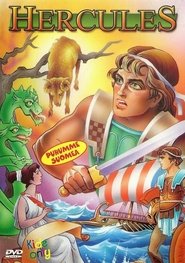
star 3A long time ago, when monsters and ogres lived around the world, Zeus decided to make his son Hercules immortal so he could rule over Greece. But Hera, Zeus' wife, doesn't like the idea. Now, Hercules must prove he's worthy of being called a hero.Bully for Pink
1965
Bully for Pink
1965
star 6.8The Pink Panther decides to become a matador and to this purpose confiscates a magician's cape. The panther enters a bullfight ring with the magical cape, and the bull is thwarted not by the panther's bullfighting prowess but by the cape's trickery.Monsterbox
2012
Monsterbox
2012
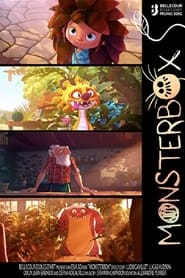
star 6.6Short film called "Monsterbox" created as an end of studiies project for 3D computer graphics Bachelor, Ludovic Gavillet 2012 Bellecour Schools Art & Design Entertainment (bellecour.fr).Joachim's Dictionary
1966
Joachim's Dictionary
1966
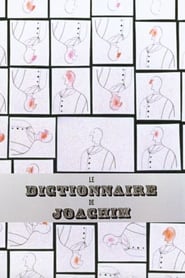
star 6.5A light-hearted animated romp through the alphabet, with each letter identified by both a word and a visual interpretation of that word, by the crudely-drawn Joachim.The Face Robber
2013
The Face Robber
2013
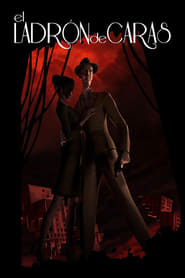
star 6.7A mysterious young woman has been horribly attacked by a strange creature that steals faces. Detective Paul F. Gimbal decides to protect her and starts a dark investigation to overcome the dangerous thief who wants to destroy everything.Fire Tripper
1985
Fire Tripper
1985
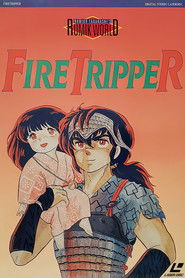
star 5.2A massive gas explosion in modern-day Tokyo throws 17-year-old Suzuko back in time — 500 years into the past and into a death-strewn battlefield. Rescued from lecherous bandits by the young warrior Shukumaru, Suzuko struggles to untangle the time lines. Slowly she begins to understand the strange force that has exiled her, and how it relates to her own mysterious past. Shukumaru and Suzuko tackle mystery, tragedy and disaster as time unravels amidst the roaring flames of past and present.The Flintstones: Fred's Final Fling
1980
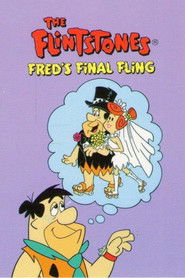
star 6.7Due to a mix-up at the doctor's office, Fred believes he has only 24 hours left to live.Brief History
1956
Brief History
1956
star 5.5This 1957 Romanian short animation and Cannes Film Festival winner skilfully and with incredible artistic expression manages to condense the entire narrative of human evolutionary theory into a ten minute short film. Not only that, he eerily anticipates the communist triumph of the USSR launching the first man into space by a few years.Wings: Sky Force Heroes
2014
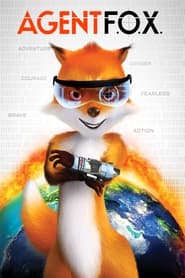
star 5.4When Ace, a cocky young firefighter, defies his orders and recklessly puts his team in jeopardy, he resigns to the coal mines. Until one day he gets the chance to redeem himself.Agent F.O.X.
2015
Agent F.O.X.
2015
star 4.1Super spy and master inventor Agent F.O.X. arrives in Carrot Town with one objective: infiltrate the community of friendly rabbits, locate a mysterious artifact, and return to base immediately. But the mission is turned on its head when the secret agent is discovered... and mistaken for a distant cousin: a long-tailed rabbit. Overwhelmed by their hospitality and friendship, Long Tail is forced to make a difficult choice: abandon his mission or betray his newfound friends. He soon discovers that he is part of a dangerous plot that could threaten the peace between the two animal groups forever. Agent F.O.X. is a high octane animated adventure with lots of laughs, zany action, and a heartwarming story the entire family will enjoy.Larry and Steve
1997
VeggieTales: The Star of Christmas
2002
star 4.7It's 1880's London, and Cavis Appythart and Millward Phelps (Bob and Larry) are putting the finishing touches on their first Christmas musical, "The Princess and the Plumber." Filled with spectacle and more electric lights than London has ever seen, Cavis is convinced his impressive show will "teach London to love!" Unfortunately, a church Christmas pageant staged by Little Edmund Gilbert (Junior Asparagus) is opening the same night, right down the street, and features the "Star of Christmas"– A priceless artifact that hasn't been seen in 80 years. Just how far will Cavis go to make sure his show opens on top? Find out in this hilarious, action-packed adventure which teaches that it's the true story of God's love that shows us how to love one another– at Christmas time and throughout the year!Flammes
1998