Top Rated Animation Movies on Pantaflix - Page 342
All Services
Free Services
 Netflix
 Amazon Prime Video
 Apple iTunes
 Apple TV Plus
 Disney Plus
 Google Play Movies
 Paramount Plus
 Hulu
Hulu
 HBO Max
 YouTube
 fuboTV
 Peacock
 Peacock Premium
 Amazon Video
 The Roku Channel
 AMC+
AMC on Demand
AMC+
AMC on Demand
 Kocowa
 Hoopla
 The CW
 Vudu
Vudu
 Starz
Starz
 Showtime
 PBS
PBS
 Pantaflix
 FXNow
FXNow
 Tubi TV
 Kanopy
 Comedy Central
 Crunchyroll
 Microsoft Store
 Redbox
 Sun Nxt
 ABC
ABC
 DIRECTV
 Crackle
 Fandor
 Plex
Plex
Netflix
Amazon Prime Video
Apple iTunes
Apple TV Plus
Disney Plus
Google Play Movies
Paramount Plus
Hulu
HBO Max
YouTube
fuboTV
Peacock
Peacock Premium
Amazon Video
The Roku Channel
AMC+
AMC on Demand
Kocowa
Hoopla
The CW
Vudu
Starz
Showtime
PBS
Pantaflix
FXNow
Tubi TV
Kanopy
Comedy Central
Crunchyroll
Microsoft Store
Redbox
Sun Nxt
ABC
DIRECTV
Crackle
Fandor
Plex

Not Everything That Flies Is a Bird
1970
star 4.7The film describes the suffering of a character who is renovating his house while being confronted with a monstrous bird which is terrorising and oppressing him. It should be read as a parable of the 1968 Soviet invasion of Czechoslovakia. The film was subject to severe criticism at the 1970 Oberhausen film festival in Germany in 1970, in particular from directors from South American communist countries.The Heart
1973
The Heart
1973
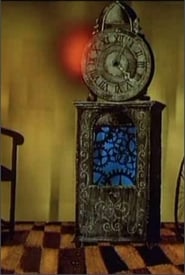
star 7The desperate love of a moonstruck clown for a young lady inside a stopped clock.Camp Pikachu
2002
Camp Pikachu
2002
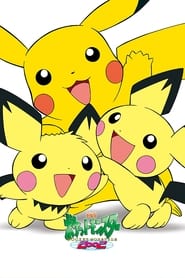
star 5.7Riding home atop a train, the Pichu Brothers suddenly find themselves knocked off and flying through the air! They hit a Wynaut on their way down, bringing all three of them to the forest where Pikachu, Totodile, and some more friends are playing in a waterfall and building a campfire. When it starts to rain, the group takes shelter in a water mill—but the water mill starts moving! The next morning, the whole group decides to work together to make sure the Pichu Brothers make their train. Will the two be able to make it home safe?Early Bird
1983
Around the World with Bolek and Lolek
1977
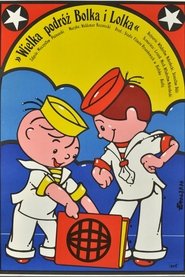
star 6.1Animated film about two young boys, Bolek and Lolek, who seek to fulfill the last will of Phileas Fogg who decided that his inheritor would be the one who made an identical round the world journey as he had done, using the means of transport generally in use in the nineteenth century. As they journey round the world, a bad character named Jeremiah tries to foil their attempts.Automania 2000
1964
Automania 2000
1964
star 6.8An animated, dark satire of America's automobile-obsessed, consumerist culture. An anonymous, brilliant scientist toils tirelessly in his ivory tower satisfying the public's ever-increasing demands for novelty and status consciousness, with predictable environmental consequences.The Birth of the Robot
1936
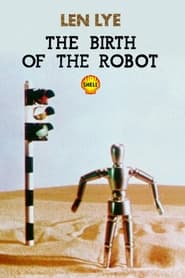
star 6.8This experiment was a “prestige advertisement” for Shell Motor Oil. As conventional animation became dominated by Walt Disney, many European filmmakers turned to puppets as an alternative, and Lye enlisted the help of avant-garde friends such as Humphrey Jennings and John Banting to make the amusing puppets. Exploring the still-complex color process, which involved the combination of three separate images, Lye creates such a vivid storm scene that reviewers hailed it as “proof that the color film has entered a new stage.” The music is Holst’s The Planets. - Harvard Film ArchiveGoo Goo Goliath
1954
Goo Goo Goliath
1954
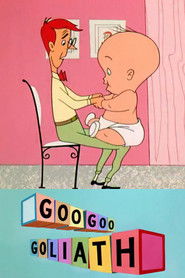
star 6.4A drunken stork delivers the baby of a giant to a normal-sized couple instead, and they try to raise him as well as they can.Life with Feathers
1945
Life with Feathers
1945
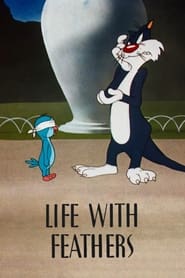
star 7A spurned love bird tries to get Sylvester to put him out of his misery.Alpine Antics
1936
Alpine Antics
1936
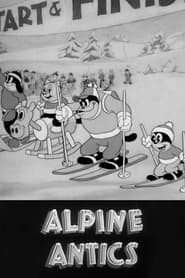
star 6Prologue: various animals enjoy winter sports. Beans sees a notice of a ski race, and decides to enter. But so does a bad guy (who looks more than a little like Disney's Pete). The bad guy sabotages the other contestants in various ways, takes short cuts, etc. But Beans manages to tie up the bad guy in his own trip line. A duck riding a dachshund knocks the bad guy out for a while; he and Beans trade places a few more times before Beans wins the race, just barely.The Cat Came Back
1936
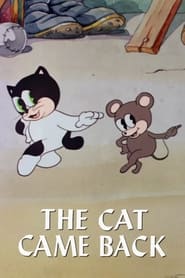
The Cat Came Back
1936
star 6.7Mama cat is teaching her kittens to catch mice. Meanwhile, across the basement, mama mouse is teaching her little ones how to avoid cats.Plane Dippy
1936
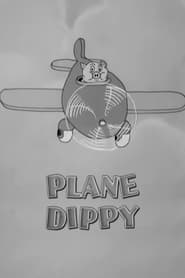
Plane Dippy
1936
star 5.4Porky Pig joins the Army Air Corps. After overcoming the problems caused by his small stature and surviving the rigors of basic training...Porky's Poultry Plant
1936
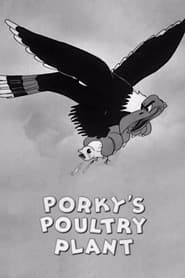
star 6.2Porky Pig is raising chickens, ducks, and geese. Many birds have fallen victim to the hawk. Porky's going to do everything he can to fight back.Little Beau Porky
1936
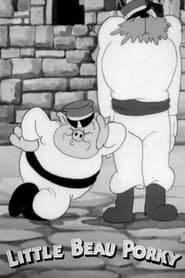
Little Beau Porky
1936
star 6.2Porky's in the foreign legion. But he's not allowed to fight; all he can do is scrub camels, and he's not particularly good at that. The other soldiers ride off to find the evil Ali Mode, leaving Porky behind. Ali Mode notices, and tries to gain entrance to the fort, first by tricking Porky, then by tunnelling, then by military assaults, but Porky rebuffs all attempts, ultimately landing Ali Mode in a big vat of "Cairo Syrup" and collecting a chestful of medals.The Village Smithy
1936
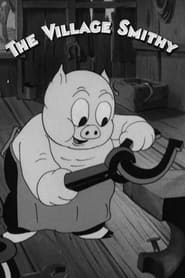
The Village Smithy
1936
star 5.6The narrator sets the scene for a warped version of the classic poem, and the hijinks when assistant Porky gives the blacksmith a rubber horseshoe, then a hot horseshoe on the horse's backside by accident.Otto the Rhino
2013
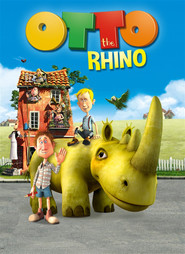
Otto the Rhino
2013
star 5.2Topper thinks summer vacation is boring. He misses his father who is sailing the seven seas. He can't figure out Sille who's cute. And his best friend, Viggo, always has to help out his punctilious dad, Mr Lion, in the café on the first floor of the red house where Topper lives on the top floor with his mother. One day, Topper finds a magic pencil and when he draws a rhino on the wall, the drawing comes to life! While Topper and Viggo try to keep the rhino, which they name Otto, well fed with black bread and raspberry soda before it devours all the furniture, Mr Lion pleads with the local authorities to come and remove the stomping pachyderm.House Hunting Mice
1947
Careful, Monkeys!
1984
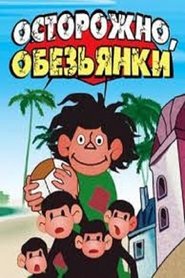
Careful, Monkeys!
1984
star 7.5Second film. Adventures of little monkeys, secretly from their mother escaped from a zoo to the city.Freeze Frame
1979
Box-Office Bunny
1990
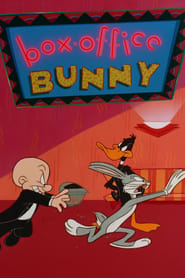
Box-Office Bunny
1990
star 6.2Bugs Bunny partakes of the multiplex cinema that has been instantly built over his hole over the objection of usher Elmer Fudd.