Top Rated Documentary Movies on Pantaflix - Page 139
All Services
Free Services
 Netflix
 Amazon Prime Video
 Apple iTunes
 Apple TV Plus
 Disney Plus
 Google Play Movies
 Paramount Plus
 Hulu
Hulu
 HBO Max
 YouTube
 fuboTV
 Peacock
 Peacock Premium
 Amazon Video
 The Roku Channel
 AMC+
AMC on Demand
AMC+
AMC on Demand
 Kocowa
 Hoopla
 The CW
 Vudu
Vudu
 Starz
Starz
 Showtime
 PBS
PBS
 Pantaflix
 FXNow
FXNow
 Tubi TV
 Kanopy
 Comedy Central
 Crunchyroll
 Microsoft Store
 Redbox
 Sun Nxt
 ABC
ABC
 DIRECTV
 Crackle
 Fandor
 Plex
Plex
Netflix
Amazon Prime Video
Apple iTunes
Apple TV Plus
Disney Plus
Google Play Movies
Paramount Plus
Hulu
HBO Max
YouTube
fuboTV
Peacock
Peacock Premium
Amazon Video
The Roku Channel
AMC+
AMC on Demand
Kocowa
Hoopla
The CW
Vudu
Starz
Showtime
PBS
Pantaflix
FXNow
Tubi TV
Kanopy
Comedy Central
Crunchyroll
Microsoft Store
Redbox
Sun Nxt
ABC
DIRECTV
Crackle
Fandor
Plex

I Dream of Wires
2014
I Dream of Wires
2014
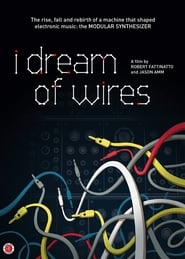
star 6.5An independent documentary film about the phenomenal resurgence of the modular synthesizer — exploring the passions, obsessions and dreams of people who have dedicated part of their lives to this esoteric electronic music machine. Inventors, musicians, and enthusiasts are interviewed about their relationship with the modular synthesizer — for many, it's an all-consuming passion.Propaganda
2013
Propaganda
2013
star 8An anti-western propaganda film about the influences of American visual and consumption culture on the rest of the world, as told from a North Korean perspective.Eraserhead Stories
2001
The Corbett-Fitzsimmons Fight
1897
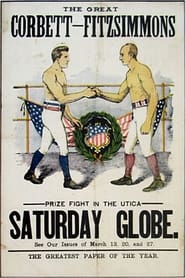
star 5.3This legendary fight was filmed on March 17, 1897, using 63mm film that produced an aspect ratio of about 1.75:1. Using three adjacent cameras, Enoch Rector recorded the entire fight, simultaneously creating the world's first known feature film, as the resulting footage lasted over 90 minutes in length. About a quarter of the film survives today.Circular Panorama of Electric Tower
1901
star 5.3A most interesting picture at the Pan-American Exposition. The picture was taken from the north side of the Electric Tower. It presents the most perfect and diversified views of the Transportation Building, Mexican Plaza, the Stadium and the north side of the Electric Tower. (Edison Catalog, 1902)Lemon
1969
Lemon
1969
star 4.9Light begins to illuminate the small, nipple-like end of a lemon on the right edge of the frame and gradually spreads until the entire lemon is clearly visible. Then the light recedes across the frame.Park Avenue: Money, Power & The American Dream
2012
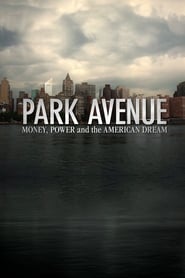
star 7If income inequality were a sport, the residents of 740 Park Avenue in Manhattan would all be medalists. This address boasts the highest number of billionaires in the United States.Approved for Adoption
2012
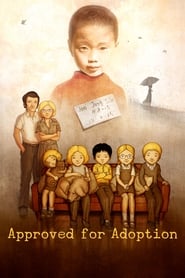
star 7.3This remarkable animated documentary traces the unconventional upbringing of the filmmaker Jung Henin, one of thousands of Korean children adopted by Western families after the end of the Korean War. It is the story of a boy stranded between two cultures. Animated vignettes – some humorous and some poetic – track Jung from the day he first meet his new blond siblings, through elementary school, and into his teenage years, when his emerging sense of identity begins to create fissures at home and ignite the latent biases of his adoptive parents. The filmmaker tells his story using his own animation intercut with snippets of super-8 family footage and archival film. The result is an animated memoir like no other: clear-eyed and unflinching, humorous, and above all, inspiring in the capacity of the human heart.B.B. King: The Life of Riley
2012
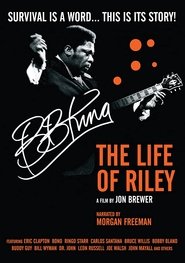
star 6.9Documentary charting the life of blues guitarist B.B. King, with contributions from fellow musicians.India: Matri Bhumi
1959
India: Matri Bhumi
1959
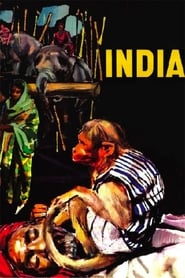
star 7Several stories depicting the landscapes and fauna of India are mixed with documentary footage.Free Angela and All Political Prisoners
2012
star 7.1The story of how, in 1970, the social activism of young UCLA philosophy professor Angela Davis led her to become involved in a failed kidnapping attempt that ended in a shootout, four deaths, and her name on the FBI's Ten Most Wanted list.Hotel Monterey
1973
Hotel Monterey
1973
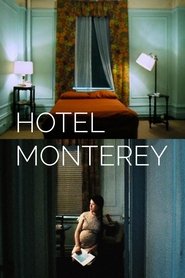
star 6New York City's Monterey is a residence hotel, whose inhabitants are older and primarily live alone. The camera, usually stationery, observes the lobby. No score, the lobby is clean with granite floors, men wear hats, people enter and exit an elevator, the camera looks out from within the elevator as doors open and close. People sit alone and motionless in their apartments. There are long shots of empty halls. Paint peels. The flooring on upper levels is linoleum. Hall lights are florescent. Doors open a crack then close.Diaries, Notes, and Sketches
1968
star 7.4Also known as Walden, Jonas Mekas’s first diary film is a six-reel chronicle of his life in 1960s New York, interweaving moments with family, friends, lovers, and artistic idols. Blending everyday encounters with portraits of the avant-garde art scene, it forms an epic, personal meditation on community, creativity, and the passage of time.Fencing
1892
From the East
1993
From the East
1993
star 6.8In this incisive dispatch from the newly collapsed Soviet empire, bullet holes from WWII still pockmark the old stone buildings. Akerman journeys from East Germany to Moscow between the late summer and winter of 1993 ('while there’s still time'), chronicling in deliberate tracking shots, circular pans, and domestic tableaux yet another moment of radical upheaval in the 20th-century, the faces and bodies of Poles, Ukrainians, Germans, and Russians weighed down with obedient resignation and uncertainty.José & Pilar
2010
José & Pilar
2010
star 7.3A deeply moving story about love, loss and literature, this documentary follows the days of José Saramago, the Nobel-laureate Portuguese novelist, and his wife, Pilar del Río. The film shows their whirlwind life of international travel, his passion for completing his masterpiece "The Elephant's Journey", and how their love quietly sustains them throughout.Flamenco Flamenco
2010
On the Bowery
1957
On the Bowery
1957
star 6.6A mix of documentary and scripted footage on the Bowery, New York City's skid row. Against a backdrop of men (and a few women) drinking in bars, talking and arguing, and sleeping on sidewalks, we have the story of Ray.Why We Fight: The Nazis Strike
1943
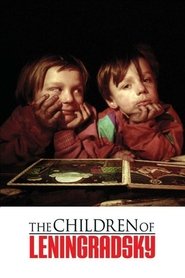
star 6.3The second film of Frank Capra's Why We Fight propaganda film series. It introduces Germany as a nation whose aggressive ambitions began in 1863 with Otto von Bismarck and the Nazis as its latest incarnation.The Children of Leningradsky
2005
star 7.5Since the fall of the Iron Curtain an estimated four million children have found themselves living on the streets in the former countries of the Soviet Union. In the streets of Moscow alone there are over 30,000 surviving in this manner at the present time. The makers of the documentary film concentrated on a community of homeless children living hand to mouth in the Moscow train station Leningradsky. Eight-year-old Sasha, eleven-year-old Kristina, thirteen-year-old Misha and ten-year-old Andrej all dream of living in a communal home. They spend winter nights trying to stay warm by huddling together on hot water pipes and most of their days are spent begging. Andrej has found himself here because of disagreements with his family. Kristina was driven into this way of life by the hatred of her stepmother and twelve-year-old Roma by the regular beatings he received from his constantly drunk father. "When it is worst, we try to make money for food by prostitution," admits ...