Top Rated Documentary Movies on Pantaflix - Page 162
All Services
Free Services
 Netflix
 Amazon Prime Video
 Apple iTunes
 Apple TV Plus
 Disney Plus
 Google Play Movies
 Paramount Plus
 Hulu
Hulu
 HBO Max
 YouTube
 fuboTV
 Peacock
 Peacock Premium
 Amazon Video
 The Roku Channel
 AMC+
AMC on Demand
AMC+
AMC on Demand
 Kocowa
 Hoopla
 The CW
 Vudu
Vudu
 Starz
Starz
 Showtime
 PBS
PBS
 Pantaflix
 FXNow
FXNow
 Tubi TV
 Kanopy
 Comedy Central
 Crunchyroll
 Microsoft Store
 Redbox
 Sun Nxt
 ABC
ABC
 DIRECTV
 Crackle
 Fandor
 Plex
Plex
Netflix
Amazon Prime Video
Apple iTunes
Apple TV Plus
Disney Plus
Google Play Movies
Paramount Plus
Hulu
HBO Max
YouTube
fuboTV
Peacock
Peacock Premium
Amazon Video
The Roku Channel
AMC+
AMC on Demand
Kocowa
Hoopla
The CW
Vudu
Starz
Showtime
PBS
Pantaflix
FXNow
Tubi TV
Kanopy
Comedy Central
Crunchyroll
Microsoft Store
Redbox
Sun Nxt
ABC
DIRECTV
Crackle
Fandor
Plex

Neat: The Story of Bourbon
2018
star 7.1Neat is a documentary that dives into the rich and storied world of bourbon. Exploring it's colorful history, charismatic characters, and uniquely American process, the film is a celebration of the time, artistry, and relationships that make for America's only native spirit.Eating Animals
2018
Eating Animals
2018
star 6.7An examination of our dietary choices and the food we put in our bodies.To Hell and Back: The Kane Hodder Story
2017
star 7.9To Hell and Back: The Kane Hodder Story is the harrowing story of a stuntman overcoming a dehumanizing childhood filled with torment and bullying in Sparks, Nevada. After surviving a near-death burn accident, he worked his way up through Hollywood, leading to his ultimate rise as Jason Voorhees in the Friday the 13th series and making countless moviegoers forever terrified of hockey masks and summer camp. Featuring interviews with cinema legends, including Bruce Campbell (Ash vs. Evil Dead), Robert Englund (Freddy Krueger), and Cassandra Peterson (Elvira: Mistress of the Dark), To Hell and Back peels off the mask of Kane Hodder, cinema's most prolific killer, in a gut-wrenching, but inspiring, documentary. After decades of watching Kane Hodder on screen, get ready to meet the man behind the mask in To Hell and Back - an uniquely human story about one of cinema's most vicious monsters.Maria Bamford: Old Baby
2017
star 5.2She's savagely upbeat. Lovably awkward. And full of surprises. A wildly funny trip through a one-of-a-kind comic mind.The Rise of the Synths
2019
star 7.6A documentary about the Synthwave scene, nostalgia and the universe of creating sounds. A love letter to human fascination and the collective memories of a universe, that never existed.Indie Game: Life After
2014
star 6.2Find out what happens after Indie Game: The Movie. Life After includes epilogues of subjects in Indie Game: The Movie as well as stories about more game creators. This short film anthology consists of over 100 minutes of new footage.50 Years of Star Trek
2016
star 6.4Over the last fifty years, America has been fascinated by Star Trek since it first aired in September of 1966. This 2-hour documentary celebrates the 50th anniversary through interviews with cast and crew members from every television series and the original films.The B-Side: Elsa Dorfman's Portrait Photography
2017
star 6.8Portrait photographer Elsa Dorfman found her medium in 1980: the larger-than-life Polaroid Land 20x24 camera. For the next thirty-five years, she captured the “surfaces” of those who visited her studio: families, Beat poets, rock stars, and Harvard notables. As pictures begin to fade and her retirement looms, Dorfman gives Errol Morris an inside tour of her backyard archive.Hostage to the Devil
2016
Hostage to the Devil
2016
star 4.9This documentary examines age-old questions about the existence of the Devil and good versus evil, through the life of controversial priest, Father Malachi Martin. It explores Martin's horrifying final case before his mysterious death.Bobby
2016
Bobby
2016
star 6.7A film which marks the 50th anniversary of England's victory in the 1966 World Cup, and uncovers the truth behind the man who led them to it... Bo66y is a powerful, dramatic and deeply personal portrait of a genuine footballing icon. Moore fought many battles besides those witnessed by millions on the football field. Behind the glory lies the story of a man who faced highs and lows with the same strength and bravery. But he died young, cruelly shunned by the game and by the very people who owed him so much. The story is told by his two wives, his friends and fans, including Pele, Sir Geoff Hurst Harry Redknapp, Ray Davies, Ray Winstone and Russell Brand, and more than 30 others, whose words are mixed with as yet unseen archive footage.God Knows Where I Am
2016
God Knows Where I Am
2016
star 6.4Well-educated, New Hampshire mother, Linda Bishop, was determined to stay free of the mental health system after her early release from a 3 year commitment to New Hampshire State Hospital. Instead, she became a prisoner of her own mind, a fate which she documents in one of the most evocative and chilling accounts of mental illness and of our systemic failure to protect those suffering from it.Beauties of the Night
2016
star 7.3What happened to those vedettes who represented the mexican cabaret’s exotic beauty in the ‘70s and ‘80s? Four decades after the end of their roles, they tell their stories with dignity.Fittest on Earth: The Story of the 2015 Reebok CrossFit Games
2016
star 7.1The fittest athletes on Earth take on the CrossFit Games, the ultimate test of fitness to prove that they are the fittest on Earth.In Pursuit of Silence
2016
star 6.5A meditative exploration of silence and the impact of noise on our lives. The film takes us on an immersive cinematic journey around the globe—from a traditional tea ceremony in Kyoto, to the streets of Mumbai, the loudest city on the planet—and inspires us to both experience silence and celebrate the wonders of our world.Ten Meter Tower
2016
Ten Meter Tower
2016
star 7.110 Meter Tower is a short film taking place in a swimming pool with 6 cameras aimed at the tallest diving tower. All focus is on the 43 people between 9 and 78 years old. They have one thing in common, this is the first time in their lives they climb up to the platform to make the decision whether to jump or not. The situation itself highlights a dilemma: to weigh the instinctive fear of taking the step out against the humiliation of having to climb down.The Bad Kids
2016
The Bad Kids
2016
star 7.2On a remote patch of the Mojave Desert, amidst dusty tumbleweeds and rangy Joshua Trees, sits an anomaly: a high school where educators believe empathy, life skills, and the constancy of a caring adult are the differences that will give at-risk students command of their fates. On any given day, principal Vonda Viland calls kids at the crack of dawn to see if they’ll make it to school. And if they need a ride? Well, she’ll pick them up. Vonda knows each student’s challenges and coaches them tirelessly, never fostering false hopes. Her philosophy combines loving compassion with realism, and given her school’s rising graduation rate, it seems to be working.Boy 23: The Forgotten Boys of Brazil
2016
star 7.7The film accompanies the investigation of the historian Sidney Aguilar after the discovery of bricks marked with Nazi swastikas in the interior of São Paulo. They then discover a horrifying fact that during the 1930s, fifty black and mullato boys were taken from an orphanage in Rio de Janeiro to the farm where the bricks were found. There they were identified by numbers and were submitted to slave labour by a family that was part of the political and economic elite of the country and who did not hide their Nazi sympathizing ideals.Ed Sheeran: Jumpers for Goalposts
2015
star 7.3Jumpers for Goalposts brings together Ed’s captivating performances from the biggest shows of his career at Wembley Stadium in July 2015, where he wows the 80,000 strong crowd with his biggest hits to date, including “The A Team”, “Sing” and “Thinking Out Loud” – and there’s even a surprise duet from Sir Elton John. As well as his breath-taking onstage performance, Jumpers for Goalposts is intercut with the story of Ed’s triumphant road to Wembley, presenting a revealing and personal glimpse into life backstage and on the road, along with an honest and intimate reflection by Ed – and those closest to him – on just how far he has come.Leviathan: The Story of Hellraiser and Hellbound: Hellraiser II
2015
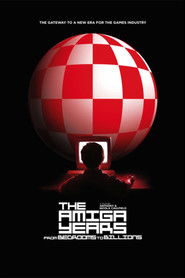
star 6.4Leviathan: The Story of Hellraiser and Hellbound: Hellraiser II is a feature length documentary uncovering the history and the making of Clive Barker's Hellraiser and Hellbound: Hellraiser II films.From Bedrooms to Billions: The Amiga Years
2016
star 7.3A feature documentary that explores the influence of the Commodore Amiga and how it took video game development, music and publishing to a whole new level and changed the video games industry forever.