Top Rated Documentary Movies on Pantaflix - Page 172
All Services
Free Services
 Netflix
 Amazon Prime Video
 Apple iTunes
 Apple TV Plus
 Disney Plus
 Google Play Movies
 Paramount Plus
 Hulu
Hulu
 HBO Max
 YouTube
 fuboTV
 Peacock
 Peacock Premium
 Amazon Video
 The Roku Channel
 AMC+
AMC on Demand
AMC+
AMC on Demand
 Kocowa
 Hoopla
 The CW
 Vudu
Vudu
 Starz
Starz
 Showtime
 PBS
PBS
 Pantaflix
 FXNow
FXNow
 Tubi TV
 Kanopy
 Comedy Central
 Crunchyroll
 Microsoft Store
 Redbox
 Sun Nxt
 ABC
ABC
 DIRECTV
 Crackle
 Fandor
 Plex
Plex
Netflix
Amazon Prime Video
Apple iTunes
Apple TV Plus
Disney Plus
Google Play Movies
Paramount Plus
Hulu
HBO Max
YouTube
fuboTV
Peacock
Peacock Premium
Amazon Video
The Roku Channel
AMC+
AMC on Demand
Kocowa
Hoopla
The CW
Vudu
Starz
Showtime
PBS
Pantaflix
FXNow
Tubi TV
Kanopy
Comedy Central
Crunchyroll
Microsoft Store
Redbox
Sun Nxt
ABC
DIRECTV
Crackle
Fandor
Plex

Sea Countrymen
1955
Sea Countrymen
1955
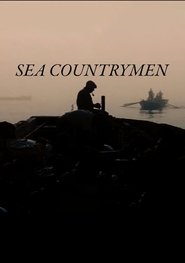
star 6Sicily, Granitola, 1955. At the first light of dawn, the fishermen set out in their boats for open water, timing the rhythm of their oars to murmured chants. They set their nets in the sea, regulate the cords, organize the boats in a square. The men’s work becomes increasingly harder as the tuna are hoisted onto the boats, wriggling, beating their tails until death arrives and the water is tinged with blood.The Halt
2000
The Halt
2000
star 5.1Trains travel through the night without stopping. The clatter of the carriages quickly disappears, along with the wail of the locomotive. The people at the station are all asleep. But why are they so exhausted ? And what are they waiting for? Set inside an isolated train depot, The Train Station is one of Sergei Loznitsa's most haunting films. It is also one of his most pointed social critiques. In this film, we are brought to a remote train station deep in the Russian woods. It's nighttime. In the distance, we hear the clatter of locomotives. The station, a small wooden building, sits silently, surrounded only by snow and train tracks.Stripped
2014
Stripped
2014
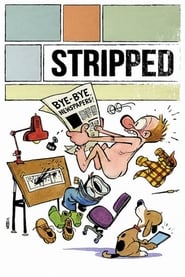
star 7.1A documentary on comic strips, with never-seen-before interviews from Bill Watterson (Calvin & Hobbes), Jim Davis (Garfield), Jeff Keane (Family Circus), Cathy Guisewite (Cathy) and dozens more. The film asks a central question: Where do comic strips go when newspapers die? Everybody loves comics, but will they survive in a digital world?The Musicians
1960
The Musicians
1960
star 5.8A documentary about a group of Warsaw tram workers who moonlight in the city orchestra at night.Filmage: The Story of Descendents/All
2013
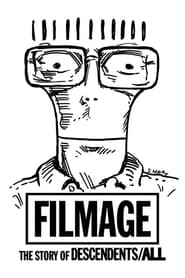
star 8Long before Green Day and Blink 182 inflicted punk-rock's puncture wound on the map of mainstream music, the Descendents were at home concocting the perfect mix of pop, angst, love, and coffee. FILMAGE: The Story of DESCENDENTS/ALL follows drummer/square-peg Bill Stevenson and his 'caffeinated retardedness' as he pushes his rotating door of bandmates to 'achieve ALL,' his philosophy of going for greatness at all costs. Stevenson is a force to be reckoned with--not even grapefruit-sized brain tumors can keep him down.Vietnam in HD
2011
Vietnam in HD
2011
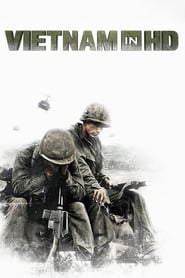
star 7Vietnam in HD is a 6-part series that immerses viewers in the sights, sounds and stories of the Vietnam War as it has never before been seen. Thousands of hours of uncensored footage--much of it shot by soldiers in action--will detail every critical chapter of the conflict. The war will unfold onscreen through the gripping firsthand accounts of 13 brave men and women who were forever changed by their experience in Vietnam.The Battle of the Sexes
2013
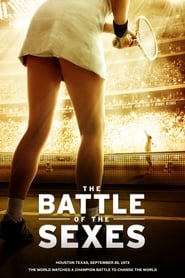
star 6.3Tennis star and women’s rights activist Billie Jean King won a total of 12 Grand Slam titles, but the biggest match of her career took place in 1973 against former men’s champion Bobby Riggs, a self-proclaimed male chauvinist pig who declared that, even at the age of 55, he could beat any woman in the world.Code Black
2014
Code Black
2014
star 6.8Code Black follows a team of young, idealistic and energetic ER doctors during the transition from the old to the new L.A. County as they try to avoid burnout and improve patient care. Why do they persist, despite being under siege by rules, regulations and paperwork?Titanic: 100 Years On
2012
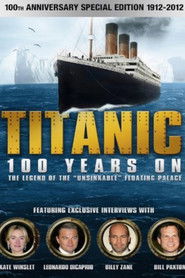
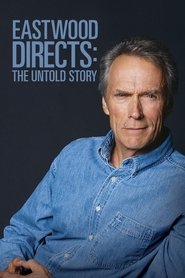
star 6.6The "unsinkable" floating palace set sail from Southampton on 10th April 1912 on her maiden voyage to New York. An iceberg ended this monumental journey 5 days later. Only 705 of the passengers and crew survived. This program features an exclusive look at the Sea City Museum Titanic Exhibit in Southampton, interviews from both survivors and the cast of the blockbuster film.Eastwood Directs: The Untold Story
2013
star 5.9With a focus on Clint Eastwood's career as a director, this documentary features movie clips, behind-the-scenes footage, interviews with people with whom he has worked, as well as comments from Clint Eastwood himself.Place du Pont
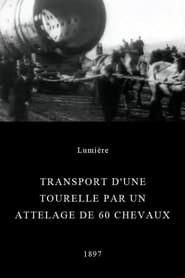
1897
Transport of a Turret by a Team of 60 Horses
1897
star 5.3A very heavy turret is transported on a truck drawn by a long line of horses. The inscription “Charlemagne 53790K” readable on the turret suggests that this view was shot in the vicinity of Saint-Chamond, a town where there are factories specializing in the construction of heavy steel. It is certainly a turret intended for the battleship “Charlemagne”. In addition, a view projected by the Aléthorama on January 20, 1898 in Saint-Étienne, and entitled “Transportation of the armored turret of Saint-Chamond by a team of 80 horses”, could represent the same event.The Shout
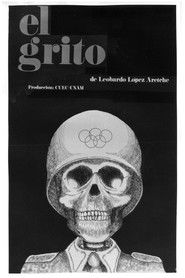
1968
The Shout
1968
star 6.9In the summer of revolt 1968, student Leobardo López Aretche captured the protests in Mexico City, and the state’s brutal response, up close – and like many of his subjects and fellow comrades, would pay a high price for his audacity. Fifty years later, his movie is no longer a secret.Komisches Reck
1895
The Bridge
1928
The Bridge
1928
star 6.3The Hefbrug may not be a remarkably beautiful bridge, but through a mix of close-ups, long shots, bird’s eye views and low angles, Joris Ivens conveys a sense of the bridge’s structure, its intricate mechanisms and ways of operating, the way it fits into the overall transport infrastructure and therefore the immense importance of this bridge for the whole city of Rotterdam.Nymphlight
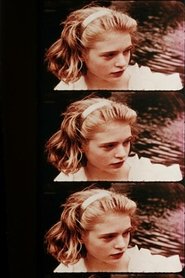
1957
Nymphlight
1957
star 5.4A short, avant-garde movie, starring twelve-year-old ballet student Gwen Thomas, Nymphlight is a lovely blend of fact and fiction, using Bryant Park at the New York Public Library as a stage set for the fantasy inclusion of a certain nymph. A meditation on an ephemeral day in the the life of a park shared by birds, the young and the old.Sunday in Peking
1956
Sunday in Peking
1956
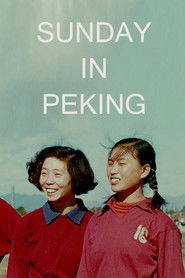
star 6.3Chris Marker’s travel essay Sunday in Peking transforms a long-held childhood dream into a cinematic journey through Beijing. Blending documentary observation with reflective narration, Marker captures the city’s rhythms, traditions, and everyday life in mid-1950s China with his signature curiosity and lyricism.Jungle Cat
1960
Jungle Cat
1960
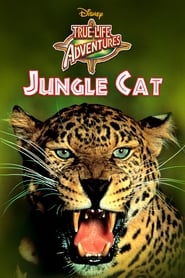
star 7.3This final True-Life Adventure would also appear to be one of the best, as we go into the South American jungle to observe the jaguar. Jungle Cat is more intimate than its kin, allowing individual animal characters to be developed. Central to the cast is a pair of jaguars (one ebony), whose fighting leads to love and, not long after, two babies (one resembling each parent).The Human Scale
2012
The Human Scale
2012
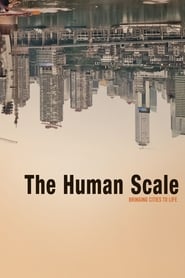
star 6.450 % of the world’s population lives in urban areas. By 2050 this will increase to 80%. Life in a mega city is both enchanting and problematic. Today we face peak oil, climate change, loneliness and severe health issues due to our way of life. But why? The Danish architect and professor Jan Gehl has studied human behavior in cities through 40 years. He has documented how modern cities repel human interaction, and argues that we can build cities in a way, which takes human needs for inclusion and intimacy into account.Fatima's Coochee-Coochee Dance
1896
star 4.8The dancer Fatima, well-known for her dancing shows at the World's Exhibition in 1893, performs for the camera. She opens her act by twirling around a few times, and then she does the 'muscle dance' for which she had attracted considerable notoriety.