Top Rated Documentary Movies on Pantaflix - Page 190
All Services
Free Services
 Netflix
 Amazon Prime Video
 Apple iTunes
 Apple TV Plus
 Disney Plus
 Google Play Movies
 Paramount Plus
 Hulu
Hulu
 HBO Max
 YouTube
 fuboTV
 Peacock
 Peacock Premium
 Amazon Video
 The Roku Channel
 AMC+
AMC on Demand
AMC+
AMC on Demand
 Kocowa
 Hoopla
 The CW
 Vudu
Vudu
 Starz
Starz
 Showtime
 PBS
PBS
 Pantaflix
 FXNow
FXNow
 Tubi TV
 Kanopy
 Comedy Central
 Crunchyroll
 Microsoft Store
 Redbox
 Sun Nxt
 ABC
ABC
 DIRECTV
 Crackle
 Fandor
 Plex
Plex
Netflix
Amazon Prime Video
Apple iTunes
Apple TV Plus
Disney Plus
Google Play Movies
Paramount Plus
Hulu
HBO Max
YouTube
fuboTV
Peacock
Peacock Premium
Amazon Video
The Roku Channel
AMC+
AMC on Demand
Kocowa
Hoopla
The CW
Vudu
Starz
Showtime
PBS
Pantaflix
FXNow
Tubi TV
Kanopy
Comedy Central
Crunchyroll
Microsoft Store
Redbox
Sun Nxt
ABC
DIRECTV
Crackle
Fandor
Plex

On the Bride’s Side
2014
On the Bride’s Side
2014
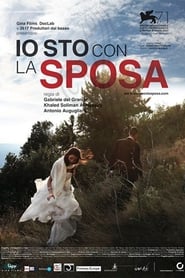
star 7A Palestinian poet and an Italian journalist meet five Palestinians and Syrians in Milan who entered Europe via the Italian island of Lampedusa after fleeing the war in Syria. They decide to help them complete their journey to Sweden, and hopefully avoid getting themselves arrested as traffickers, by faking a wedding. With a Palestinian friend dressed up as the bride and a dozen or so Italian and Syrian friends as wedding guests, they cross halfway over Europe on a four-day journey of three thousand kilometres.Blackadder Rides Again
2008
star 7.5This documentary marks the 25th anniversary since the first transmission of The Black Adder in 1983 and reunites the iconic cast to give their opinions on all series and specials. Narrated by John Sergeant, this in-depth guide includes interviews from the cast and crew, a clip from the pilot episode, clips from all four series and the specials, opinions about certain moments in the show, and much more. With interviews by Rowan Atkinson, writers Richard Curtis and Ben Elton, Stephen Fry, Hugh Laurie, producer John Lloyd, Miriam Margolyes, Rik Mayall, Tim McInnerny, Miranda Richardson, Tony Robinson and editor Chris Wadsworth.Patton Oswalt: Tragedy Plus Comedy Equals Time
2014
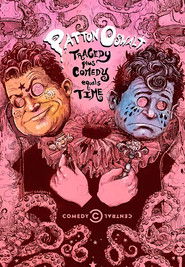
star 6.8Performing for a packed house at Spreckels Theater in San Diego, comedian Patton Oswalt delivers a blistering stand-up set in his trademark blend of acerbic wit and unabashed silliness. His topics include a wide array of modern issues, from the future of our nation to daddy/daughter outings gone wrong.Derren Brown: The Great Art Robbery
2013
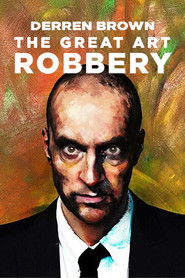
star 6.5In this brand new episode, master illusionist and showman Derren Brown plans to pull off the perfect crime. He’s bet renowned art collector Ivan Massow that he can steal a painting from right under his nose. In true Derren style, he will tell Ivan exactly which painting he plans to target – a work by Turner-nominated British brothers Jake and Dinos Chapman no less – as well as what time the theft will happen. He’ll even give him a photograph of the person that’s going to take it.Through the Eyes of Forrest Gump
1994
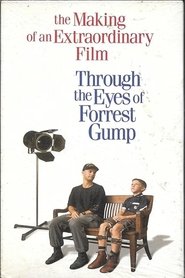
star 7.5A look behind the scenes of Robert Zemeckis' 1994 Oscar-winning film, 'Forrest Gump'.My Class
2013
My Class
2013
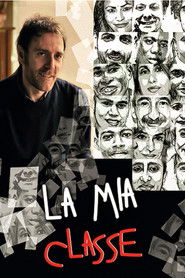
star 7.3The ostensibly simple story of a sympathetic veteran teacher giving Italian lessons to a weekly class of diverse immigrants is given infinitely more depth and complexity by the manner in which director Daniele Gaglianone renders his story. Blurring the lines between fact and fiction, truth and artifice, and between documentary and drama, Gaglianone has created a film within a film. You see the apparent artifice of Gaglianone’s crew using professionals, including the noted film actor Valerio Mastandrea as the teacher, interlinked with ‘real’ immigrant protagonists, studying the language to improve their chances of employment and of gaining a permanent residence permit. Thus in the course of the lessons there is simultaneously the painful and upsetting relation of the students’ personal stories but also humour, as they interact and share their humanity, bridging cultural differences, united in their striving to make a better life for themselves. (Source: LFF programme)Miley: The Movement
2013
Miley: The Movement
2013
star 8.2In this one-hour documentary, superstar Miley Cyrus allows unprecedented access into her extraordinary life as she rises to the challenge of presenting a new and sometimes controversial persona to the public. As a teenage star, Miley amassed millions of passionate international fans who followed her every move. Three years later, she attempts to shed her previous image while embracing music full time. Whether in the studio, at a performance, or on the set of her latest music video, Miley exudes the confidence of a creative young woman in a period of radical self-discovery who still inspires legions of admirers while confronting her critics. Ultimately, the film is an intimate portrait that captures Miley's exuberantand spirited life, her evolving identity, and her exciting transformation into amusic icon.Intervals
1973
Intervals
1973
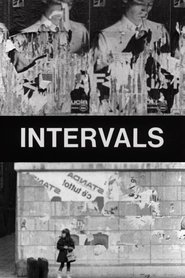
star 5.5A short film which has its emphasis on back street walls with peeling posters and the constant pedestrian traffic in the foreground. It has a static camera positioned in front of the walls; experimental editing techniques, no dialogue-just background music, and quick edits of blackness throughout.A Spell to Ward Off the Darkness
2013
star 6.2A man at three disparate moments in his life: as a member of a fifteen-person collective on a small Estonian island, alone in the wilderness of Northern Finland and as the singer of a neo-pagan black metal band in Norway. Three moments for a radical proposition for the creation of utopia in the present.Arabesque for Kenneth Anger
1961
star 5.7Filmed at the Alhambra in Spain in just one day, according to Marie Menken. Arabesque for Kenneth Anger concentrates on visual details found in Moorish architecture and in ancient Spanish tile. The date 1961 refers to the addition of Teiji Ito's soundtrack and its subsequent completion, but the film was likely shot in 1960 or earlier. - David LewisOur Vinyl Weighs a Ton: This Is Stones Throw Records
2013
star 7.1Under the direction of founder and world-renowned DJ Peanut Butter Wolf, Stones Throw Records has consistently released critically acclaimed, left-of-center albums since its founding in 1996. Drawing on live concert footage, never-before-seen archival material, inner-circle home video and photographs and in-depth interviews with the folks who put Stones Throw on the map, this documentary will delve deeper into the label's enigmatic artists, history, culture and global following.Panorama of Eiffel Tower
1900
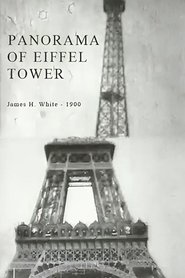
star 5.6“Showing the entire height of this wonderful structure from the base of the dome and return, with the great Paris Exposition in the background, looking down Champs de Mars. A most realistic picture.” According to Edison film historian Charles Musser, this film features the first camera tilt among the company's surviving oeuvre.Kamarinskaja
1895
Kamarinskaja
1895
star 4.3Three dancers do a Russian folkloric step dance, facing the camera, in traditional clothes, fur hats and leather boots.Der Jongleur
1895
Der Jongleur
1895
star 4.9A man performs tricks on a theatre stage with a bowler hat and a billiards ball in equilibrium on his arms and body.Skyscraper Symphony
1929
Skyscraper Symphony
1929
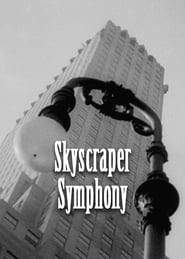
star 5.8A montage of the skyscrapers of Manhattan opens with a succession of stationary views of the upper portions of numerous buildings. This is followed by a wide variety of fluid shots, which also begin to show more and more of the surrounding city, in addition to the skyscrapers themselves.The Fall of the Romanov Dynasty
1927
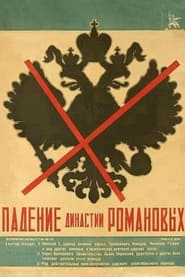
star 6.2A compilation of newsreels shot between 1913 and 1917 - the years leading up to the Russian Revolution.Elsa the Rose
1966
Elsa the Rose
1966
star 6.1Images and poems of the celebrated couple Louis Aragon and Elsa Triolet. Elsa’s youth as recalled by Aragon, with commentary by Elsa.The Trials of Muhammad Ali
2013
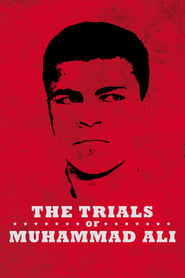
star 7.1Brash boxer Cassius Clay burst into the American consciousness in the early 1960s, just ahead of the Civil Rights movement. His transformation into the spiritually enlightened heavyweight champion Muhammad Ali is legendary, but this religious awakening also led to a bitter legal battle with the U.S. government after he refused to serve in the Vietnam War. This film reveals the perfect storm of race, religion and politics that shaped one of the most recognizable figures in sports history.Spin
1995
Spin
1995
star 7Pirated satellite feeds revealing U.S. media personalities’ contempt for their viewers come full circle in Spin. TV out-takes appropriated from network satellite feeds unravel the tightly-spun fabric of television—a system that silences public debate and enforces the exclusion of anyone outside the pack of journalists, politicians, spin doctors, and televangelists who manufacture the news. Spin moves through the L.A. riots and the floating TV talk-show called the 1992 U.S. presidential election.