Top Rated Documentary Movies on Pantaflix - Page 229
All Services
Free Services
 Netflix
 Amazon Prime Video
 Apple iTunes
 Apple TV Plus
 Disney Plus
 Google Play Movies
 Paramount Plus
 Hulu
Hulu
 HBO Max
 YouTube
 fuboTV
 Peacock
 Peacock Premium
 Amazon Video
 The Roku Channel
 AMC+
AMC on Demand
AMC+
AMC on Demand
 Kocowa
 Hoopla
 The CW
 Vudu
Vudu
 Starz
Starz
 Showtime
 PBS
PBS
 Pantaflix
 FXNow
FXNow
 Tubi TV
 Kanopy
 Comedy Central
 Crunchyroll
 Microsoft Store
 Redbox
 Sun Nxt
 ABC
ABC
 DIRECTV
 Crackle
 Fandor
 Plex
Plex
Netflix
Amazon Prime Video
Apple iTunes
Apple TV Plus
Disney Plus
Google Play Movies
Paramount Plus
Hulu
HBO Max
YouTube
fuboTV
Peacock
Peacock Premium
Amazon Video
The Roku Channel
AMC+
AMC on Demand
Kocowa
Hoopla
The CW
Vudu
Starz
Showtime
PBS
Pantaflix
FXNow
Tubi TV
Kanopy
Comedy Central
Crunchyroll
Microsoft Store
Redbox
Sun Nxt
ABC
DIRECTV
Crackle
Fandor
Plex

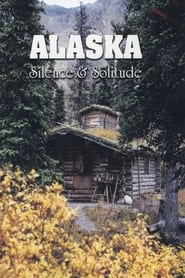
Alaska: Silence & Solitude
2005
star 6.5Alaska Silence & Solitude is the follow up to Alone in the Wilderness, filmed 20 years later. Bob Swerer and Bob Swerer Sr. visit Dick Proenneke at his famous cabin on Twin Lakes where the wildlife is still abundant and the scenery is spectacular.Bricol'girls
1999
Bricol'girls
1999
star 4.5DIY lesson for Dummies, by Dummies and given by Suzanne, Camille and Elena, all commented by Alain Chabat.The White Planet
2006
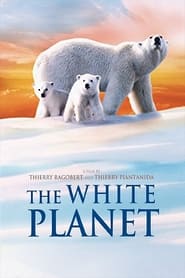
The White Planet
2006
star 6.4The White Planet or in French, La Planète Blanche, is a 2006 documentary about the wildlife of the Arctic. It shows interactions between marine animals, birds and land animals, especially the polar bear, over a one year period. The fragility of the Arctic is hinted at as a reason to prevent climate change. It was nominated for the Documentary category in the 27th Genie Awards in 2007.The Laughing Man
1966
The Laughing Man
1966
star 6.8Posing as West German journalists, East German documentary filmmakers Heynowski and Scheumann pay a visit to the notorious Nazi-turned-mercenary Siegfried “Kongo” Müller, pump him with booze, and get him to talk about his life and war campaigns in Africa.The Secret Glory
2001
The Secret Glory
2001
star 5.6A British-produced documentary about the bizarre life of Nazi SS officer Otto Rahn, focused on his search for the mystical Holy Grail of Christ.A Film Like Any Other
1968
star 6.7An analysis of the social upheaval of May 1968, made in the immediate wake of the workers’ and students’ protests. The picture consists of two parts, each with with identical image tracks, and differing narration.Handicapped Future
1971
Handicapped Future
1971
star 6.8A documentary by Werner Herzog exploring the different treatment accorded to the disabled in Germany and the USA.New York Doll
2005
New York Doll
2005
star 6.8A recovering alcoholic and recently converted Mormon, Arthur "Killer" Kane, of the rock band The New York Dolls, is given a chance at reuniting with his band after 30 years.The Fearless Freaks
2005
The Fearless Freaks
2005
star 7Equal parts punk and psychedelia, the Flaming Lips emerged from Oklahoma City as one of the most bracing bands of the late 1980s. The Fearless Freaks documents their rise from Butthole Surfers-imitating noisemakers to grand poobahs of orchestral pop masterpieces. Filmmaker Bradley Beesely had the good fortune of living in the same neighborhood as lead Lip Wayne Coyne, who quickly enlisted his buddy to document his band's many concerts and assorted exploits. The early footage is a riot, with tragic hair styles on proud display as the boys attempt to cover up their lack of natural talent with sheer volume. During one show, they even have a friend bring a motorcycle on stage, which is then miked for sound and revved throughout the performance, clearing the club with toxic levels of carbon monoxide. Great punk rock stuff. Interspersed among the live bits are interviews with the band's family and friends, revealing the often tragic circumstances of their childhoods and early career.Fidel: The Untold Story
2001
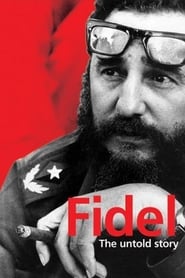
star 6.7Documentary about Fidel Castro, covering 40 years of Cuban Revolution. Rare Fidel Castro footage: he appears swimming with a bodyguard, visiting his childhood home and school, playing with his friend Nelson Mandela, meeting kid Elián Gonzalez, and celebrating his birthday with the Buena Vista Social Club group.2Everything2Terrible2: Tokyo Drift
2010
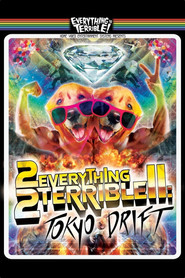
star 6.1The team of smart-talkin' toddlers known as Everything Is Terrible! have once again emerged from their VHS cocoons to conjure a jam on culture so culture-jamtastic that we're sorry we can't be there to hold your hand as you watch in dazed amazement. Thousands of hours of brain-boiling footage have been concentrated into an impenetrable jewel of an experience, teach us once and for all that loving well is the best revenge.Katt Williams: Pimpadelic
2009
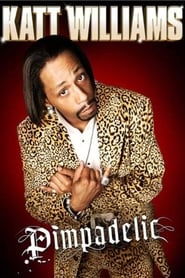
star 6.4Comedian Katt Williams talks intimately about his family, career, god, his future and the state of the comedy businessPhantom of the Opera: Behind the Mask
2006
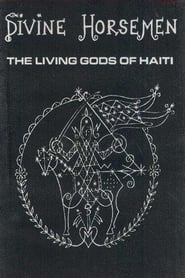
star 5.6This made-for-television documentary tells the story of the creation of the world's most successful musical, Andrew Lloyd Webber’s The Phantom of the Opera.Divine Horsemen: The Living Gods of Haiti
1993
star 6.2This intimate ethnographic study of Voudoun dances and rituals was shot by Maya Deren during her years in Haiti (1947-1951); she never edited the footage, so this “finished” version was made by Teiji Ito and Cherel Ito after Deren’s death.Ghosts of Cité Soleil
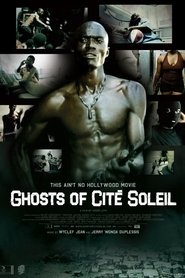
2006
star 7.1In the slum of Cité Soleil, President Aristide's most loyal supporters were ruling as kings. The five major gang leaders were controlling heavily armed young men; the Chiméres. The Secret army of President Jean-Bertrand Aristide. "Ghosts of Cité Soleil" is a film about Billy and Haitian 2pac. Two brothers. Gang Leaders of the Chiméres.The Vagina Monologues
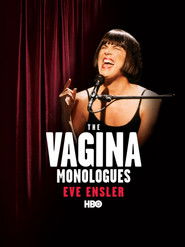
2002
star 5.7This controversial work, created and performed by Eve Ensler, debuted off-off-Broadway in 1996 and soon rode a wave of national acclaim. Now, the intimacy of Ensler's original show has been lovingly brought to the screen. Capturing her unique performance, the film also follows Ensler as she explores the creative impetus behind the monologues and conducts a series of new interviews as inspiring as those that brought about the original workThe Smashing Machine
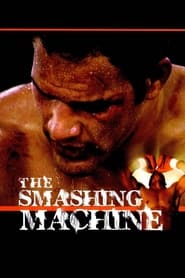
2002
The Smashing Machine
2002
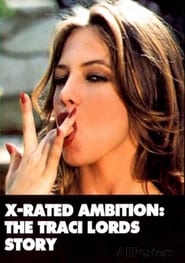
star 7An unflinching look at the life and story of Mark Kerr between 1999 and 2001, an intelligent, articulate, and emotionally vulnerable athlete, considered by many at the time to be the most dominant ultimate fighter in the world. A former Olympic wrestler, Kerr easily dominated all his opponents, earning him the nickname "The Smashing Machine." With the promise of big money and the euphoria of his early victories, Kerr must battle his injuries and inner fears. The shock of these fights takes a heavy toll on his body and mind, and Kerr attempts to overcome these physical and psychological traumas by turning to painkillers. Kerr's addiction is shown in its raw form, with the camera capturing him desperately soliciting drugs from friends and staff, and injecting painkillers into his veins. His shocking defeat to Fujita in Japan shows us a story that is sometimes difficult and heartbreaking to watch.X-Rated Ambition: The Traci Lords Story
2003
star 5.1A documentary about Traci Lords, one of the most popular American porn stars of the 1980s, who almost brought down the industry when it was discovered that she had been under 18 years old.Urgh! A Music War
1981
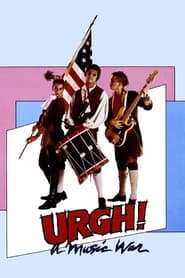
Urgh! A Music War
1981
star 7.3Urgh! A Music War is a British film released in 1982 featuring performances by punk rock, new wave, and post-punk acts, filmed in 1980. Among the artists featured in the movie are Orchestral Manoeuvres in the Dark (OMD), Magazine, The Go-Go's, Toyah Willcox, The Fleshtones, Joan Jett & the Blackhearts, X, XTC, Devo, The Cramps, Oingo Boingo, Dead Kennedys, Gary Numan, Klaus Nomi, Wall of Voodoo, Pere Ubu, Steel Pulse, Surf Punks, 999, UB40, Echo & the Bunnymen and The Police. These were many of the most popular groups on the New Wave scene; in keeping with the spirit of the scene, the film also features several less famous acts, and one completely obscure group, Invisible Sex, in what appears to be their only public performance.Gimme Some Truth: The Making of John Lennon's Imagine Album
2000
star 7.6An instant classic when released in September 1971, John Lennon's Imagine was the ex-Beatle's solo masterpiece, and its musical legacy is matched here by priceless footage of Lennon's creative process, independently edited from original 16-millimeter footage by producer-director Andrew Solt with the hands-off approval of Lennon's widow, Yoko Ono. Incorporating footage from John and Yoko's original film Imagine (clips of which were previously included in the 1988 documentary Imagine: John Lennon), Gimme Some Truth presents Lennon, Ono, coproducer Phil Spector, and a host of gifted musicians in a fluid context of conflict, community, and craftsmanship. Bearing witness to every stage of the recording process, this 63-minute documentary succeeds as a visual diary, a study of familiar music in its infancy, and a revealing portrait of the then-30-year-old Lennon--from witty clown to confrontational perfectionist--at the peak of his post-Fab Four inspiration.