Top Rated Documentary Movies on Pantaflix - Page 244
All Services
Free Services
 Netflix
 Amazon Prime Video
 Apple iTunes
 Apple TV Plus
 Disney Plus
 Google Play Movies
 Paramount Plus
 Hulu
Hulu
 HBO Max
 YouTube
 fuboTV
 Peacock
 Peacock Premium
 Amazon Video
 The Roku Channel
 AMC+
AMC on Demand
AMC+
AMC on Demand
 Kocowa
 Hoopla
 The CW
 Vudu
Vudu
 Starz
Starz
 Showtime
 PBS
PBS
 Pantaflix
 FXNow
FXNow
 Tubi TV
 Kanopy
 Comedy Central
 Crunchyroll
 Microsoft Store
 Redbox
 Sun Nxt
 ABC
ABC
 DIRECTV
 Crackle
 Fandor
 Plex
Plex
Netflix
Amazon Prime Video
Apple iTunes
Apple TV Plus
Disney Plus
Google Play Movies
Paramount Plus
Hulu
HBO Max
YouTube
fuboTV
Peacock
Peacock Premium
Amazon Video
The Roku Channel
AMC+
AMC on Demand
Kocowa
Hoopla
The CW
Vudu
Starz
Showtime
PBS
Pantaflix
FXNow
Tubi TV
Kanopy
Comedy Central
Crunchyroll
Microsoft Store
Redbox
Sun Nxt
ABC
DIRECTV
Crackle
Fandor
Plex

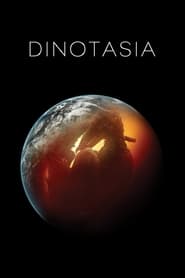
Dinotasia
2012
Dinotasia
2012
star 5.5Computer-generated animation about the daily lives of dinosaurs, narrated by Werner Herzog.All the Love You Cannes!
2002
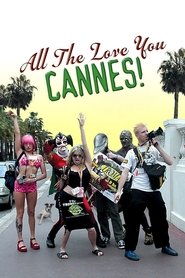
star 6.4Known for what must be the cheapest and cheesiest of the indie film world, Troma films takes on Cannes with gallons of fake blood, the Tronettes, and numerous hijinks by an uncontrollable group of volunteer Troma fans, costumed, naked, and did I mention covered with blood? While any publicity is good publicity, the low budget Troma films must wonder what this will do to their reputation. And I think they're thinking, woohoo!Eurocrime! The Italian Cop and Gangster Films That Ruled the '70s
2012
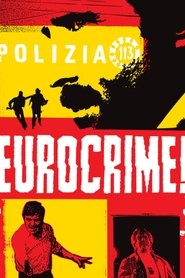
star 7.7A documentary concerning the violent Italian 'poliziotteschi' cinematic movement of the 1970s which, at first glance, seem to be rip-offs of American crime films like DIRTY HARRY or THE GODFATHER, but which really address Italian issues like the Sicilian Mafia and red terrorism. Perhaps even more interesting than the films themselves were the rushed methods of production (stars performing their own stunts, stealing shots, no live sound) and the bleed-over between real-life crime and movie crime.Anna
1975
Anna
1975
star 6.7A documentary ostensibly about Anna, a young drug addict taken off the streets by one of the filmmakers. Through her they attempt to explore the social issues from their hippie perspective, instead they create a revealing, uncomfortable self-portrait and inadvertently raise questions about documentary film-making.Ban the Sadist Videos! Part 2
2006
star 6.5An investigation of UK video censorship after the video recordings act was introduced.Deseret
1996
Deseret
1996
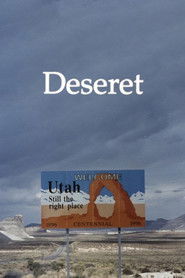
star 5.4This is multifaceted look at the landscape and history of Utah (or Deseret, as the Mormon Church prefers to call it). Benning condenses 93 news stories from the New York Times from 1852 to 1992 (read offscreen by Fred Gardner) and sets them against contemporary Utah landscapes, the shots changing with each sentence.World Without Sun
1964
World Without Sun
1964
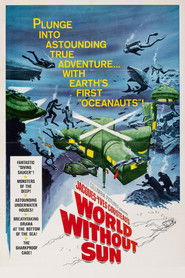
star 6.4Fascinating underwater documentary filmed with hand-held cameras by frogmen and mostly filmed in deep-water seas from within a special designed batiscaff, by the Cousteau family of sea explorers. Preserved by the Academy Film Archive in 2010.The English Surgeon
2007
The English Surgeon
2007
star 7.9This documentary offers a glimpse into the life of an English neurosurgeon, Henry Marsh, situated in Ukraine, as we are exposed to the overwhelming dilemmas he has to face and the burden he has to carry throughout his profession.Paul Simon: Under African Skies
2012
star 7.1Paul Simon returns to South Africa to explore the incredible journey of his historic Graceland album, including the political backlash he received for allegedly breaking the UN cultural boycott of South Africa designed to end the Apartheid regime. On the 25th anniversary of Paul Simon's GRACELAND, acclaimed documentary filmmaker Joe Berlinger offers a glimpse at the controversy surrounding the decision to record the album in South Africa despite a UN boycott of the nation, which was aimed at ending apartheid. In the run-up to an eagerly anticipated reunion concert, Simon, Quincy Jones, Peter Gabriel, David Byrne, Harry Belafonte, Paul McCartney and others reflect on the decision to record with local artists in South Africa, and the cultural impact of the album that delivered such hits as "I Know What I Know" and "You Can Call Me Al."Classic Albums: Queen - The Making of A Night at the Opera
2006
star 6.5If ever there was an album worthy of inclusion in Eagle Vision’s Classic Albums series it is Queen’s breakout release A Night At The Opera. Released in 1975, this was not only the band’s first platinum album, but also the one that catapulted them into the spotlight as one of the biggest rock acts in the world. Now for the first time, fans are offered an in-depth look at one of rock music’s seminal records.Spine Tingler! The William Castle Story
2007
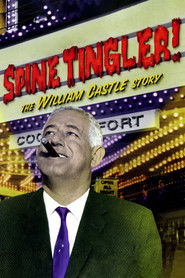
star 7.8Chronicles the last great American showman, filmmaker William Castle, a master of ballyhoo who became a brand name in movie horror with his outrageous audience participation gimmicks.Classic Albums: Bob Marley & the Wailers - Catch a Fire
2000
star 6.5The Wailers, featuring the legendary Bob Marley, Peter Tosh and Bunny Wailer, became the most influential band in the history of Reggae music. "Catch a Fire," their first Island album, released in 1973, introduced them to an international rock audience. The principal figures in the creation of the album tell the story of how this record was designed to "cross-over." The program features a unique interview and performance with Bunny Wailer, rare archive interviews with Bob Marley and Peter Tosh and contributions in words and music from many of those who performed, Rare home movies of the Wailers in Jamaica, unseen footage lots more.Sarı Zeybek
1993
Sarı Zeybek
1993
star 7From the famous Turkish journalist, Can Dündar narrates the last 300 days of Mustafa Kemal Atatürk. The documentary features the stories and mails from the friends of Atatürk who is the founder of Turkish Republic and also led the Turkish army in the Turkish War of IndependenceNotebook on Cities and Clothes
1989
star 6.4Wim Wenders talks with Japanese fashion designer Yohji Yamamoto about the creative process and ponders the relationship between cities, identity and the cinema in the digital age.It's All True
1993
It's All True
1993
star 7.6A documentary about Orson Welles's unfinished three-part film about South America.Vinicius de Moraes
2005
Vinicius de Moraes
2005
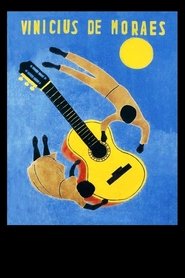
star 6.2To celebrate the life and the work of a multifaceted creator – playwright, poet, partner of the most important names of Brazilian pop music and, above all, an enlightened character of the Brazilian cultural history - director Miguel Faria Jr. gathered an incomparable cast of partners, singers, friends and rare images from the archives recalling Vinícius’ genial simplicity, with the spontaneity, the humor, and the freedom of a person chatting over a bar table, exactly how the eternal Vinícius would enjoy.Shinjuku Boys
1995
Shinjuku Boys
1995
star 6.7This documentary is set in the New Marilyn night club in Tokyo, Japan - where the hosts are transgender men. They can only make their living as hosts in a nightclub with other wannabes like them. The young women who come there often have relationships with them but the underlying fear is whether such a relationship can withstand the pressures on a girl to get married and have children. All three boys deal with this in different ways. These three hosts, the Shinjuku Boys, take us into their lives.Visions of Eight
1973
Visions of Eight
1973
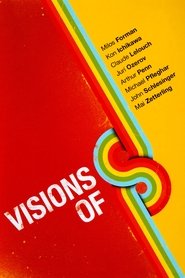
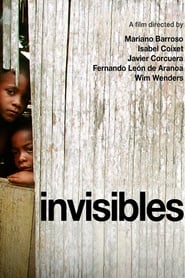
star 7Eight acclaimed filmmakers bring their unique and differing perspectives to the 1972 Summer Olympic Games held in Munich. The segments include Lelouch's take on Olympic losers and their struggle to remain dignified even in the face of bitter disappointment and defeat; Zetterling's dramatic exploration of the world of weightlifting; and Pfleghar's piece on young Russian gymnast Ludmilla Tourischev's majestic performance on the uneven bars.Invisibles
2007
Invisibles
2007
star 4.8A series of short films examining the world's overlooked problems and the people who suffer from them.What Is Brazil?
2008
What Is Brazil?
2008
star 6.4Rob Hedden's witty on-set documentary captures the revolutionary air that had begun to swirl around Brazil even before the controversy surrounding its U.S. release. It features footage of director Terry Gilliam; actors Michael Palin, Jonathan Pryce, and Kim Geist; screenwriters Tom Stoppard and Charles McKeown; and other key members of Brazil's cast and crew.