Top Rated Documentary Movies on Pantaflix - Page 254
All Services
Free Services
 Netflix
 Amazon Prime Video
 Apple iTunes
 Apple TV Plus
 Disney Plus
 Google Play Movies
 Paramount Plus
 Hulu
Hulu
 HBO Max
 YouTube
 fuboTV
 Peacock
 Peacock Premium
 Amazon Video
 The Roku Channel
 AMC+
AMC on Demand
AMC+
AMC on Demand
 Kocowa
 Hoopla
 The CW
 Vudu
Vudu
 Starz
Starz
 Showtime
 PBS
PBS
 Pantaflix
 FXNow
FXNow
 Tubi TV
 Kanopy
 Comedy Central
 Crunchyroll
 Microsoft Store
 Redbox
 Sun Nxt
 ABC
ABC
 DIRECTV
 Crackle
 Fandor
 Plex
Plex
Netflix
Amazon Prime Video
Apple iTunes
Apple TV Plus
Disney Plus
Google Play Movies
Paramount Plus
Hulu
HBO Max
YouTube
fuboTV
Peacock
Peacock Premium
Amazon Video
The Roku Channel
AMC+
AMC on Demand
Kocowa
Hoopla
The CW
Vudu
Starz
Showtime
PBS
Pantaflix
FXNow
Tubi TV
Kanopy
Comedy Central
Crunchyroll
Microsoft Store
Redbox
Sun Nxt
ABC
DIRECTV
Crackle
Fandor
Plex

Can We Take a Joke?
2016
Can We Take a Joke?
2016
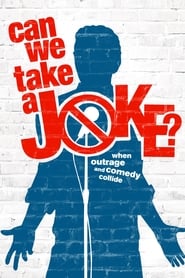
star 6.7In the age of social media, nearly every day brings a new eruption of outrage. While people have always found something to be offended by, their ability to organize a groundswell of opposition to – and public censure of – their offender has never been more powerful. Today we're all one clumsy joke away from public ruin. Can We Take A Joke? offers a thought-provoking and wry exploration of outrage culture through the lens of stand-up comedy, with notables like Gilbert Gottfried, Penn Jillette, Lisa Lampanelli, and Adam Carolla detailing its stifling impact on comedy and the exchange of ideas. What will the future will be like if we can't learn how to take a joke?Les Habitants
2016
Les Habitants
2016
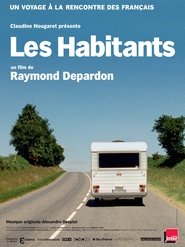
star 6.1Raymond Depardon sets out to meet French people to listen to them tell their tales. From Charleville-Mézières to Nice, Sète to Cherbourg, he invites people encountered in the street to continue their conversation in front of Depardon's camera and us, unfettered from any constraints.The Sociologist and the Bear Cub
2016
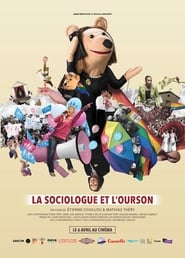
star 6.1Between September 2012 and May 2013, France is debating the upcoming marriage equality laws. During those nine months, sociologist Irène Théry talks about what is at stake with her son Mathias Théry, who will make a movie with Étienne Chaillou out of those hours of conversations. It is a documentary about the social debate in France, but also about family and intimacy.Respectable: The Mary Millington Story
2016
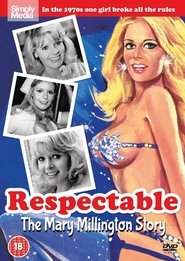
star 6.3Documentary chronicling the extraordinary life and tragic death of Mary Millington - Britain's most famous pornographic actress of the 1970s.Shadow World
2016
Shadow World
2016
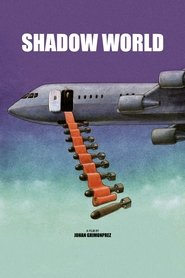
star 7.4A detailed investigation into the political and economic interests that, since the beginning of the 20th century, have pulled the strings of the arms trade, hidden in the shadows, feeding the shameful corruption of politicians and government officials and promoting a state of permanent war throughout the world, while they cynically asked for a lasting and universal peace.Marlon Brando: An Actor Named Desire
2014
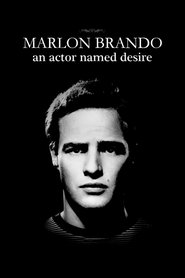
star 7.3In his early days as an actor, Marlon Brando (1924-2004) was a shy young man with theatrical ambitions, like many others; but his charisma and superb acting skills made him truly unique, so that the doors to the starry sky of Hollywood opened for him. However, his peculiar manners, political commitment and complicated love life always overshadowed his artistic success.Orange Sunshine
2016
Orange Sunshine
2016
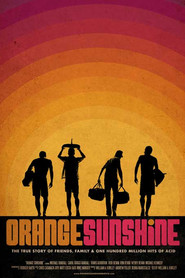
star 6.5The never-before-told story of the Brotherhood of Eternal Love – a spiritual group of surfers and hippies in Southern California that became the largest suppliers of psychedelic drugs in the world during the 1960s and early 1970s. Bonded by their dreams to fight social injustice and spread peace, this unlikely band of free-spirited idealists quickly transformed into a drug-smuggling empire and at the same time inadvertently invented the modern illegal drug trade. At the head of the Brotherhood, and the heart of this story, is the anti-capitalistic husband and wife team, who made it their mission to change the world through LSD.Maya Angelou: And Still I Rise
2016
star 8A celebration of Dr. Maya Angelou by weaving her words with rare and intimate archival photographs and videos, which paint hidden moments of her exuberant life during some of America’s most defining civil rights moments. From her upbringing in the Depression-era South to her swinging soirees with Malcolm X in Ghana to her inaugural speech for President Bill Clinton, we are given special access to interviews with Dr. Angelou whose indelible charm and quick wit make it easy to love her.Norman Lear: Just Another Version of You
2016
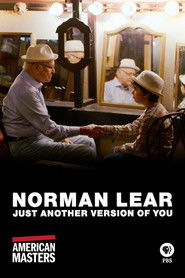
star 7.1Arguably the most influential creator, writer, and producer in the history of television, Norman Lear brought primetime into step with the times. Using comedy and indelible characters, his legendary 1970s shows such as All In the Family, Maude, Good Times, and The Jeffersons, boldly cracked open dialogue and shifted the national consciousness, injecting enlightened humanism into sociopolitical debates on race, class, creed, and feminism.Snervous Tyler Oakley
2015
star 5.1After eight years of sharing snippets of his life online, see the intimate truth of Tyler Oakley's relationship with family, followers and fame on his sold out international tour.Boom Bust Boom
2015
Boom Bust Boom
2015
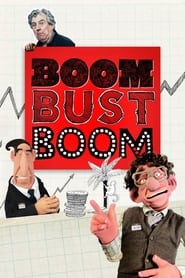
star 7.2Terry Jones presents Boom Bust Boom. The result of a meeting between writer, director, historian and Python Terry Jones and economics professor and entrepreneur Theo Kocken. Co-written by Jones and Kocken and featuring John Cusack, Nobel Prize winners Daniel Kahneman, Robert J Shiller and Paul Krugman, the film is part of a global movement to change the economic system through education to protect the world from boom and bust. A unique look at why economic crashes happen, Boom Bust Boom is a multimedia documentary combining live action with animation and puppetry to explain economics to everyone.A Family Affair
2015
A Family Affair
2015
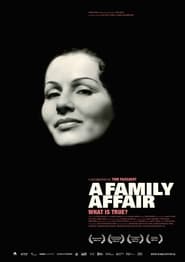
star 5.3Tom, the filmmaker, receives a letter from South Africa. His long forgotten 95-year old grandmother Mariann, asks him to come and help her with her will. Tom sets off to South Africa and decides to bring his camera. This starts a journey for the filmmaker and his grandmother, looking back at her life and trying to understand his own.The Making of 'E.T. the Extra-Terrestrial'
1996
star 7.4A behind-the-scenes documentary about the making of Steven Spielberg's 1982 film "E.T. the Extra-Terrestrial."Cinema Perverso
2015
Cinema Perverso
2015
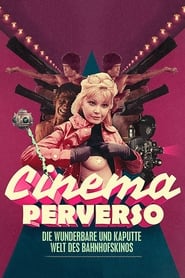
star 6.7Before there were home video formats and the internet, the “Bahnhofskinos” (“Train station cinemas”) in West Germany regularly showed trash and erotica movies. Various filmmakers and especially contemporary witnesses recount in the documentary “Cinema Perverso – the wonderful and broken world of Bahnhofskino” their experiences and impressions.1945: The Fall of the Reich
2015
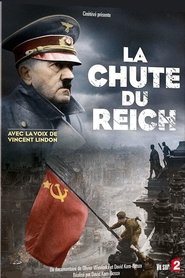
star 7.4In June 1944, optimism reigned in the Allied camp. In the West, the Normandy landings were a success. In their advance, the troops soon threatened the German border. In the East, the Red Army launched an attack. With Operation Bagration, it swept into Belarus and forced the Wehrmacht into a terrible retreat. It was a time for confidence. There was no doubt: "The war would be over before Christmas." And yet... The war dragged on for almost another year. Eleven long months of fighting, punctuated by terrible battles and atrocious war crimes. Eleven months of fear and hope, which shook the certainties of the leaders and the daily lives of the men. Eleven murderous months, which left an eternal scar on hearts and in history.Just Desserts: The Making of 'Creepshow'
2007
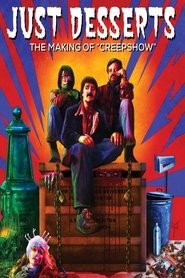
star 6.2Details the making of Stephen King & George A. Romero's 1982 horror anthology classic, from conception through to completion.Horse Shoeing
1893
Horse Shoeing
1893
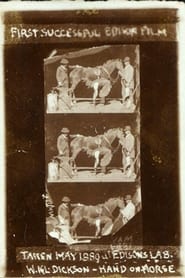
star 2.8One of the pictures to be seen in the machine, for example, was that of a blacksmith shop in which two men were working, one shoeing a horse, the other heating iron at the forge. One would be seen to drive the nail into the shoe of the horse's hoof, to change his position and every movement needed in the work was clearly shown as if the object was in real (life). In fact, the whole routine of the two men's labor and their movements for the day was presented to the view of the observer.The Confessions of Thomas Quick
2015
star 6.3A loner from an early age, Thomas Quick went on to become Sweden's most notorious serial killer, openly confessing to the gruesome murders of more than 30 people. Held for decades in a psychiatric institute, Quick's confessions emerged after years working with a group of touchy feely therapists, convinced that the recovery of memories would cure patients of their criminality. In a country with a low crime rate, the nation watched with horror as Quick's confessions mounted, accounting for many of the country's unsolved murders. With testimonials from a range of people whose lives have been dominated by this story - including Quick himself - and dramatic reenactment, Brian Hill weaves a stylish noir thriller that works a treat on the big screen. What appears at first to be a tale of unimaginable evil evolves into something much more layered as Hill digs deep into the motivations behind those working closely with Quick.The Bat, the Cat, and the Penguin
1992
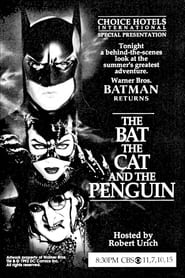
star 6.4Behind the scenes documentary about the making of Batman Returns.Capital C
2015
Capital C
2015
star 5.8CAPITAL C is the first documentary about crowdfunding. It follows the hopes and dreams as well as the fears and pitfalls of a whole new generation of independent creators, who reach out to the crowd in order to change their lives forever.