Top Rated Documentary Movies on Pantaflix - Page 324
All Services
Free Services
 Netflix
 Amazon Prime Video
 Apple iTunes
 Apple TV Plus
 Disney Plus
 Google Play Movies
 Paramount Plus
 Hulu
Hulu
 HBO Max
 YouTube
 fuboTV
 Peacock
 Peacock Premium
 Amazon Video
 The Roku Channel
 AMC+
AMC on Demand
AMC+
AMC on Demand
 Kocowa
 Hoopla
 The CW
 Vudu
Vudu
 Starz
Starz
 Showtime
 PBS
PBS
 Pantaflix
 FXNow
FXNow
 Tubi TV
 Kanopy
 Comedy Central
 Crunchyroll
 Microsoft Store
 Redbox
 Sun Nxt
 ABC
ABC
 DIRECTV
 Crackle
 Fandor
 Plex
Plex
Netflix
Amazon Prime Video
Apple iTunes
Apple TV Plus
Disney Plus
Google Play Movies
Paramount Plus
Hulu
HBO Max
YouTube
fuboTV
Peacock
Peacock Premium
Amazon Video
The Roku Channel
AMC+
AMC on Demand
Kocowa
Hoopla
The CW
Vudu
Starz
Showtime
PBS
Pantaflix
FXNow
Tubi TV
Kanopy
Comedy Central
Crunchyroll
Microsoft Store
Redbox
Sun Nxt
ABC
DIRECTV
Crackle
Fandor
Plex

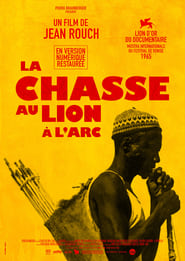
The Lion Hunters
1966
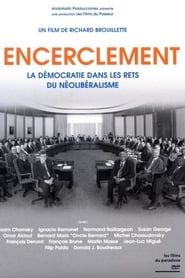
Encirclement - Neo-Liberalism Ensnares Democracy
2008
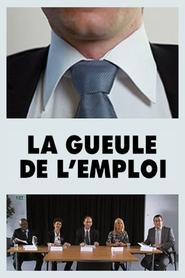
star 6.8Using the reflections and analysis of many renowned intellectuals, this documentary draws a portrait of neoliberal ideology and examines the various mechanisms used to impose its dictates throughout the world.La gueule de l'emploi
2011
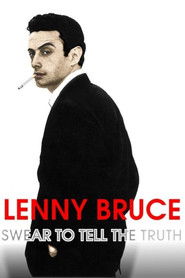
star 7.6Ten French job seekers show up for a two-day recruitment session knowing only that they’re vying for a sales position in the insurance field. Their prospective employer remains a mystery. With limited information, they’re launched into a hiring process that more closely resembles a reality TV challenge than a traditional interview.This brutal examination of entry-level recruitment sheds light on the stigma of being unemployed, the power dynamics of interviewing and the roles people play in their quest to earn a minimum wage.Lenny Bruce: Swear to Tell the Truth
1998
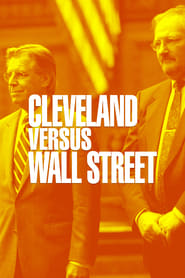
star 7.8In 1948, Lenny Bruce was just another comic who couldn't get arrested. By 1961, all that would change.Cleveland Versus Wall Street
2010
star 7.4On 11th January 2008, hired by the City of Cleveland, lawyer Josh Cohen and his team filed a lawsuit against 21 banks, which they held accountable for the wave of foreclosures that had left their city in ruins. Since then, the bankers on Wall Street have been fighting by with all available means to avoid going to court. This film is the story of that trial. A film about a trial that may never be held but in which the facts, the participants and their testimonies are all real: the judge, lawyers, witnesses, even the members of the jury - asked to give their verdict - play their own roles. Step by step, one witness after another, the film takes apart, from a plain, human perspective, the mechanisms of subprime mortgage loans, a system that sent the world economy reeling. A trial for the sake of example, a universal fable about capitalismTheirs Is the Glory
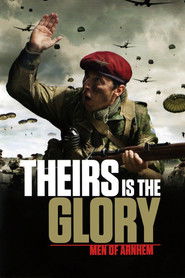
1946
Theirs Is the Glory
1946
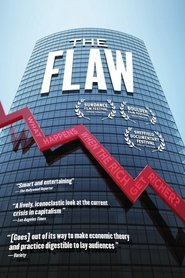
star 6.8Re-enactment of World War 2 Battle of Arnhem using the survivors from the battle.The Flaw
2011
The Flaw
2011
star 6.8The story of the credit bubble that caused the financial crash. Through interviews with some of the world's leading economists, including housing expert Robert Shiller, Nobel laureate Joseph Stiglitz, and economic historian Louis Hyman, as well as Wall Street insiders and victims of the crash including Ed Andrews - a former economics correspondent for The New York Times who found himself facing foreclosure - and Andrew Luan, once a bond trader at Deutsche Bank now running his own Wall Street tour guide business, the film presents an original and compelling account of the toxic combination of forces that nearly destroyed the world economy.108
2011
108
2011
star 7Of all my uncles, Rodolfo was the only one who didn't want to be a blacksmith like my grandfather: He wanted to be a dancer. The search for the traces of his life leads to the discovery that in the eighties in Paraguay, under Stroessner's dictatorship, Rodolfo was included in one of the "108 lists of homosexuals", arrested and tortured. Rodolfo's story reveals a part of the hidden and silenced history of my country. In "Cuchillo de palo" two generations come face to face in a confrontation that ultimately allows each of us to understand our place in the world.Becoming Chaz
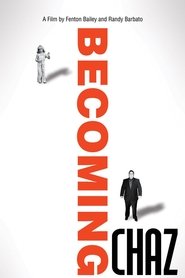
2011
Becoming Chaz
2011
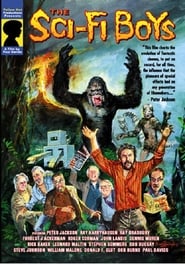
star 4.3Documentary following Chaz (formerly Chastity) Bono's gender transition. Includes interviews with family members and friends as the transition is followed.The Sci-Fi Boys
2006
The Sci-Fi Boys
2006
star 7Legendary all-stars of cinema bring to life the evolution of science-fiction and special effects films from the wild and funny days of B-movies to blockbusters that have captured the world's imagination. This is the story of the Sci-Fi Boys, who started out as kids making amateur movies inspired by Forrest J Ackerman's FAMOUS MONSTERS magazine and grew up to take Hollywood by storm, inventing the art and technology for filming anything the mind can dream.Dario Argento's World of Horror
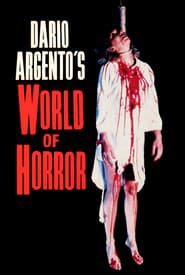
1985
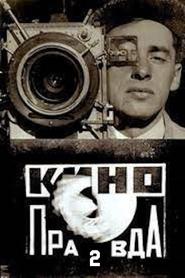
star 6.8Documentary on horror/mystery filmmaker Dario Argento. Features an in-depth interview with Argento and covers his work from 1969 to 1985.Kino-Pravda No. 2
1922
Kino-Pravda No. 2
1922
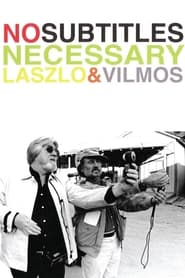
star 5.1Dziga Vertov-directed Soviet newsreel covering: The opening of an electric generating station / Trial of the Socialist Revolutionaries.No Subtitles Necessary: Laszlo & Vilmos
2009
star 5.9The artistry, triumph and lifelong friendship of the great cinematographers Laszlo Kovacs and Vilmos Zsigmond. With film school equipment, they shoot the Soviet crackdown of the 1956 Hungarian Revolution. As refugees they struggle in Hollywood, finally breaking into the mainstream with their pivotal contribution to the "American New Wave."Behind the Burly Q
2010
Behind the Burly Q
2010
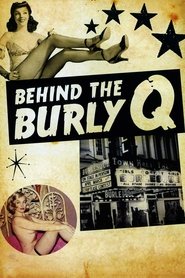
star 4.9Dive into more than a century of decadence with this tantalizing look at the evolution of burlesque. Cabaret star Leslie Zemeckis traces the art form from vaudeville-style variety show through its extinction and contemporary rebirth. Vintage photos, film clips and ads illustrate burlesque's resilient history and how the public's sexual appetite kept it alive amid moral and legal ado.Sushi: The Global Catch
2012
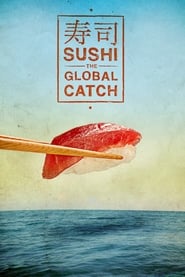
star 5.9A look at the global sushi phenomenon and how the hunger for Blue Fin Tuna is impacting the ocean's stock.Tigrero: A Film That Was Never Made
1994
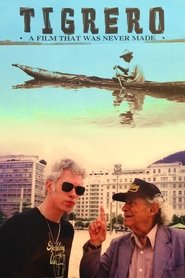
star 6.8In 1993, Sam Fuller takes Jim Jarmusch on a trip into Brazil's Mato Grosso, up the River Araguaia to the village of Santa Isabel Do Morro, where 40 years before, Zanuck had sent Fuller to scout a location and write a script for a movie based on a tigrero, a jaguar hunter. Sam hopes to find people who remember him, and he takes film he shot in 1954. He's Rip Van Winkle, and, indeed, a great deal changed in the village. There are televisions, watches, and brick houses. But, the same Karajá culture awaits as well. He gathers the villagers to show his old film footage, and people recognize friends and relatives, thanking Fuller for momentarily bringing them back to life.Thoth
2002
Thoth
2002
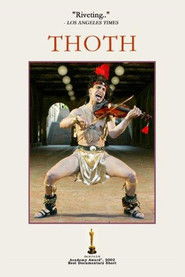
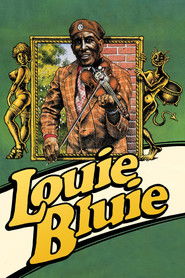
star 5.4Documentary of S.K. Thoth, a multi-ethnic street performer whose music marries cultures and blurs gender lines.Louie Bluie
1985
Louie Bluie
1985
star 7.5Crumb director Terry Zwigoff’s first film is a true treat: a documentary about the obscure country-blues musician and idiosyncratic visual artist Howard “Louie Bluie” Armstrong, member of the last known black string band in America. As beguiling a raconteur as he is a performer, Louie makes for a wildly entertaining movie subject, and Zwigoff honors him with an unsentimental but endlessly affectionate tribute. Full of infectious music and comedy, Louie Bluie is a humane evocation of the kind of pop-cultural marginalia that Zwigoff would continue to excavate in the coming years.Classic Albums: Phil Collins - Face Value
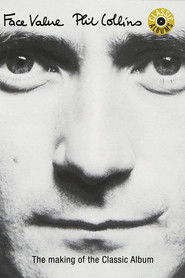
1999
star 6.9A rare and welcome insight into Phil Collins' prodigious musical talent and the fascinating story of his first solo record. Collins first enjoyed international success as the drummer of Genesis and then as lead singer after Peter Gabriel left the band. In 1981, however, Face Value launched him as a solo artist and remains, in many ways, his most exciting and unusual music offering. Face Value was immediately a worldwide hit, entering the British charts at Number 1, spending almost six years in the Top 75, and selling in excess of 12 million copies. The album went on to make the U.S. Top 10, earning a gold record. This documentary includes several previously unseen performances, as well as rare home movies, unique photographs and documents from Phil's own private archives, and insights into the music from an eclectic range of musicians who worked on the album.Autoluminescent: Rowland S. Howard
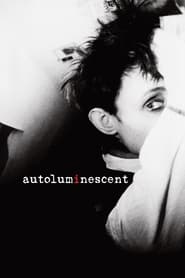
2011
star 7.5From myth to legend Rowland Howard appeared on the early Melbourne punk scene like a phantom out of Kafkaesque Prague or Bram Stoker’s Dracula. A beautifully gaunt and gothic aristocrat, the unique distinctive fury of his guitar style shot him directly into the imagination of a generation. He was impeccable, the austerity of his artistry embodied in his finely wrought form, his obscure tastes and his intelligently wry wit. He radiated a searing personal integrity that never seemed to tarnish. Despite the trials and tribulations of his career, in an age of makeover and reinvention, Rowland Howard never ‘sold out’. With recent and moving interviews, archival interviews and other fascinating and original footage, AUTOLUMINESCENT traces the life of Rowland S Howard. Capturing moments with the man himself and intimate missives from those who knew him behind closed doors; words and images etch light into what has always been the mysterious dark.