Top Rated Documentary Movies on Pantaflix - Page 375
All Services
Free Services
 Netflix
 Amazon Prime Video
 Apple iTunes
 Apple TV Plus
 Disney Plus
 Google Play Movies
 Paramount Plus
 Hulu
Hulu
 HBO Max
 YouTube
 fuboTV
 Peacock
 Peacock Premium
 Amazon Video
 The Roku Channel
 AMC+
AMC on Demand
AMC+
AMC on Demand
 Kocowa
 Hoopla
 The CW
 Vudu
Vudu
 Starz
Starz
 Showtime
 PBS
PBS
 Pantaflix
 FXNow
FXNow
 Tubi TV
 Kanopy
 Comedy Central
 Crunchyroll
 Microsoft Store
 Redbox
 Sun Nxt
 ABC
ABC
 DIRECTV
 Crackle
 Fandor
 Plex
Plex
Netflix
Amazon Prime Video
Apple iTunes
Apple TV Plus
Disney Plus
Google Play Movies
Paramount Plus
Hulu
HBO Max
YouTube
fuboTV
Peacock
Peacock Premium
Amazon Video
The Roku Channel
AMC+
AMC on Demand
Kocowa
Hoopla
The CW
Vudu
Starz
Showtime
PBS
Pantaflix
FXNow
Tubi TV
Kanopy
Comedy Central
Crunchyroll
Microsoft Store
Redbox
Sun Nxt
ABC
DIRECTV
Crackle
Fandor
Plex

Impression of a War
2015
Impression of a War
2015
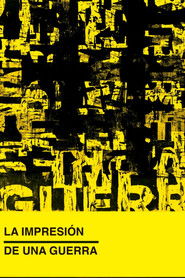
star 5.9For over 70 years Colombia has been subject to an internal armed conflict whose demarcation lines seem to have become blurred over time. An insidious creeping violence has gradually pervaded the whole of society. Impossible as it is to tell this story in one unified narrative, the history behind this violence seems to take form through a multitude of traces.Récréations
1993
Récréations
1993
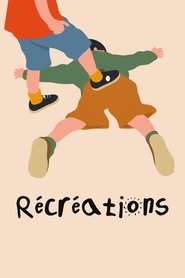
star 6.7As French kindergarteners pour forth for recess, play takes on epic proportions. In every corner, some miniature drama is unfolding. Violence, love, jealousy, treachery are all here! This is human society in the making.The Dreamed Ones
2016
The Dreamed Ones
2016
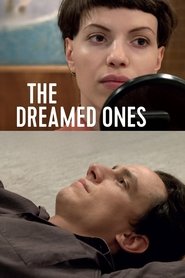
star 8.2It’s not uncommon for a film to have a moving love story at its core. Yet this particular set-up is unusual. The lovers here are Ingeborg Bachmann and Paul Celan, both important representatives of post-war German-language poetry. The story of the relationship between the Austrian and the Jew from Czernowitz is told through their nearly 20-year correspondence (1948–1967). Or, more precisely, by a young woman and a young man reading from their letters in a studio in Vienna’s venerable Funkhaus.Ta'ang
2016
Ta'ang
2016
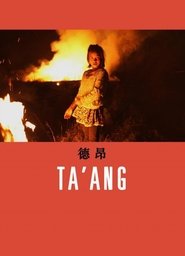
star 5.6The Ta'ang or Palaung people, an ethnic minority living in the mountainous area between Myanmar's Kokang region and China's Yunnan province, have historically suffered many forced migrations due to war. When their survival is threatened again in 2015, thousands of them flee across the border. Filmmaker Wang Bing accompanies them and becomes a privileged witness to a human story that is both a modern reportage and a mythical epic.The Dwarvenaut
2016
The Dwarvenaut
2016
star 6.2A glimpse into the unique mind of Brooklyn-based artist and entrepreneur Stefan Pokorny. Director Josh Bishop weaves memories of Stefan’s tumultuous childhood with his current struggles and triumphs to paint a mesmerizing portrait. An art prodigy obsessed from a young age with Dungeons & Dragons, Stefan navigates absurd adventures—from Wisconsin to Venice to Bushwick—on a quest to bring his most personal project to life through an ambitious multimillion dollar Kickstarter campaign.The Space in Between: Marina Abramović and Brazil
2016
star 7.7Marina Abramović travels through Brazil, in search of personal healing and artistic inspiration, experiencing sacred rituals and revealing her creative process. The route is comprised of poignant encounters with healers and sages from the Brazilian countryside, exploring the limits between art and spirituality. This external trip triggers in Marina a profound introspective journey through memories, pain and past experiences.Mike Nichols: An American Master
2016
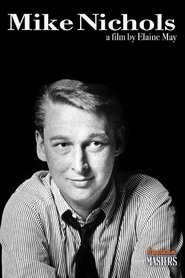
star 6.3With charm and wit, Nichols discusses his life and 50-year career as a performer and director.The United States of America
1975
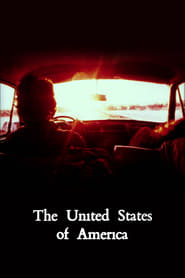
star 7.6A conceptual bicentennial film dealing with spatial and temporal relationships between two travelers, their car, and the geographic, political, and social changes from NY to Los Angeles.Cinema, Mon Amour
2016
Cinema, Mon Amour
2016
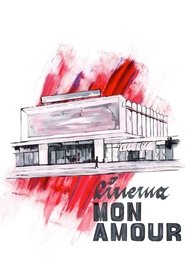
star 6.6Follows the story of Viktor Purice - manager, former projectionist and lifetime cinephile and his two loyal employees, Cornelia & Lorena, in their everyday battle to preserve Dacia Panoramic Cinema in Piatra Neamt - one of the last remaining cinemas in Romania today. Having lived through "the golden age" of cinema, Viktor dreams of bringing back the good old glory days, yet struggles to keep up with the new harsh reality. In a theater that lacks heating and is slowly falling apart, with no support from the State who owns the place, it’s almost a Don Quixote fight.How to Let Go of the World and Love All the Things Climate Can't Change
2016
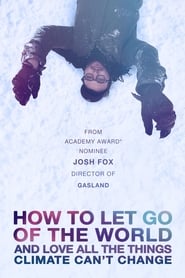
star 4.5When documentarian Josh Fox realizes, after much soul searching, that the answers for how to respond to the degradation of our environment cannot be found in his own back yard, he travels the world to connect with communities that are already facing grave effects of climate change. What he finds is a complicated mix of tragedy and inspiration in the various ways climate change is affecting our value systems. How to Let Go of the World delivers a sobering portrait of the state of climate change, and takes stock of what makes humans survivors, and our societies so creative and resilient.Projekt A - A Journey to Anarchist Projects in Europe
2016
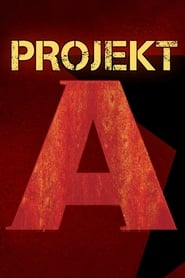
star 6.8PROJEKT A is a documentary that resists the common clichés about anarchism to instead show anarchist ideas of a society in which no one shall have the power to control knowledge, natural resources, land, soil or other people. After inspiring over 25,000 German cinema-goers, this award-winning documentary about anarchism and anarchist projects in Europe is now available on VoD! “Projekt A stirs up the audience and is grippingly shot, getting close to the kinds of tenacious people who are so vital to change in our society.” (kinokino) “…a cinematic portrait, not of anarchy, but of anarchists. A story, not of possibilities, necessities or even failure, but a depiction of achievements, initiative, action, ideas, as well as success.” (kino-zeit.de) Audience Award Filmfest MunichHeroin: Cape Cod, USA
2015
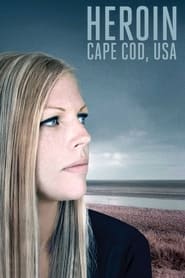
star 6.8An unvarnished look at the heroin epidemic sweeping America's small towns and communities, focusing on on eight young addicts in idyllic Cape Cod, Mass.Yes, We Fuck!
2015
Yes, We Fuck!
2015
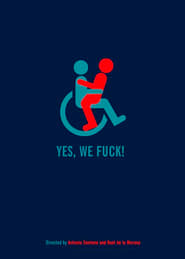
star 5.2A documentary that addresses sexuality in people with functional diversity through six real stories which show that sex belongs to everybody. It explores not only what sexuality can do for the people with disabilities, but what functional diversity may contribute to human sexuality. It breaks the pairing dependence-infantilization using explicit images that portray disabled people as sexual and sexed beings and as desiring and desirable bodies.Queen Mimi
2016
Queen Mimi
2016
star 7.3Forced onto the streets in her 50s, Marie found "home" at a Santa Monica laundromat. Taking shelter there for 20 years, Mimi's passion for pink, and living without looking back, has taken her from homelessness to Hollywood's red carpets.Before My Eyes
1989
The Messenger
2015
The Messenger
2015
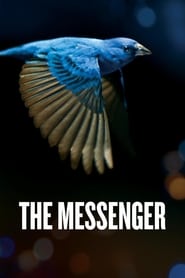
star 7.7Songbirds are disappearing at an alarming rate. The Messenger is a visually thrilling ode to the beauty and importance of the imperiled songbird, and what it means to all of us on both a global and human level if we lose them.The Madness of Max
2015
The Madness of Max
2015
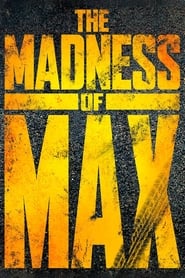
star 7.3The Madness of Max is a feature-length documentary on the making of arguably the most influential movie of the past thirty years. With over forty cast-and-crew interviews, hundreds of behind-the-scenes photographs and never-before-seen film footage of the shoot, this is without a doubt the last word on Mad Max (1979).Interviews include: George Miller, Byron Kennedy, Mel Gibson, Hugh Keays-Byrne, Steve Bisley, Roger Ward, Joanne Samuel, David Eggby, Jon Dowding and many more. From the Producers to the Bike Designers to the Traffic Stoppers, this is the story of how Mad Max was made.When Star Wars Ruled the World
2004
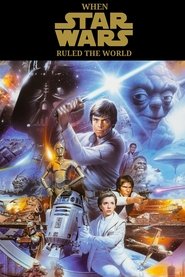
star 8.8A VH1 television special wherein the cast discuss the making of the films and what made the franchise a phenomenon.Wind Vane
1972
Wind Vane
1972
star 5.5Two cameras mounted on tripods with wind vane attachments were positioned about 50 feet apart along an axis of 45 degrees to the direction of the wind. Both cameras were free to pan through 360 degrees in the horizontal plane. There are three continuous 100 foot takes for each screen. The movements of the two cameras, which were filming simultaneously, were controlled by the wind strength and direction.