Top Rated Documentary Movies on Pantaflix - Page 430
All Services
Free Services
 Netflix
 Amazon Prime Video
 Apple iTunes
 Apple TV Plus
 Disney Plus
 Google Play Movies
 Paramount Plus
 Hulu
Hulu
 HBO Max
 YouTube
 fuboTV
 Peacock
 Peacock Premium
 Amazon Video
 The Roku Channel
 AMC+
AMC on Demand
AMC+
AMC on Demand
 Kocowa
 Hoopla
 The CW
 Vudu
Vudu
 Starz
Starz
 Showtime
 PBS
PBS
 Pantaflix
 FXNow
FXNow
 Tubi TV
 Kanopy
 Comedy Central
 Crunchyroll
 Microsoft Store
 Redbox
 Sun Nxt
 ABC
ABC
 DIRECTV
 Crackle
 Fandor
 Plex
Plex
Netflix
Amazon Prime Video
Apple iTunes
Apple TV Plus
Disney Plus
Google Play Movies
Paramount Plus
Hulu
HBO Max
YouTube
fuboTV
Peacock
Peacock Premium
Amazon Video
The Roku Channel
AMC+
AMC on Demand
Kocowa
Hoopla
The CW
Vudu
Starz
Showtime
PBS
Pantaflix
FXNow
Tubi TV
Kanopy
Comedy Central
Crunchyroll
Microsoft Store
Redbox
Sun Nxt
ABC
DIRECTV
Crackle
Fandor
Plex

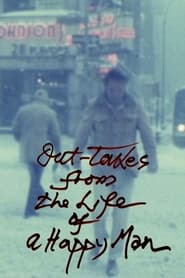
Out-Takes from the Life of a Happy Man
2012
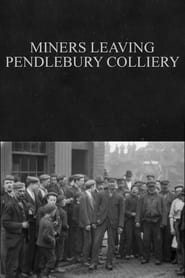
star 6.5An autobiographical diary film assembled from unused footage shot between 1960 and 2000, interwoven with reflections, music, and glimpses of family, friends, city life, and travel. Mekas transforms these fragments into a poetic celebration of memory, happiness, and the passing of time.Miners Leaving Pendlebury Colliery
1901
star 4.8A group of miners (including a sole black worker) exits the colliery gates.Negro Street Dancers
1896
Negro Street Dancers
1896
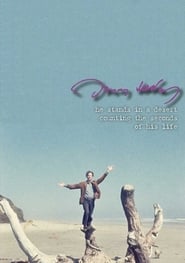
star 4.7Five black and white minstrels dancing and playing musical instruments in Rupert Street, London.He Stands in a Desert Counting the Seconds of His Life
1986
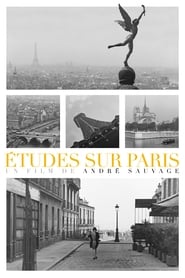
star 8.2A film collage tracing the story of the lives, loves, and deaths within the artistic community surrounding Jonas Mekas.Études sur Paris
1928
Études sur Paris
1928
star 7.3"Paris, Paris, you know, I would eat it..." wrote André Sauvage. An artist close to the avant-gardes, André Sauvage composed the first great filmed portrait of Paris. Its ambitious symphony of a big city marries, on the music composed by Jeff Mills, the changing rhythm of the Belle Époque. Contemporary of the dizzying explorations of Dziga Vertov and Walter Ruttmann, Sauvage is less fascinated by speed than by the repertoire of urban mobility, attentive to the neighborhoods he crosses, always curious about their furtive inhabitants. He draws a portrait of Paris in five studies: Paris-Port, North-South, the islands of Paris, the Little Belt and from the Saint-Jacques tower to the Sainte-Geneviève mountain.The Electric Night
1928
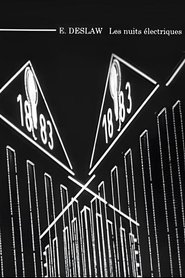
The Electric Night
1928
star 6.6City lights contrasted with total darkness in this experimental short film.Big Shot
2013
Big Shot
2013
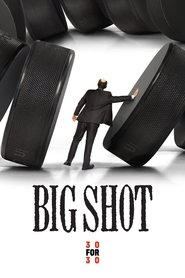
star 6.1A meteoric rise and tragic fall are captured in this brief history of a beloved sports team and a man who took a chance. When the New York Islanders first burst on the national hockey scene, the team was unstoppable. Winning four straight Stanley Cups, it became the pride of Long Island, until subsequent years of turmoil left the Islanders in dire straits. Enter John Spano, an obscure Texas millionaire with big dreams and a persuasive smile. Director and avid Islanders fan Kevin Connolly of HBO’s Entourage gets an earnest play-by-play from a man who exaggerated his social and monetary profile so vastly that he actually took control of an NHL franchise. With testimony from sports analysts and federal investigators, Connolly skillfully pieces together this unbelievable story.Scénario du film Passion
1982
star 5.6Godard constructs a lyrical study of the cinematic and creative process by deconstructing the story of his 1982 film Passion. “I didn’t want to write the script,” he states, “I wanted to see it.” Positioning himself in a video editing suite in front of a white film screen that evokes for him the “famous blank page of Mallarmé,” Godard uses video as a sketchbook with which to reconceive the film. The result is a philosophical, often humorous rumination on the desire and labor that inform the conceptual and image making process of the cinema.Tales from the Organ Trade
2013
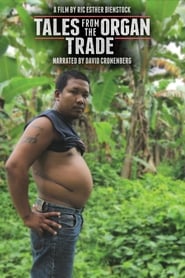
star 6.4A look into the underground world of trafficking human body parts.The Responsive Eye
1965
The Responsive Eye
1965
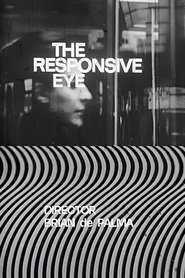
star 5.3A documentary short directed by Brian De Palma, The Responsive Eye documents the 1965 exhibition of optical art at the Museum of Modern Art in New York. Curated by William C. Seitz, the exhibition was the first major museum show dedicated to Op Art. The film captures both the artworks and the reactions of attendees, offering a snapshot of a pivotal moment in the relationship between contemporary art and public perception.TRANS
2012
TRANS
2012
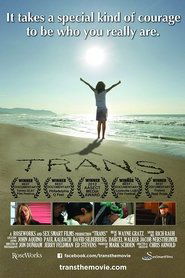
star 5An up-close and very personal journey into the transgender world through the memorable stories and the unusual lives of a remarkable cast of characters.For All Mankind - The Life and Career of Mick Foley
2013
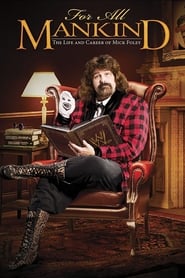
star 7.1WWE superstar Mick Foley (aka Mankind, aka Dude Love, aka Cactus Jack) looks back at his spectacular career as one of the best-loved and biggest risk-taking wrestlers of his generation...Kingdom of the Oceans
2011
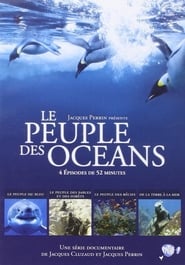
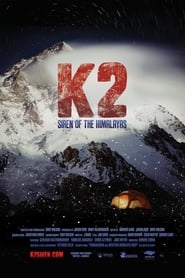
star 6.9Diving into the planet’s waters, Kingdom Of The Oceans features astonishing footage that showcases the majesty of the underwater world. Shot at over 50 locations around the world and with eighty different species, this breath-taking four-part special offers a deeper insight into the aquatic side of nature, from the coastal shores to the open sea. 1) Giants Of The Deep: The voyages of blue whales and hordes of tuna through the vast, blue, liquid expanse of the oceans. 2) Sand Wars:The sandy plains of the seabed can appear to be empty, but hide multitudes of moving creatures. 3) Predator's Paradise: Coral polyps are tiny animals that construct underwater mountains, sheltering an extraordinarily diverse group of species. 4) Fire & Ice: Whales, penguins, iguanas and dolphins have all inherited a burdensome air-breathing legacy from their land-dwelling ancestors.K2: Siren of the Himalayas
2012
star 6.6Following a group of climbers attempting to climb K2 in 2009, on the 100-year anniversary of its landmark 1909 expedition. Experience the adventure, peril and serenity of a group's attempt to climb the most challenging peak on earth.8: SIDA
2006
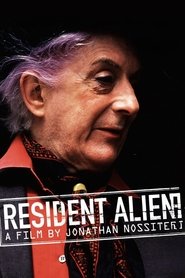
Resident Alien
1990
Resident Alien
1990
star 5At age 73, writer and melancholy master of the bon mot, Quentin Crisp (1908-1999), became an Englishman in New York. Nossiter's camera follows Crisp about the streets of Manhattan, where Crisp seems very much at home, wearing eye shadow, appearing on a makeshift stage, making and repeating wry observations, talking to John Hurt (who played Crisp in the autobiographical TV movie, "The Naked Civil Servant"), and dining with friends. Others who know Crisp comment on him, on his life as an openly gay man with an effeminate manner, and on his place in the history of gays' social struggle. The portrait that emerges is of one wit and of suffering.A Sea Cave Near Lisbon
1896
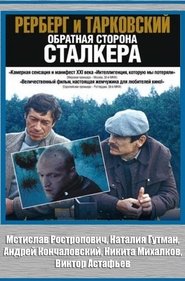
star 5.1The water beats relentlessly against the Hell's Mouth (Boca do Inferno), one of the main natural attractions of Lisbon's west coast, filmed from above almost in a vertical plunge onto the deep, rocky ground.Rerberg and Tarkovsky. The Reverse Side of 'Stalker'
2009
star 4.3The conflict surrounding the production of Andrei Tarkovsky's 1979 masterpiece 'Stalker', as well as a look at the tragic character that was Georgi Rerberg.The Enclosed Valley
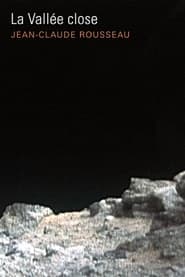
1995
The Enclosed Valley
1995
star 7.2My films are like that: in a room, but looking out onto an open sky. [...] I can’t really say it except to repeat that Bresson note, ‘that without a thing changing, everything is different.’ The film exists. The fiction is set up, and we believe in it. The justness of the agreement leads us to believe it, because everything plays equally at being a sign. That’s the arrangement of the elements. It’s an act of faith. La vallée close is just this: elements treated above all as if in a documentary that, without being changed, portray the story and reveal between them the elements of fiction. But above all seen as they are, insignificant. And then in the relations they set up, they can satisfy our desire for a story. -- Rousseau