Top Rated Documentary Movies on Pantaflix - Page 470
All Services
Free Services
 Netflix
 Amazon Prime Video
 Apple iTunes
 Apple TV Plus
 Disney Plus
 Google Play Movies
 Paramount Plus
 Hulu
Hulu
 HBO Max
 YouTube
 fuboTV
 Peacock
 Peacock Premium
 Amazon Video
 The Roku Channel
 AMC+
AMC on Demand
AMC+
AMC on Demand
 Kocowa
 Hoopla
 The CW
 Vudu
Vudu
 Starz
Starz
 Showtime
 PBS
PBS
 Pantaflix
 FXNow
FXNow
 Tubi TV
 Kanopy
 Comedy Central
 Crunchyroll
 Microsoft Store
 Redbox
 Sun Nxt
 ABC
ABC
 DIRECTV
 Crackle
 Fandor
 Plex
Plex
Netflix
Amazon Prime Video
Apple iTunes
Apple TV Plus
Disney Plus
Google Play Movies
Paramount Plus
Hulu
HBO Max
YouTube
fuboTV
Peacock
Peacock Premium
Amazon Video
The Roku Channel
AMC+
AMC on Demand
Kocowa
Hoopla
The CW
Vudu
Starz
Showtime
PBS
Pantaflix
FXNow
Tubi TV
Kanopy
Comedy Central
Crunchyroll
Microsoft Store
Redbox
Sun Nxt
ABC
DIRECTV
Crackle
Fandor
Plex

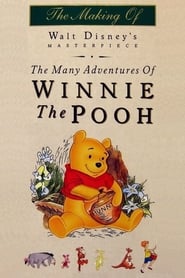
The Many Adventures of Winnie the Pooh: The Story Behind the Masterpiece
1996
star 6The Many Adventures of Winnie the Pooh: The Story Behind the Masterpiece is a behind-the-scenes documentary narrated by Corey Burton on the making of The Many Adventures of Winnie the Pooh. It was originally made to commemorate the film's 20th anniversary, and was included with the film's subsequent home video releases. The special was made in 1996 by TV is OK Productions and was directed by Harry Arends.Motley's Law
2015
Motley's Law
2015
star 5.6This captivating documentary follows tough-as-nails lawyer (and former Mrs. Wisconsin) Kimberley Motley, the only American allowed to practice law in Afghanistan. Motley defends US and European citizens caught in the country’s legal and political quagmire, even as she finds herself under threat of assassination. While Motley brazenly chastises Afghani judges on behalf of her clients, she must also balance the needs of her family a world away.The Living Fire
2015
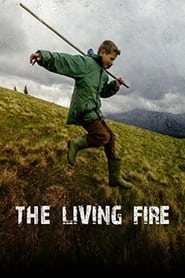
The Living Fire
2015
star 7.6“Lives begin and end, but everything goes back to the earth.” A tour-de-force of cinematography and sound design, this captivating, award-winning documentary looks at three generations of sheepherders in the Carpathian Mountains. While father and son take their flock on their annual journey through the highlands, the 82-year-old widower Vasyl reflects on his past back home. A sublime look at the cycles of life and the waning of tradition.AFI: 100 Years... 100 Movies... 10th Anniversary Edition
2007
star 6.710th Anniversary of the 100 greatest films as chosen by the American Film Institute.Ida's Diary
2015
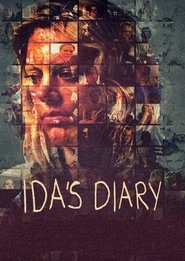
Ida's Diary
2015
star 5.6Ida's Diary is a film about hope and courage, about finding your own identity and daring to live. It's a personal film based on Ida's own video diary from the last eight years.Green Day: Heart Like a Hand Grenade
2015
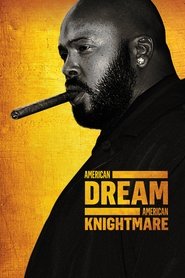
star 8.5More than 10 years after the release of Green Day's American Idiot, the 2015 Rock and Roll Hall of Fame Inductees present this time capsule rock doc that takes us inside the making of their award-winning punk rock opera.American Dream/American Knightmare
2018
star 6.8Documentary that delves deep into the life and storied exploits of the iconic Death Row Records co-founder Suge Knight, as well as the volatile and highly influential era in gangsta rap he presided over. Through a series of interviewers face to face with director Antoine Fuqua, Knight reveals exactly how it all happened and why it all fell apart. Knight is currently in jail pending trial on murder, attempted-murder and hit-and-run charges.Gonchi
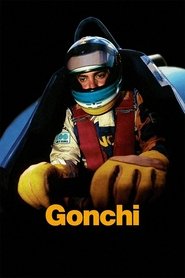
2015
Gonchi
2015
star 7.2The story of a Uruguayan car racer that dreamt about being in F1 and did all that was possible to reach his goal. When he was about to reach his best prize, he died in a car accident at the CART World Series tests in Laguna Seca, US. This is a story about inspiration and overcoming obstacles. It portrays that nothing is impossible in life if there is dedication and love. A story about a young man that went through many hardships and that raced with the best. He came from a far away country with no tradition in the international automobile racing world.The Prince of Pennsylvania
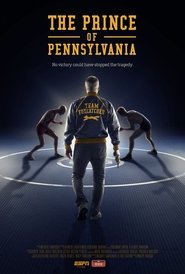
2015
star 6.6Back in the 1980s, the road to the Olympics was long and hard for an amateur wrestler. But then along came John du Pont, an eccentric heir to the family fortune with a passion for wrestling. His 800-acre Foxcatcher Farm outside Philadelphia became the hub of the sport, with state-of-the-art training facilities, free accommodations, generous stipends and the support of America’s best freestyle wrestlers, brothers Mark and Dave Schultz. It all seemed too good to be true – and tragically it was, with a savage ending. Featuring fresh testimonials and never-before-seen footage, “The Prince of Pennsylvania” is the story of a paradise lost to the madness of its creator, a man who had the means to buy anything except for the one thing he truly wanted.The Hard Stop
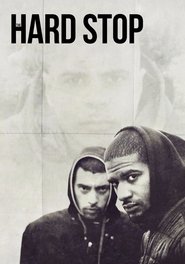
2016
The Hard Stop
2016
star 6A reflection on the 2011 killing of Mark Duggan, a young, black, British man, at the hands of London's Metropolitan Police. Duggan was pulled over early one morning, and minutes later, was shot dead. This event ignited the now-infamous Tottenham riots and made headlines around the globe, but, as so often happens, the issue soon dropped from the news. Picking up the story where the media left off, we're brought back to its roots in Duggan's neighbourhood, following his friends' fight for justice and search for meaning, while struggling against ongoing discrimination in their daily lives.Know Your Ally: Britain
1944
star 4.6Know Your Ally: Britain was a 45-minute propaganda film made in 1944. It was narrated by Walter Huston and produced by the United States War Department and Signal Corp to solidify Anglo-American solidarity within the ranks as well as counter Nazi propaganda aimed at weakening the Alliance.Superdyke Meets Madame X
1976
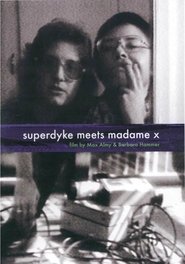
star 5.5From the first kiss to breakup, Almy and Hammer record their relationship on a reel-to-reel ¾” tape recorder and microphone.Shunters
1984
Shunters
1984
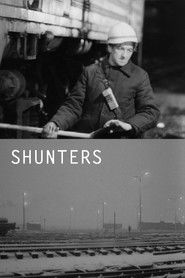
star 7Experienced shunters working at the Dresden-Friedrichstadt goods yard. In all weathers, day and night, they couple and uncouple the wagons. The air is full of sound: hammering, steps crunching on the gravel, whistles and shunting noises.Presenting Princess Shaw
2016
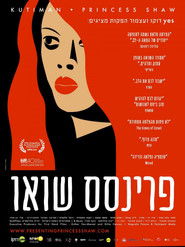
star 6.6Through You Princess will follow Samantha, Kutiman, and some of the musicians around the world who are not aware of Kutiman creating his new music out of their musical web clips. Everyone is from another background, culture, and country, but all share now a mutual musical vision.Rail
1967
Rail
1967
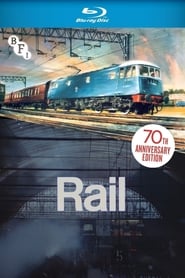
star 7.2"Rail" captures British Railways at a major turning-point in its history. In certain respects, this was a period of considerable upheaval and loss. There was a facing-up to the increasing need for a big modernisation drive. Full and speedy electrification, or the wider promotion of diesel-power on remaining lines, became a matter of top priority. Geoffrey Jones recorded a rapidly disappearing world of everyday steam travel, with its labour-intensive rail workforce : some of the footage in "Rail" (recognisable from "Snow") dates from around 1962.Exodus
1997
Exodus
1997
star 3The film documents two men carrying palm trees through the streets of East London. McQueen tracked the men through a bustling Brick Lane market.A Working Men's Club in Sheffield
1965
star 5.9A documentary of the town of Sheffield's main pub and the people who went there.Macedonia in Pictures
1923
star 4.2This film was made on the occasion of the celebration of the 20th anniversary of the Ilinden (St. Ellias Day) Rebellion. This panoramic film depicts the most significant historic figures and places situated in the Aegian, Pirin and Vardar regions.Troublemakers: The Story of Land Art
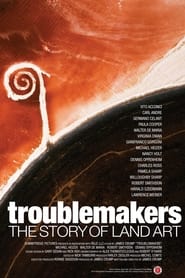
2015
star 6The titular troublemakers are the New York–based Land (aka Earth) artists of the 1960s and 70s, who walked away from the reproducible and the commodifiable, migrated to the American Southwest, worked with earth and light and seemingly limitless space, and rethought the question of scale and the relationships between artist, landscape, and viewer. Director James Crump has meticulously constructed Troublemakers from interviews (with Germano Celant, Virginia Dwan, and others), photos and footage of Walter De Maria, Michael Heizer, Robert Smithson, Nancy Holt, and Charles Ross among others at work on their astonishing creations.Meurtrière
2015
Meurtrière
2015
star 5.2In the second part of the trilogy on anxiety (in continuation of White Epilepsy), the only light source that reflects on the screen is the naked human body. Its surface, full of bones and muscles, flexes and vibrates in a frantic rhythm. The livelier the reflection, the deeper a viewer feels his/her mortality, as he recognizes between the convulsions the forces he/she cannot control.