Top Rated History Movies on Pantaflix - Page 143
All Services
Free Services
 Netflix
 Amazon Prime Video
 Apple iTunes
 Apple TV Plus
 Disney Plus
 Google Play Movies
 Paramount Plus
 Hulu
Hulu
 HBO Max
 YouTube
 fuboTV
 Peacock
 Peacock Premium
 Amazon Video
 The Roku Channel
 AMC+
AMC on Demand
AMC+
AMC on Demand
 Kocowa
 Hoopla
 The CW
 Vudu
Vudu
 Starz
Starz
 Showtime
 PBS
PBS
 Pantaflix
 FXNow
FXNow
 Tubi TV
 Kanopy
 Comedy Central
 Crunchyroll
 Microsoft Store
 Redbox
 Sun Nxt
 ABC
ABC
 DIRECTV
 Crackle
 Fandor
 Plex
Plex
Netflix
Amazon Prime Video
Apple iTunes
Apple TV Plus
Disney Plus
Google Play Movies
Paramount Plus
Hulu
HBO Max
YouTube
fuboTV
Peacock
Peacock Premium
Amazon Video
The Roku Channel
AMC+
AMC on Demand
Kocowa
Hoopla
The CW
Vudu
Starz
Showtime
PBS
Pantaflix
FXNow
Tubi TV
Kanopy
Comedy Central
Crunchyroll
Microsoft Store
Redbox
Sun Nxt
ABC
DIRECTV
Crackle
Fandor
Plex

The World Moves On
1934
The World Moves On
1934
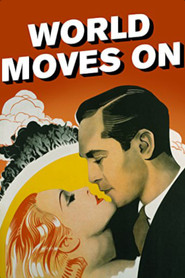
star 5.6Two families, cotton merchants in England and America, with branches in France and Prussia swear to stand by each other in a belief that a great business firmly established in four countries will be able to withstand even such another calamity as the Napoleonic Wars from which Europe is slowly recovering. Then many years later, along comes World War One and the years that follow, to test the businesses.Thou Shalt Not: Sex, Sin and Censorship in Pre-Code Hollywood
2008
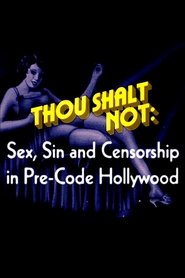
star 6.1A look at the forces that shaped Pre-Code Hollywood and brought about the strict enforcement of the Hays Code in 1934.Scaramouche
1923
Scaramouche
1923
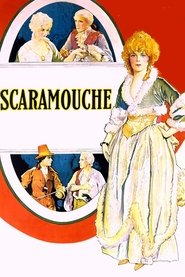
star 7.2A law student becomes an outlaw French revolutionary when he decides to avenge the unjust killing of his friend. To get close to the aristocrat who has killed his friend, the student adopts the identity of Scaramouche the clown.Friendly Fire
1998
Friendly Fire
1998
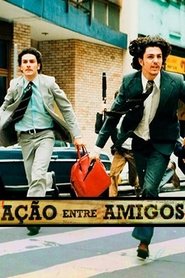
star 5.7Brazil in the early 70s. Miguel, Eloi, Osvaldo and Paolo take part in armed attacks against the military dictatorship. They pay a heavy price with torture and arrest. Today the four friends still see each other. Only Miguel is politically active. On a photograph from a political meeting in Sao Paolo he recognises the policeman who tortured them 25 years ago and who was responsible for the death of Miguel's girlfriend. The policeman has been officially dead for a few years. On one of their fishing trips together, Miguel tells his friends of his discovery. When they hunt down and confront their nemesis they come into conflict with both themselves and each other.The Congress Dances
1931
The Congress Dances
1931
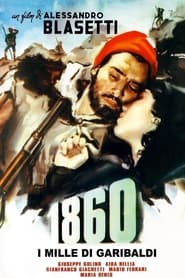
star 7.2Vienna glove-sales-lady Christel falls in love with Russian Czar Alexander. Austrian Prince Metternich tries to use this and other pleasant diversions to keep him out of the negotiation conferences of the 1815 Vienna Congress.1860
1934
1860
1934
star 6.4The story is the harried attempt of a Sicilian partisan, as part of the risorgimento, to reach Garibaldi's headquarters in Northern Italy, and to petition the revered revolutionary to rescue part of his besieged land. Along the way, the peasant hero encounters many colorful Italians, differing in class and age, and holding political opinions of every type. There is a key train scene, and the film ends on the battlefield, Italian unification a success, despite brutal losses.In His Life: The John Lennon Story
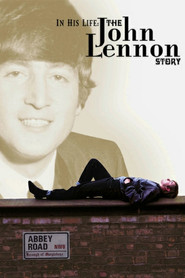
2000
star 6.1A film about the early life of the rock musician and his burgeoning career as a member of the Beatles.Heroes Two
1974
Heroes Two
1974
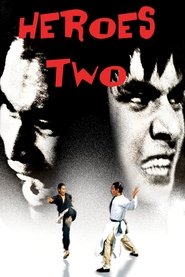
star 6.4A band of fighting Ming Dynasty loyalists branded as enemies of the state are driven underground following the burning of the Shaolin Temple by Qing Dynasty officials. Due to a misunderstanding, Shaolin kung fu prodigy Fong Sai-yuk is duped into helping Qing agents to capture leading Shaolin rebel Hung Hei-gun. Upon discovering his mistake, Sai-yuk teams up with the remaining rebels to free Hei-gun before his planned execution. Plotting to stop them is General Che Kang, a formidable Tibetan kung fu master who commands an army of fighters including four deadly Tibetan llamas.The UFO Incident
1975
The UFO Incident
1975
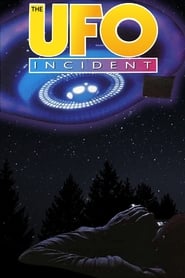
star 6.7In the early 1960s, an interracial couple undergo hypnosis, which unlocks memories of a forgotten event on a lonely road. Soon they believe they were abducted by extraterrestrials.Profit Motive and the Whispering Wind
2008
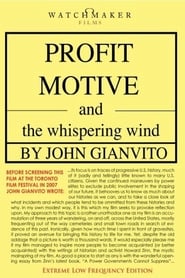
star 6.4A visual essay about the progressive tradition of the United States as seen through grave markers and monuments.Paul Simon: Under African Skies
2012
star 7.2Paul Simon returns to South Africa to explore the incredible journey of his historic Graceland album, including the political backlash he received for allegedly breaking the UN cultural boycott of South Africa designed to end the Apartheid regime. On the 25th anniversary of Paul Simon's GRACELAND, acclaimed documentary filmmaker Joe Berlinger offers a glimpse at the controversy surrounding the decision to record the album in South Africa despite a UN boycott of the nation, which was aimed at ending apartheid. In the run-up to an eagerly anticipated reunion concert, Simon, Quincy Jones, Peter Gabriel, David Byrne, Harry Belafonte, Paul McCartney and others reflect on the decision to record with local artists in South Africa, and the cultural impact of the album that delivered such hits as "I Know What I Know" and "You Can Call Me Al."The Last Ronin
2010
The Last Ronin
2010
star 6.616 years after the fateful "revenge of the Forty-seven Ronin," involving samurais from the Ako domain who avenged their leader and then commited seppuku (ritual suicide), the sole survivor of that incident, Kichiemon Terasaka (Koichi Sato) traverses the country on a mission. His purpose is to find the families of the fallen samurais and spread the truth of the ronin uprising.If Paris Were Told to Us
1956
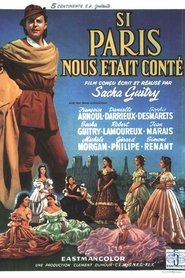
star 5.7Historical film directed and written by Sacha Guitry follows the the history of Paris from its founding through the significant events in the city's history.I Am Cuba, the Siberian Mammoth
2005
star 7.2Contemporary film critics regard the epic film I Am Cuba as a modern masterpiece. The 1964 Cuban/Soviet coproduction marked a watershed moment of cultural collaboration between two nations. Yet the film never found a mass audience, languishing for decades until its reintroduction as a "classic" in the 1990s. Vicente Ferraz explores the strange history of this cinematic tour de force, and the deeper meaning for those who participated in its creation.Poisons or the World History of Poisoning
2001
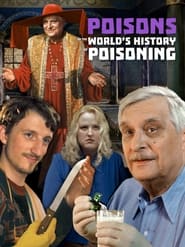
star 4.9A story of an actor named Oleg whose wife has been seduced by his neighbor. As he is thoroughly convinced of her infidelity, he would like to poison her. An old man named Prokhorov helps him to get rid of his wife by lecturing about famous deaths caused by poisoning. It is from Prokhorov we learn that many famous and not so famous like Cesare Borgia and Caligula were killed as they were poisoned.Law of Courage
1994
Law of Courage
1994
star 6.8The true story of Rosario Livatino, a young judge in Sicily in the early 1980s, who have been nicknamed 'The Boy Judge' from the President of the Republic. He's strictly incorruptible, working hard and refusing even to shake hands with suspects. He then starts a number of investigations that lead him to touch the mafia power in the area, and then to personal war with the hidden organization.St. Michael Had a Rooster
1972
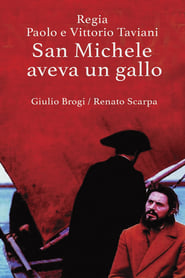
star 6.6Sentenced to life imprisonment for illegal activities, Italian International member Giulio Manieri holds on to his political ideals while struggling against madness in the loneliness of his prison cell.Ferdinando and Carolina
1999
star 6.1On his death bed in the 1820s, King Ferdinando I of Naples tries to escape the ghosts of his bloody kingship by remembering his younger days, when he was allowed to go hunting and have fun, and inventing love games. Then he was obliged to marry Mary Caroline of Austria, daughter of Empress Mary Theresa, in a political marriage: unexpectedly, they became happy lovers, until court power games divided them, and a different historical season arrived.The Edelweiss Pirates
2004
star 5.2Cologne towards the end of the Second World War. The city is in ruins, everyone is afraid, many are dead. It is a time of great inhumanity. Cologne’s young Edelweiss Pirates refuse to submit to the pressure of the Nazi regime. They fight with the Hitler Youth and scrawl anti-war propaganda on walls. Karl is an Edelweiss Pirate; his younger brother, Peter, is in the Hitler Youth movement. The two young men have been alone ever since their mother’s death in a bombing raid; their father is serving at the front, and their older brother, Otto, has been killed in action. Otto’s financée, Cilly, is doing her best to survive the war with her children. Carl is trying to help her.The Remains of Nothing
2005
star 6.4Set in the 1790s, this historical drama follows the travails of an idealistic noblewoman who helps lead a daring revolution in Italy.