Top Rated History Movies on Pantaflix - Page 147
All Services
Free Services
 Netflix
 Amazon Prime Video
 Apple iTunes
 Apple TV Plus
 Disney Plus
 Google Play Movies
 Paramount Plus
 Hulu
Hulu
 HBO Max
 YouTube
 fuboTV
 Peacock
 Peacock Premium
 Amazon Video
 The Roku Channel
 AMC+
AMC on Demand
AMC+
AMC on Demand
 Kocowa
 Hoopla
 The CW
 Vudu
Vudu
 Starz
Starz
 Showtime
 PBS
PBS
 Pantaflix
 FXNow
FXNow
 Tubi TV
 Kanopy
 Comedy Central
 Crunchyroll
 Microsoft Store
 Redbox
 Sun Nxt
 ABC
ABC
 DIRECTV
 Crackle
 Fandor
 Plex
Plex
Netflix
Amazon Prime Video
Apple iTunes
Apple TV Plus
Disney Plus
Google Play Movies
Paramount Plus
Hulu
HBO Max
YouTube
fuboTV
Peacock
Peacock Premium
Amazon Video
The Roku Channel
AMC+
AMC on Demand
Kocowa
Hoopla
The CW
Vudu
Starz
Showtime
PBS
Pantaflix
FXNow
Tubi TV
Kanopy
Comedy Central
Crunchyroll
Microsoft Store
Redbox
Sun Nxt
ABC
DIRECTV
Crackle
Fandor
Plex

1971
2014
1971
2014
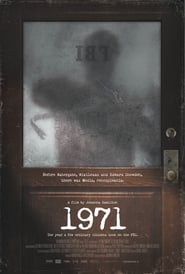
star 6.7Forty years before WikiLeaks and the NSA scandal, there was Media, Pennsylvania. In 1971, eight activists plotted an intricate break-in to the local FBI offices to leak stolen documents and expose the illegal surveillance of ordinary Americans in an era of anti-war activism. In this riveting heist story, the perpetrators reveal themselves for the first time, reflecting on their actions and raising broader questions surrounding security leaks in activism today.The Ambassador to Bern
2014
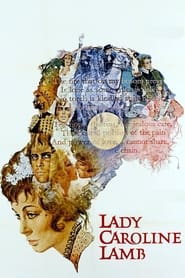
star 6.8A fictional account of the 1958 attack against the Hungarian embassy in Bern. Based on a true story about the aftermath of the 1956 Hungarian revolution.Lady Caroline Lamb
1972
Lady Caroline Lamb
1972
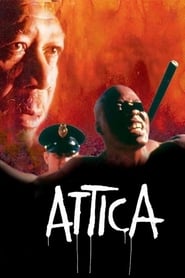
star 5.6Lady Caroline Lamb, dissatisfied in her marriage, has an affair with the dashing Romantic poet Lord Byron.Attica
1980
Attica
1980
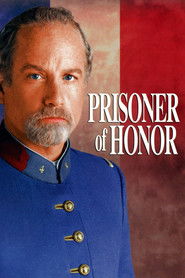
star 5.7Acclaimed dramatization recreating the incidents surrounding the 1971 revolt in New York's Attica State Prison that lasted for 23 days and resulted in the greatest casualty toll between Americans since the Civil War.Prisoner of Honor
1991
Prisoner of Honor
1991
star 6.2France, 1897. Colonel Georges Picquart challenges the French government when he discovers the obscure political maneuvers that led to the imprisonment of the Jewish Captain Alfred Dreyfus after being convicted of espionage in 1894.The Long Vacations of '36
1976
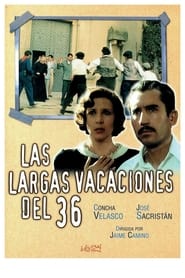
star 6Spain, 1936. The Civil War breaks out. In a village near Barcelona, several families decide to continue living in their summer houses until the violence ends.Goya: Or the Hard Way to Enlightenment
1971
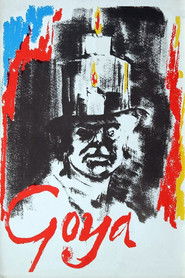
star 5.1As a painter in the court of King Carlos IV, Goya has attained wealth and reputation. He believes in King and Church, yet he is also a Spaniard who dearly loves his people. This contradiction presents him with a dilemma.Beyond the Movie: The Return of the King
2003
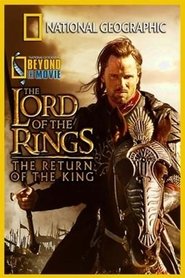
star 8.1Documentary exploring the parallels between 'The Return of the King' and real events and people in history.Famine-33
1991
Famine-33
1991
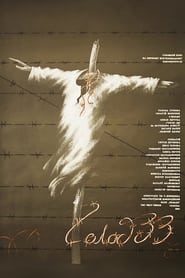
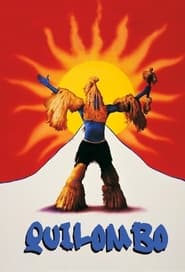
star 7.1The film about the Holodomor famine in Ukraine, based on the novel 'The Yellow Prince' by Vasyl Barka. The film is told through the lives of the Katrannyk family of six. It relies more on images than on words shot in black-and-white.Quilombo
1984
Quilombo
1984
star 6.9Quilombo dos Palmares was a real-life democratic society, created in Brazil in the 17th century. This incredibly elaborate (and surprisingly little-known) film traces the origins of Quilombo, which began as a community of freed slaves. The colony becomes a safe harbor for other outcasts of the world, including Indians and Jews. Ganga Zumba (Toni Tornado) becomes president of Quilombo, the first freely elected leader in the Western Hemisphere. Naturally, the ruling Portuguese want to subjugate Zumba and his followers, but the Quilombians are ready for their would-be oppressors. The end of this Brave New World is not pleasant, but the followers of Zumba and his ideals take to the hills, where they honor his memory to this day. Writer/director Carlos Diegues takes every available opportunity to compare the rise and fall of Quilombo with the state of affairs in modern-day Brazil.Zegen
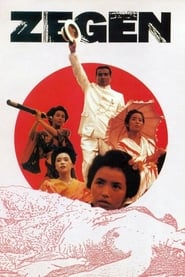
1987
Zegen
1987
star 6.4At the time between the World Wars, Japan is involved in empire-building throughout East and Southeast Asia. After a brief career as a low-level military adventurer, Iheiji sets up chains of brothels throughout Asia. As Japan's power in the region grows, so does Iheiji's prosperity and patriotism.Louis, the Child King
1993
star 5.5January 1649: Since the death of his father, the young Louis XIV must undergo the hard apprenticeship of royal power. He must face the intrigues of the great ones of the kingdom who lead La Fronde, the agreements and the betrayals of those close to him. He is helped in this by his mother Anne of Austria and by the Cardinal Mazarin.His Trust Fulfilled
1911
His Trust Fulfilled
1911
star 3.7Continuing where His Trust (1911) leaves off, George takes care of his deceased master's daughter after her mother's death. He sacrifices his own meager savings to give the girl a good life, until the money runs out and he tries to steal money from the girl's rich cousin.Caravaggio
2007
Caravaggio
2007
star 5.6The tumultuous and adventurous life of Michelangelo Merisi, controversial artist, called by Fate to become the immortal Caravaggio. A violent genius that will dare to defy the ideal vision of the world imposed by the Renaissance painters. A provoker that scandalized patrons and institutions, raising the altars the outcast figures he knew so well: drunkards, vagrants and prostitutes.The Inquiry
1986
The Inquiry
1986
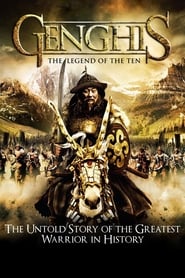
star 6.7A Roman agent is sent to Palestine to investigate rumors of the resurrection of an executed criminal.Genghis: The Legend of the Ten
2012
star 5.4A little known fact is that Chinggis Khaan, better known as Genghis Khan, would collect orphans from his bloody battlefields and have his own mother raise them. These adopted brothers grew up to become his most loyal officials and advisers. Khaan organised his Mongol soldiers into groups according to the decimal system. Soldiers were arranged in units of 10 ("aravt"), 100 ("zuut"), 1,000 ("minghan") and 10,000 ("tumen"). Each unit had an appointed leader reporting to a larger unit. A 10-person "aravt" unit is ordered by Khaan to locate a skilled doctor who lives in a forest. En route, they discover an abandoned baby. He is in fact the child of an enemy warrior who gives pursuit, even though they have saved the child's life. Whilst protecting the child from attacks from enemy soldiers, the members of the "aravt" must also complete their mission. Through their actions, they demonstrate the benevolence and bravery of Mongol warriors as the final battle closes in.Raja Harishchandra
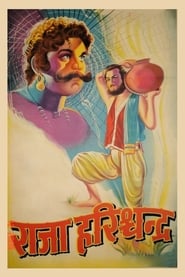
1913
Raja Harishchandra
1913
star 5Revolves around the noble and righteous king, Harishchandra, who first sacrifices his kingdom, followed by his wife and eventually his children to honor his promise to the sage Vishwamitra.Mount Hakkoda
1977
Mount Hakkoda
1977
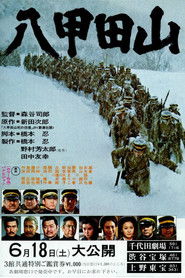
star 6.4Two infantry regiments of the Imperial Japanese Army—210 men overall—tackled Mt. Hakkoda in the winter of 1902 to prepare for war with Russia.The Movie Orgy
1968
The Movie Orgy
1968
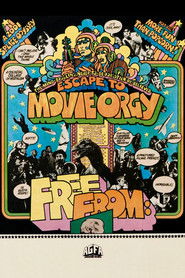
star 6.4Clips from assorted television programs, B-movies, commercials, music performances, newsreels, bloopers, satirical short films and promotional and government films of the 1950s and 1960s are intercut together to tell a single story of various creatures and societal ills attacking American cities.Combustible
2012
Combustible
2012
star 6.8The city of Edo, the 18th century. Owaka, the daughter of a merchant family, and her childhood friend Matsukichi. The two were drawn to each other, but Matsukichi has been disowned by his family, and is working for the city fire brigade. Meanwhile, negotiations begin for the arrangement of Owaka's marriage. Unable to let go of her thoughts of Matsukichi, her mad emotions make her bring about a massive inferno which razes Edo. By chance encounter, the two meet again amidst the fires.It is an epic spectacle set against the stage of the massive metropolis of Edo.