Top Rated War Movies on Pantaflix - Page 190
All Services
Free Services
 Netflix
 Amazon Prime Video
 Apple iTunes
 Apple TV Plus
 Disney Plus
 Google Play Movies
 Paramount Plus
 Hulu
Hulu
 HBO Max
 YouTube
 fuboTV
 Peacock
 Peacock Premium
 Amazon Video
 The Roku Channel
 AMC+
AMC on Demand
AMC+
AMC on Demand
 Kocowa
 Hoopla
 The CW
 Vudu
Vudu
 Starz
Starz
 Showtime
 PBS
PBS
 Pantaflix
 FXNow
FXNow
 Tubi TV
 Kanopy
 Comedy Central
 Crunchyroll
 Microsoft Store
 Redbox
 Sun Nxt
 ABC
ABC
 DIRECTV
 Crackle
 Fandor
 Plex
Plex
Netflix
Amazon Prime Video
Apple iTunes
Apple TV Plus
Disney Plus
Google Play Movies
Paramount Plus
Hulu
HBO Max
YouTube
fuboTV
Peacock
Peacock Premium
Amazon Video
The Roku Channel
AMC+
AMC on Demand
Kocowa
Hoopla
The CW
Vudu
Starz
Showtime
PBS
Pantaflix
FXNow
Tubi TV
Kanopy
Comedy Central
Crunchyroll
Microsoft Store
Redbox
Sun Nxt
ABC
DIRECTV
Crackle
Fandor
Plex

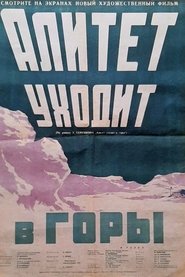
Alitet Leaves for the Hills
1949
star 5.6The inhabitants of Chukotka are shown to be cruelly exploited before the revolution. Once Chukotka is visited by the representative of the Kamchatka Revolutionary Committee, Los, and the ethnographer Zhukov. The news of the arrival of the Russians immediately disperses along the coast. Contrary to the pressure of the American Thomson and the local "oligarch" Alitet in Chukotka, fair trade laws are established, as a result of which the Americans and Alitet leave Chukotka.Peshawar Waltz
1994
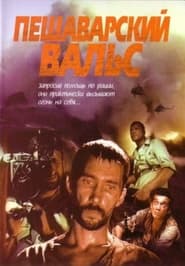
Peshawar Waltz
1994
star 1.4During the Russian war with Afghanistan in the 1980s, journalist Charlie Palmer and medic Victor Davis arrive at a P.O.W. camp near the Afghanistan/Pakistan border in order to document the sub-human conditions which the prisoners are forced to endure. During their visit, the prisoners seize control of the camp and begin to enact a series of terrible and bloody punishments on their captors. Held as hostages, Palmer and Davis are forced to witness acts of barbarity unlike any they have ever seen before.Lea and Darija
2011
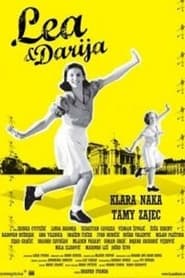
Lea and Darija
2011
star 6.1It’s inspiring true story about two thirteen-year-old girls who were, on the eve of World War II, great dancing and acting stars in Zagreb. Selling out theatre venues, they were praised in the most superb headlines by the Croatian and European press. They were filmed by Parisian Pathe and Berlin’s UFA… During the Nazi persecution of Jews and the later German nationals’ flight from communists, a dramatic friendship was born through entertainment, dance, but also anxiety. This led towards an unexpected end.The DMZ
1965
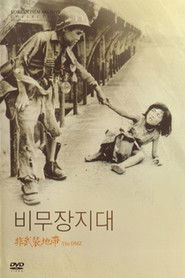
The DMZ
1965
star 6.4The film exposes the atrocities of war through the eyes of two children who are stranded in the DMZ after the end of the Korean War. The DMZ, strewn with abandoned tanks, dead bodies, land mines, and unexploded shells, is an exceedingly dangerous place for children. But what most endangers them in the end are not weapons but people.The Burnt Theatre
2005
The Burnt Theatre
2005
star 6.8A blend of fact and fiction, based on the actual lives of the actors, the film depicts a troupe of actors and dancers struggling to practice their art in the burned-out shell of Cambodia's former national theater, the Preah Suramarit National Theater in Phnom Penh.Babylon
1986
Babylon
1986
star 5.6Dark animation examining the thin line between human definitions of war and peace. Part of Sweet Disaster; a 1986 series of short films made for Channel 4. It consists of “animated visions of the apocalypse”.Battles of Chief Pontiac
1952
star 5.4In pre-Revolutionary America, the efforts of a Colonial officer trying to broker a peace deal between Indian chief Pontiac and British and American settlers are threatened by the commander of a Hessian mercenary unit who embarks on a campaign of extermination against the Indians.They Came to Blow Up America
1943
star 6.2Based on a true incident that occurred in 1942 when nine Nazi saboteurs were put ashore on the coast of Long Island, New York, by submarine, with orders to blow up various defense installations.Cameramen at War
1943
Cameramen at War
1943
star 5.2A tribute to the cameramen of the newsreel companies and the service film units, in the form of a compilation of film of the cameramen themselves, their training and some of their most dramatic film.Blood and Steel
1959
Anno Domini 1573
1975
Anno Domini 1573
1975
star 5.8Europe in second half of 16th century was very rough place to live. Peasants of Slovenia and Croatia had even rougher times because of the constant threat of Turk raids and being taxed to death in order to provide defence against the Turks. But, the worst things were arrogant local feudal lords led by Franjo Tahi who were oppresing the common folk. All that led to the great peasant revolt of 1573. The movie is made for the 400th anniversary of the event.Manhunt
1977
Manhunt
1977
star 6.4The leftover disbanded partisan battalion draws Chetniks' attention, who push their plans of attacking the partisan headquarters aside and start hunting them instead.Captain Lechi
1960
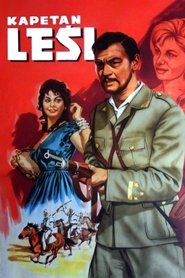
Captain Lechi
1960
star 4.6Kosmet in the fall of 1944. The Partisans have successfully liberated the town of Prizren from occupying Germans,and Ramiz Leshi, a brave and cunning KNOJ captain, has to liquidate the remainder of the local Quislings, called Balists. They are led by a ruthless, German-trained soldier Kosta and by Ahmet, the brother of the famous Captain. As Ramiz is trying to get Ahmet out of the gang and hunt down the rest of the Balists, 2 new girls arrive in town. One of them is Lola, a bar singer with a questionable agenda, and the other is Vida, a withdrawn music teacher from Belgrade.Three Reservists
1971
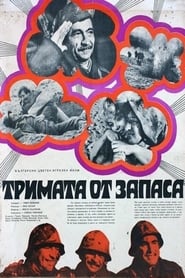
Three Reservists
1971
star 7In 1945, on the battlefields in Hungary, three Bulgarian soldiers from the reserve have to fight for the liberation of the country. They are totally unprepared for the war and have no desire to take part in the battles. The three reservists are the sad sight and initially their commander wants to send them back to Bulgaria. But their attitude is changed after the witnessed tragedies. Without knowing it, they all turn into heroes.El brigadista
1978
El brigadista
1978
star 6.2The Castro revolution was just consolidating its power when, in 1961, over 100,000 students were sent from their schools into the countryside to teach the peasants there how to read. Coinciding with the Bay of Pigs invasion, in this docudrama, 15-year-old Mario (Salvador Wood) has come to a tiny village in the Zapata swamps and gradually wins the villagers over to his task. At the same time, he receives an education in the realities of rural life from the hard-working peasants.Der kom en dag
1955
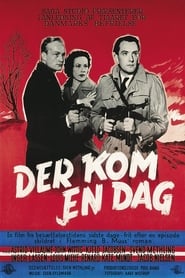
Der kom en dag
1955
star 6This film is based on a true story, depicted in the novel of the same name, "Der kom en dag" (The Day Came), written by Flemming B. Muus. Quote: On April 9, 1940, we surrendered, under protest, to an army that broke all treaties, attacked our borders, occupied our country, and seized all executive power. But soon, the will to resist was born. Groups of people came together in a common desire to help win the war and liberate our country.Liebes Lager
1976
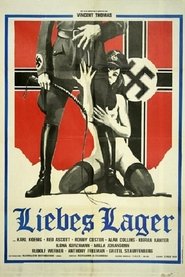
Liebes Lager
1976
star 2In a Nazi concentration camp, German soldiers shamelessly abuse the inmates, mocking and brutalizing them. But the prisoners never give up on the violence they have suffered, convinced that they can rebel and take revenge.Agnus Dei
1971
Agnus Dei
1971
star 4.2Allegory of the suppression of the 1919 revolution and the advent of fascism in Hungary; in the countryside, a unit of the revolutionary army spares the life of father Vargha, a fanatical priest. He comes back and leads massacres. A new force, represented by Feher, apparently avenges the people, but only to impose a different, more refined and effective kind of repression.When the Mountains Tremble
1983
star 9.5A documentary on the war between the Guatemalan military and the Mayan population, with first hand accounts by Nobel Peace Prize winner Rigoberta Menchú.The Mediterranean In Flames
1972
star 5.4A volunteer from a World War II-era Greek resistance group agrees to seduce a German officer in order to gain secrets