Top Rated Documentary Movies on Tub Tv - Page 256
All Services
Free Services
 Netflix
 Amazon Prime Video
 Apple iTunes
 Apple TV Plus
 Disney Plus
 Google Play Movies
 Paramount Plus
 Hulu
Hulu
 HBO Max
 YouTube
 fuboTV
 Peacock
 Peacock Premium
 Amazon Video
 The Roku Channel
 AMC+
AMC on Demand
AMC+
AMC on Demand
 Kocowa
 Hoopla
 The CW
 Vudu
Vudu
 Starz
Starz
 Showtime
 PBS
PBS
 Pantaflix
 FXNow
FXNow
 Tubi TV
 Kanopy
 Comedy Central
 Crunchyroll
 Microsoft Store
 Redbox
 Sun Nxt
 ABC
ABC
 DIRECTV
 Crackle
 Fandor
 Plex
Plex
Netflix
Amazon Prime Video
Apple iTunes
Apple TV Plus
Disney Plus
Google Play Movies
Paramount Plus
Hulu
HBO Max
YouTube
fuboTV
Peacock
Peacock Premium
Amazon Video
The Roku Channel
AMC+
AMC on Demand
Kocowa
Hoopla
The CW
Vudu
Starz
Showtime
PBS
Pantaflix
FXNow
Tubi TV
Kanopy
Comedy Central
Crunchyroll
Microsoft Store
Redbox
Sun Nxt
ABC
DIRECTV
Crackle
Fandor
Plex

The Case of the Grinning Cat
2006
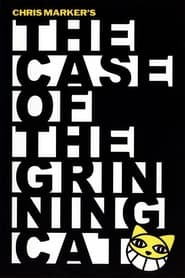
star 6.9Chris Marker’s The Case of the Grinning Cat (Chats perchés) follows the appearance of the yellow M. Chat graffiti across Paris in the early 2000s, using it as a lens to reflect on art, protest, and politics in the post-9/11 era. Blending street imagery with footage of global and local unrest, the film serves as a playful yet pointed companion to Marker’s earlier A Grin Without a Cat.The Movie Orgy
1968
The Movie Orgy
1968
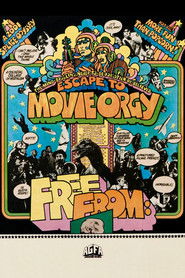
star 6.3Clips from assorted television programs, B-movies, commercials, music performances, newsreels, bloopers, satirical short films and promotional and government films of the 1950s and 1960s are intercut together to tell a single story of various creatures and societal ills attacking American cities.Anna
1993
Anna
1993
star 4.9Director Nikita Mikhalkov documents the history of Russia from 1980 to 1991 by annually asking his daughter Anna such questions as "What do you love the most?", "What scares you the most?", "What do you want above anything" and "What do you hate the most?"London
1994
London
1994
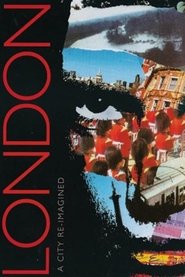
star 6.6A psycho-geographic journey through London and its history, as undertaken by an unseen narrator and his companion, Robinson, at the time of the 1992 general election.Titanoboa: Monster Snake
2012
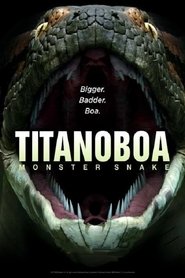
star 7.3In the pantheon of predators, it's one of the greatest discoveries since the T-Rex: a snake 48 feet long, weighing in at 2,500 pounds. Uncovered from a treasure trove of fossils in a Colombian coal mine, this serpent is revealing a lost world of giant creatures. Travel back to the period following the extinction of dinosaurs and encounter this monster predator.To Die in Madrid
1963
To Die in Madrid
1963
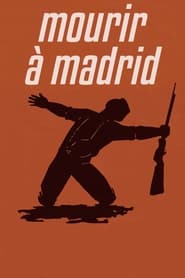
star 7.5Morir en Madrid brings together several papers on the Spanish Civil War and integrates capturing different points of view, intended to represent the continuity of the suffering of the Spanish during the Franco regime. The death of Federico Garcia Lorca, Guernica, the defense of Madrid, the International Brigades, are some of the items comprised in this document.Shocking Asia
1974
Shocking Asia
1974
star 6High on shock and light on cultural relativism, this mondo collection of video strangeness features assorted dead (or dying) people, a sex change operation, inexplicable sex acts, and a bunch of other stuff the producers' could get the rights to cheaply.Basic Training
1971
Basic Training
1971
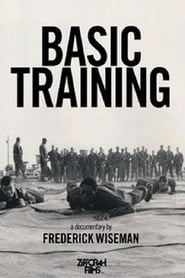
star 6.6Shot during the summer of 1970 at Fort Knox, Kentucky, Frederick Wiseman’s film Basic Training focuses on a group of men going through infantry training, showing how they are turned from civilians into soldiers. As well as being a unique portrait of the US army at work, the film is also a fascinating snapshot of a time and place at a defining moment in American history.Oriental Elegy
1996
Oriental Elegy
1996
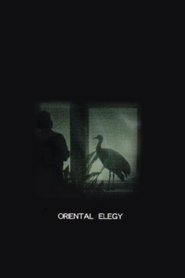
star 6.1A surreal journey of a displaced spirit as he wanders in the interminable darkness through the temporal landscape of a quaint and isolated feudal-era fishing village. Guided by a series of faintly illuminated rooms, the wandering spirit comes upon ancient souls who take on physical forms as they recount their personal stories of daily existence, loss, and tragedy in the peasant community. Intrigued by his initial visit to a curiously distracted elderly woman, the spirit returns to her home in order to ask a fundamental question - "What is happiness?" - an existential query that is innocently answered with innate humility and accepted unknowingness.Mouse Heaven
2004
Thou Shalt Not: Sex, Sin and Censorship in Pre-Code Hollywood
2008
star 6.1A look at the forces that shaped Pre-Code Hollywood and brought about the strict enforcement of the Hays Code in 1934.Terminal Bar
2003
Terminal Bar
2003
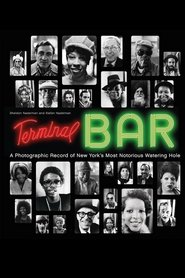
star 6.1A fascinating pictorial history of a New York City bar whose customers, from the hard-drinking working class Irish to the coiffed African American gay male, continually transform its focus during its 10-year reign.Mission to Lars
2015
Mission to Lars
2015
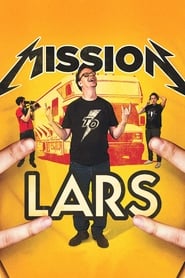
star 5.7Kate and Will Spicer's brother, Tom, has Fragile X Syndrome, the most common form of inherited learning disability. He is also a massive fan of Lars Ulrich from Metallica. They made a promise to Tom that they would get him to meet Lars. Tom's dream is their promise. Together they went on a Mission to Lars.Pink Floyd London '66-'67
2005
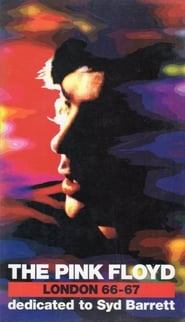
star 6.7Shot by movie maestro Peter Whitehead, this film features rare full length performances from the classic late 60's Pink Floyd line-up at Sound Techniques London & material from the legendary '14 hour Technicolor Dream' extravaganza in April '67 at Alexandra Palace.ChickenHawk
1994
ChickenHawk
1994
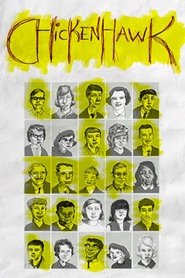
star 5.9Members of the controversial group NAMBLA (North American Man/Boy Love Association) discuss why their organization supports "boys and men who have or desire engagements in sexual or emotional relationships."God Is the Bigger Elvis
2012
star 6.7The Oscar®-nominated documentary about a promising young actress who left Hollywood to become a nun.Dong
2006
Dong
2006
star 5.5Jia Zhangke travels with painter Liu Xiaodong from China to Thailand as they as they meet everyday workers in the throes of social turmoil. Liu Xiaodong is well-known for his monumental canvases, particularly those inspired by China's Three Gorges Dam project. Jia Zhangke visits Liu on the banks of Fengjie, a city about to be swallowed up by the Yangtze River. The area is in the process of being "de-constructed" by armies of shirtless male workers who form the subject of Liu's paintings. Liu and Jia next travel to Bangkok, where Liu paints Thai sex workers languishing in brothels. The two sets of paintings are united in their subjects' shared sense of malaise in the face of the dehumanizing labor afforded them.Satanis: The Devil's Mass
1970
star 5.2The film is a study of Anton Szandor LaVey, leader of a cult of devil worshipers in San Francisco. He and his Church of Satan are shown performing a black mass, in which a nude woman serves as an altar and a boa constrictor wraps itself around a naked witch. Newsreel footage is included in which LaVey's neighbors are interviewed about the lion which he kept in his house until complaints resulted in the animal's removal to a zoo. The ideology of the Church of Satan is discussed--guilt rejection, sexual freedom, and self-indulgence.Fightville
2011
Fightville
2011
star 6FIGHTVILLE is about the art and sport of fighting: a microcosm of life, a physical manifestation of that other brutal contest called the American Dream...Near Death
1989
Near Death
1989
star 7NEAR DEATH is a film about the Medical Intensive Care Unit at Boston's Beth Israel Hospital. The film is concerned with how people face death. More specifically the film presents the complex interrelationships among patients, families, doctors, nurses, hospital staff and religious advisors as they confront the personal, ethical, medical, psychological, religious and legal issues involved in making decisions about whether or not to give life-sustaining treatment to dying patients.