Top Rated Documentary Movies on Tub Tv - Page 342
All Services
Free Services
 Netflix
 Amazon Prime Video
 Apple iTunes
 Apple TV Plus
 Disney Plus
 Google Play Movies
 Paramount Plus
 Hulu
Hulu
 HBO Max
 YouTube
 fuboTV
 Peacock
 Peacock Premium
 Amazon Video
 The Roku Channel
 AMC+
AMC on Demand
AMC+
AMC on Demand
 Kocowa
 Hoopla
 The CW
 Vudu
Vudu
 Starz
Starz
 Showtime
 PBS
PBS
 Pantaflix
 FXNow
FXNow
 Tubi TV
 Kanopy
 Comedy Central
 Crunchyroll
 Microsoft Store
 Redbox
 Sun Nxt
 ABC
ABC
 DIRECTV
 Crackle
 Fandor
 Plex
Plex
Netflix
Amazon Prime Video
Apple iTunes
Apple TV Plus
Disney Plus
Google Play Movies
Paramount Plus
Hulu
HBO Max
YouTube
fuboTV
Peacock
Peacock Premium
Amazon Video
The Roku Channel
AMC+
AMC on Demand
Kocowa
Hoopla
The CW
Vudu
Starz
Showtime
PBS
Pantaflix
FXNow
Tubi TV
Kanopy
Comedy Central
Crunchyroll
Microsoft Store
Redbox
Sun Nxt
ABC
DIRECTV
Crackle
Fandor
Plex

Death Mills
1945
Death Mills
1945
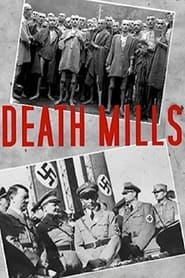
star 6.5Originally made with a German soundtrack for screening in occupied Germany and Austria, this film was the first documentary to show what the Allies found when they liberated the Nazi extermination camps: the survivors, the conditions, and the evidence of mass murder. The film includes accounts of the economic aspects of the camps' operation, the interrogation of captured camp personnel, and the enforced visits of the inhabitants of neighboring towns, who, along with the rest of their compatriots, are blamed for complicity in the Nazi crimes - one of the few such condemnations in the Allied war records.Main Street on the March!
1941
star 5.6This Best Short Subject Academy Award winning film begins in the spring of 1940, just before the Nazi occupation of the Benelux countries, and ends immediately after the Japanese attack on Pearl Harbor. It chronicles how the people of "Main Street America", the country's military forces, and its industrial base were completely transformed when the decision was made to gear up for war. Original footage is interspersed with contemporary newsreels and stock footage.Teddy the Rough Rider
1940
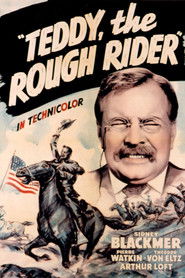
star 6.7This short follows the political career of Theodore Roosevelt, beginning in 1895, when he was appointed police commissioner of New York City. In 1897 he was appointed Assistant Secretary of the Navy. His charge up San Juan Hill during the Spanish-American War in 1898 is re-created. He becomes vice president in March 1901 and assumes the presidency when William McKinley is assassinated six months later. According to the narrator, Roosevelt refused to be beholden to political bosses, doing what he believed to be right for the American people.Asier ETA biok
2014
Asier ETA biok
2014
star 6.4Asier and I grew up in the Basque Country. But one day he disappeared, later I found out he had joined ETA.The Possibility of Hope
2007
star 5.6A look at different matters of the world such as immigration, global warming and capitalism through the eyes of scientists and philosophers.Oratorio for Prague
1968
Oratorio for Prague
1968
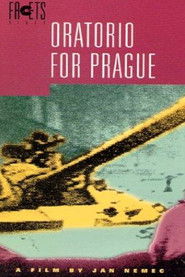
star 7.1Filmmaker Jan Nemec and his crew risked their lives to create this historic documentary account of the 1968 Soviet invasion of Czechoslovakia. The award-winning work is the only filmed record of the invasion. Oratorio for Prague began as a study of the liberalization of Czechoslovakia and then continued when the Russian forces moved in. The gripping footage was broadcast by television, providing the first report of the event. In addition to the news footage, the film features never-before-viewed scenes taken prior to the invasion that crushed Prague's anti-Communist movement.Harbour of Hope
2011
Harbour of Hope
2011
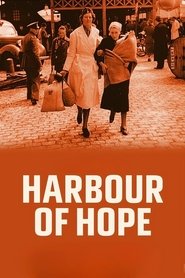
star 5.4In 1945 Irene, Ewa and Joe were among the nearly 30,000 survivors rescued from German concentration camps to the peaceful harbour town Malmö, Sweden. Here they started life again.Investigation on The Night That Won't Forget
2012
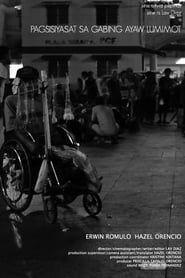
star 5.9Erwin Romulo, the late Alexis Tioseco’s best friend, recalls the events after the critic and his girlfriend Nika Bohinc’s untimely death in their home in Quezon City. Diaz makes use of one long take to allow Romulo an uninterrupted narration of the events. The pain of recalling is palpable.Buying Sex
2013
Buying Sex
2013
star 6.4Timely and wise, this feature documentary explores the state of prostitution laws in Canada. Buying Sex captures the complexity of the issue by listening to the frequently conflicting voices of sex workers, policy-makers, lawyers and even the male buyers who make their claim for why prostitution is good for society. Examining the realities in Sweden and New Zealand, and respecting the differences of ideology as Canada works its way toward an uneasy consensus, the film challenges us to think for ourselves and offers a gripping and invaluable account of just what is at stake for all of us.Cinerama Adventure
2002
Cinerama Adventure
2002
star 7.6A nostalgic and compelling look into the legendary three camera, three projector process that revolutionized motion pictures and led the industry into the widescreen era.BNSF
2013
The Human Behavior Experiments
2006
star 7.5Most people never have to face the fact that at the right time and right place, they're capable of anything," says John Huston's character, Noah Cross, in the movie Chinatown -- dialogue that seems especially apt watching this engrossing docu collaboration to be simulcast by Sundance Channel and Court TV. Following up on their "First Amendment Project," the cable nets tap filmmaker Alex Gibney (Enron: The Smartest Guys in the Room) to craft this thought-provoking examination of three controversial psychological studies whose chilling results still resonate today.Disrupted
2013
Disrupted
2013
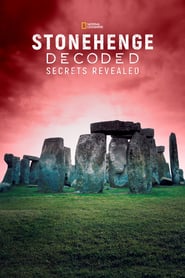
star 6.6The memory and testimony of two characters: Fernando García, known as Pinolito, who was a child actor in the seventies and Doña Lilia Ortega, his mother, an actress. Fernando came out as a transvestite, some years ago, and now calls himself Coral Bonelli. They live together in Garibaldi yearning for their past in the movies, while Coral bravely comes to terms with her gender identity. They both still perform.Stonehenge: Decoded
2008
Stonehenge: Decoded
2008
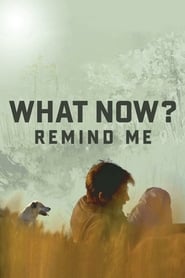
star 6Stonehenge Decoded presents world renowned archaeologists as they reveal a revolutionary new theory about who built Stonehenge and why.What Now? Remind Me
2014
What Now? Remind Me
2014
star 5.4Joaquim Pinto has been living with HIV and VHC for almost twenty years. “What now? Remind Me” is the notebook of a year of clinical studies with toxic, mind altering drugs as yet unapproved. An open and eclectic reflection on time and memory, on epidemics and globalization, on survival beyond all expectations, on dissent and absolute love. In a to-and-fro between present and past memories, the film is also a tribute to friends departed and those who remain.Evolution vs. God
2013
Evolution vs. God
2013
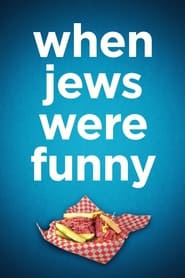
star 4.3Many believe that Darwinian evolution is a scientific fact. This movie shows it is unscientific by interviewing evolutionary scientists from UCLA and USC as well as biology majors.When Jews Were Funny
2013
When Jews Were Funny
2013
star 6.5From the 1930's to the 1970's, pretty well every comedian or comic you might see on TV or the movies was Jewish. Jews came to dominate the world of western‐society comedy on radio, stage and screen alike.Why did Jews dominate comedy in this period? And why did that domination end? Were Jews just funnier back then? And if so, did that extend to your average Jew on the street? In this 90 minute documentary acclaimed director Alan Zweig will examine these questions and many others in this exploration of 20th century humour, cultural decay, and a search for a missing heritage.Oil Gush Fire in Bibiheybat
1898
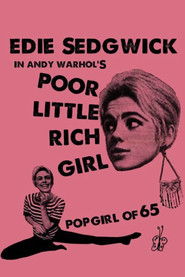
star 5.5The film was filmed in Bibi-Heybat, a suburb of Baku (now the capital of Azerbaijan), during a fire at the Bibi-Heybat oil field. The film was shot on 35mm film by the Lumiere brothers in 1898. On August 2 of the same year, a demonstration of Alexander Michon's program took place, which included the film "Fire at an oil fountain in Bibiheybat".Poor Little Rich Girl
1965
star 6.1A young, jobless woman stays in bed, reads, talks on the phone, smokes cigarettes, makes fresh coffee, and tries on some clothes from a large wardrobe.