Top Rated Documentary Movies on Tub Tv - Page 343
All Services
Free Services
 Netflix
 Amazon Prime Video
 Apple iTunes
 Apple TV Plus
 Disney Plus
 Google Play Movies
 Paramount Plus
 Hulu
Hulu
 HBO Max
 YouTube
 fuboTV
 Peacock
 Peacock Premium
 Amazon Video
 The Roku Channel
 AMC+
AMC on Demand
AMC+
AMC on Demand
 Kocowa
 Hoopla
 The CW
 Vudu
Vudu
 Starz
Starz
 Showtime
 PBS
PBS
 Pantaflix
 FXNow
FXNow
 Tubi TV
 Kanopy
 Comedy Central
 Crunchyroll
 Microsoft Store
 Redbox
 Sun Nxt
 ABC
ABC
 DIRECTV
 Crackle
 Fandor
 Plex
Plex
Netflix
Amazon Prime Video
Apple iTunes
Apple TV Plus
Disney Plus
Google Play Movies
Paramount Plus
Hulu
HBO Max
YouTube
fuboTV
Peacock
Peacock Premium
Amazon Video
The Roku Channel
AMC+
AMC on Demand
Kocowa
Hoopla
The CW
Vudu
Starz
Showtime
PBS
Pantaflix
FXNow
Tubi TV
Kanopy
Comedy Central
Crunchyroll
Microsoft Store
Redbox
Sun Nxt
ABC
DIRECTV
Crackle
Fandor
Plex

Color Adjustment
1992
Color Adjustment
1992
star 6.9From Amos 'n' Andy to Nat King Cole, from Roots to The Cosby Show, black people have played many roles on primetime television. Brilliantly weaving clips from classic TV shows with commentary from TV producers, black actors and scholars, Marlon Riggs blends humor, insight, and thoughtful analysis to explore the evolution of black/white relations as reflected by America's favorite addiction.A Soldier's Dream
1995
A Soldier's Dream
1995
star 4.5This small film came out of the material edited for Sokurov's five-hour documentary Spiritual Voices.Desert Runners
2013
Desert Runners
2013
star 7.1An aging Irish businessman, an aspiring Australian actress, a retired American baseball player and a widowed British bodyguard attempt to complete the four most difficult ultra marathon races on Earth-- a goal previously only attempted by professional athletes. The four races bring them to the world's most picturesque and brutal deserts in Chile, China, Egypt and Antarctica, where they will push their bodies, minds and spirits to their limits. Desert Runners chronicles the intense, year-long journey of these dedicated runners and the many obstacles that they face - both expected and unexpected,external and internal - and provides an intimate view into the complex ways human beings deal with heartbreak and triumph.The Letter
2013
The Letter
2013
star 5.9A remote village in the Northwest of Russia. A mental asylum is located in an old wooden house. The place and its inhabitants seem to be untouched by civilization. In this pristine setting, no articulate human voice is heard, and pain is muted. The landscapes and buildings are not so much inhabited as lightly entwined and then passed through by their anonymous residents, like some creeping mist. Phantoms half stuck, half undone in a phantom world—lost persons from a lost society?The Silence of Pelešjan
2011
star 5.8A documentary about the Armenian avant-garde filmmaker, Artavazd Pelešjan.Complicated Women
2003
Complicated Women
2003
star 6.7Looks at the stereotype-breaking films of the period from 1929, when movies entered the sound era, until 1934 when the Hays Code virtually neutered film content. No longer portrayed as virgins or vamps, the liberated female of the pre-code films had dimensions. Good girls had lovers and babies and held down jobs, while the bad girls were cast in a sympathetic light. And they did it all without apology.Nat Turner: A Troublesome Property
2003
star 6.1In 1831, Nat Turner led a slave rebellion in the United States that resulted in the murder of local slave owners and their families, the eventual execution of 55 rebels and the retribution lynching of more than 200 innocent slaves. Nat Turner: A Troublesome Property examines how the story of Turner’s revolt has been interpreted throughout history and how it continues to raise new questions about the nature of terrorism and other forms of violent resistance to oppression. The film adopts an innovative structure by interspersing documentary footage and interviews with dramatizations of these different versions of Turner’s story. A unique collaboration between MacArthur Genius Award feature director Charles Burnett, acclaimed historian of slavery Kenneth S. Greenberg and Academy Award-nominated documentary producer Frank Christopher, Nat Turner is a compelling look at one of history’s most mysterious figures.The Flute and the Arrow
1957
star 6.7Arne Sucksdorff’s ethnographic feature documents the life and rituals of the Muria people in the Bastar jungle of central India, focusing on their traditions, music, and relationship to the natural environment. Presented with Sucksdorff’s lyrical visual style, the film was selected for the 1958 Cannes Film Festival.How to Grow a Planet
2012
How to Grow a Planet
2012
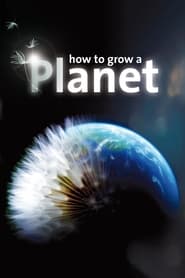
star 8.8Geologist Ian Stewart explain in three stages of natural history the crucial interaction of our very planet's physiology and its unique wildlife. Biological evolution is largely driven bu adaptation to conditions such as climate, soil and irrigation, but biotopes were also shaped by wildlife changing earth's surface and climate significantly, even disregarding human activity.Smash and Grab: The Story of the Pink Panthers
2013
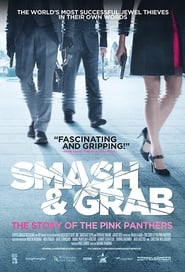
star 5.6The Pink Panthers have stolen over £270m in diamonds in more than 241 robberies in cities from Paris to Tokyo. The film explores the rise of the group during the 1990s Balkan conflict when economic sanctions imposed on Serbia fueled illegal activities. The criminals reveal an underworld driven by fast wealth and paranoia, while the detectives and inspectors, who are working with Interpol, are on a mission to stop their crime spree with growing success.Sex/Life in L.A.
1998
Dangerous Living: Coming Out in the Developing World
2003
star 4.3A feature-length documentary that explores the immense changes that occurred for gays, lesbians and transgender people living in the Global South. In the last decade of the 20th Century, a new heightened visibility began spreading throughout the developing world and the battles between families, fundamentalist religions, and governments around sexual and gender identity had begun. But in the West, few people knew about this historic social upheaval, until 52 men on Cairo’s Queen Boat discothèque were arrested for crimes of debauchery. That explosive story focused attention to the lives and trials of gay people coming out in the developing world and the film chronicles those events.Eiffel Tower from Trocadero Palace
1900
star 4.2The single camera position is from the top of a building identified as the Trocadero Palace; The camera is pointed toward the Eiffel Tower. The film shows only up to the first arch of the Eiffel Tower.Twin Towers
2003
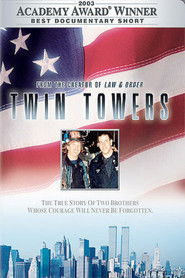
Twin Towers
2003
star 6.1Winner of the 2002 Oscar for Best Documentary Short Subject, this film chronicles the aftermath of the terrorist attacks on the World Trade Towers. Filmmakers Bill Guttentag and Robert David Port joined Harlem police as they arrived at the chaotic scene after jet airplanes had struck the two buildings. The film captures the harrowing reality of the attacks as the officers cope with disbelief and fear while remaining focused on saving lives.Ballet Libella
1897
Départ de cyclistes
1896
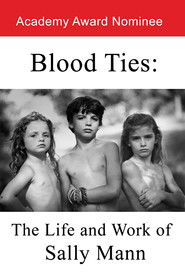
Blood Ties: The Life and Work of Sally Mann
1994
star 4.9An intimate portrait of the photographer and the complex, enigmatic pictures she takes of her children.No Man's Land
2012
No Man's Land
2012
star 6.3Us to the fascinating, disturbing, ghostly figure of Paulo de Figueiredo, professional mercenary soldier, from the sixties, played the hired liquidator task in diverse corners of the world.