Top Rated Documentary Movies on Tub Tv - Page 348
All Services
Free Services
 Netflix
 Amazon Prime Video
 Apple iTunes
 Apple TV Plus
 Disney Plus
 Google Play Movies
 Paramount Plus
 Hulu
Hulu
 HBO Max
 YouTube
 fuboTV
 Peacock
 Peacock Premium
 Amazon Video
 The Roku Channel
 AMC+
AMC on Demand
AMC+
AMC on Demand
 Kocowa
 Hoopla
 The CW
 Vudu
Vudu
 Starz
Starz
 Showtime
 PBS
PBS
 Pantaflix
 FXNow
FXNow
 Tubi TV
 Kanopy
 Comedy Central
 Crunchyroll
 Microsoft Store
 Redbox
 Sun Nxt
 ABC
ABC
 DIRECTV
 Crackle
 Fandor
 Plex
Plex
Netflix
Amazon Prime Video
Apple iTunes
Apple TV Plus
Disney Plus
Google Play Movies
Paramount Plus
Hulu
HBO Max
YouTube
fuboTV
Peacock
Peacock Premium
Amazon Video
The Roku Channel
AMC+
AMC on Demand
Kocowa
Hoopla
The CW
Vudu
Starz
Showtime
PBS
Pantaflix
FXNow
Tubi TV
Kanopy
Comedy Central
Crunchyroll
Microsoft Store
Redbox
Sun Nxt
ABC
DIRECTV
Crackle
Fandor
Plex

Chelsea on the Rocks
2008
Chelsea on the Rocks
2008
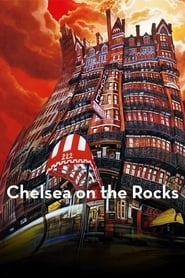
star 5.6Chelsea on the Rocks celebrates the personalities and artistic voices that have emerged from New York’s legendary Chelsea Hotel. Once considered an untouchable, impenetrable tower for writers, artists, musicians and mavericks, it has been recently claimed as a boutique hotel venture for a management company that shows disregard for its formidable history. –Cannes Film FestivalFélix Mayol Performs "White Lilacs"
1905
star 4.9Felix Mayol performs Théodore Botrel's 'Lilas-blanc'.The Art of Action: Martial Arts in the Movies
2002
star 5.7Hosted by Samuel L. Jackson, this in-depth documentary offers viewers a behind-the-scenes look at the history of the martial arts film -- from the genre's rebellious beginnings to high-flying modern epics. Jackson takes you through the best moments of 100 movies, including Charlie's Angels and Oscar winner Crouching Tiger, Hidden Dragon. Interviews with martial arts film veterans Sammo Hung, John Woo and Ang Lee round out the video.Half a Life
1982
Half a Life
1982
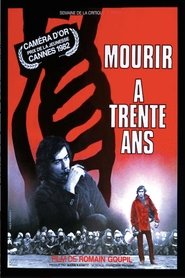
star 5.8Michel Recanati was a militant leader in the May, 1968 riots in Paris, organizing many groups to meet, discuss, and act on leftist principles both before and after the disturbances. He was imprisoned for a short while in 1973. Disillusioned after the failure of the demonstrations and the death of the only woman he had loved, his life seems to have changed from a period of hope and activism to one of bottomless despair. His friend, Romain Goupil wrote and directed this biographical documentary. Death at 30 received the 1982 Cannes Film Festival's Golden Camera Award for "Best First Feature-Length Film."We Are the Lambeth Boys
1959
star 6.6Seminal piece of documentary filmmaking by New Wave director Karel Reisz following the daily activities of members of the Lambeth Youth club in late-1950s London.Il profeta del gol
1976
Il profeta del gol
1976
star 7.1The documentary narrates the successes of the Dutch champion Johan Cruyff (three times winner of the Ballon d'Or), which in the seventies was a symbol of the great Dutch national soccer team, and representative of the so-called total soccer, expressed during the two World Finals in Monaco 1974 and Argentina 1978The Death of Pinochet
2011
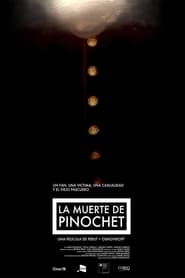
star 4.8On December 10th, 2006, General Pinochet dies unexpectedly at Santiago's Military Hospital. His decease triggers a 24 hours revival of political divisions that marked with violence and death Chilean recent history. With high quality original footage and testimonies of four characters that deeply experienced a journey of strong contrasts and surrealistic nuances, the film narrates in an innovative, exciting way the ending of a key chapter in Chilean history.Tattooed Tears
1979
Tattooed Tears
1979
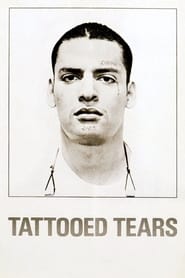
star 4.5An intimate, hands on encounter with a maximum security juvenile correctional facility in Chino California.Ballplayer: Pelotero
2011
Ballplayer: Pelotero
2011
star 6.2Two top baseball prospects in the Dominican Republic face fierce competition and corruption as they chase their big league dreams.Sky Above and Mud Beneath
1961
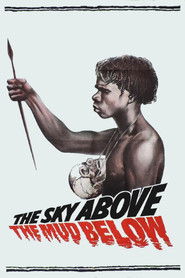
star 5.5In September, 1959, six Europeans leave Cook's Bay on the southern coast of Dutch New Guinea, now West Papua or Irian Jaya, to trek north to the far side of the island. The journey (450 miles, as a crow flies) across unmapped territory took seven months; three Muyu porters died. Near both coasts, the expedition met villagers who invited them to observe rituals and live with them. In the interior, all villagers kept them at bay, and they depended on air lifts from Hollandia for food and supplies. They climbed above 10,000 feet, built 14 bridges, and fought leeches and malaria. The narrator focuses on describing Stone Age savages, headhunters, and cannibals.White Wilderness
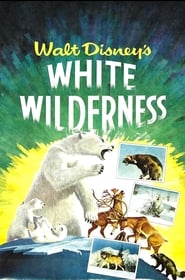
1958
Place de la République
1974
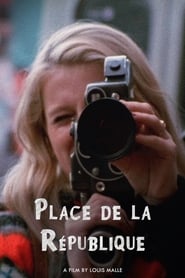
star 6.7Louis Malle presents his entertaining snapshot of the comings and goings on one street corner in Paris.A Human Condition
1974
A Human Condition
1974
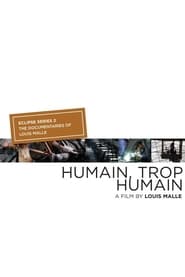
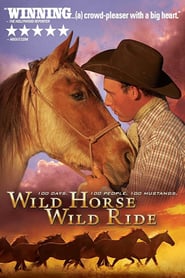
star 5.7Louis Malle’s meditative investigation of the inner workings of a French automotive plant.Wild Horse, Wild Ride
2012
star 8.5100 Days. 100 gritty souls. 100 wild mustangs. That's the premise of the annual Extreme Mustang Makeover, a competition that challenges horse trainers - both pros and amateurs - to each tame a totally wild horse in order to get it adopted into a better life beyond U.S. Government corrals. Intimately following a handful of participants in the 2009 event from their first uneasy meeting with their horses and up through the competition and adoption, the film documents the deep and profound bonds that can develop between man and beast.At Night I Fly
2011
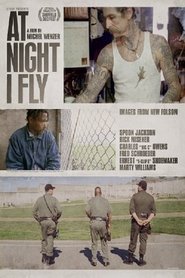
At Night I Fly
2011
star 5.2In At Night I Fly: Images from New Folsom, inmates at one of California's most maximum security prisons let us see their world. This world is less about dangerous drama and more, as one of them describes, "about isolation. About closure of both the mind and the heart. And the spirit." The documentary shows prisoners, most serving a life sentence, who refuse such closure and instead work to uncover and express themselves. Their primary tool is making art and the film takes us to New Folsom's Arts in Corrections' room, to prison poetry readings, gospel choirs, blues guitar on the yard, and to many more scenes of creation.Route One/USA
1989
Route One/USA
1989
star 7.3Route One is the first major U.S. highway. 5000 km along the Atlantic coast, from the Canadian border to the tip of Florida. Doc, a physician who spent many years in Africa, returns to the U.S. and decides to reconnect with his home country by walking the legendary Route One.Lion Hunting
1908
Lion Hunting
1908
star 4.3Two hunters set out on safari with their African guide. They observe zebras, an ostrich, and a hippopotamus, capture a monkey, and camp for the night. After a lion kills their goat and horse, they shoot it by the water’s edge and later kill a second. The animals are skinned, and the hunters relax with cigarettes beside their trophies. (Note: Produced by Nordisk Film in 1907, Løvejagten gained notoriety because founder Ole Olsen purchased lions from Copenhagen Zoo, released them on an island, and filmed their killing. Supplemented with zoo footage to simulate Africa, the film caused public outrage yet drew huge audiences, establishing Nordisk’s reputation worldwide.)Seal Island
1948
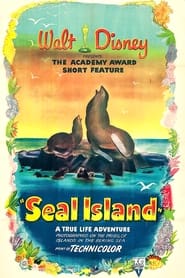
Seal Island
1948
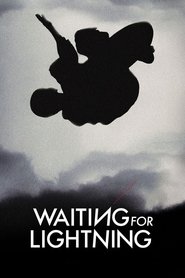
star 7.3Seal Island is a 1948 American documentary film directed by James Algar. It won an Academy Award in 1949 for Best Short Subject (Two-Reel).Waiting for Lightning
2012
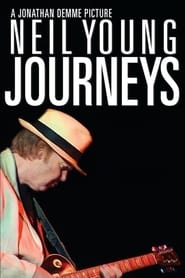
star 5.8Documentary about the life of skateboarder Danny Way and his attempt at jumping over the Great Wall of China on a skateboard.Neil Young Journeys
2012
Neil Young Journeys
2012
star 7.1In May of 2011, Neil Young drove a 1956 Crown Victoria from his idyllic hometown of Omemee, Ontario to downtown Toronto's iconic Massey Hall where he intimately performed the last two nights of his solo world tour. Along the drive, Young recounted insightful and introspective stories from his youth to filmmaker Jonathan Demme. Through the tunes and the tales, Demme portrays a personal, retrospective look into the heart and soul of the artist.