Top Rated Documentary Movies on Tub Tv - Page 349
All Services
Free Services
 Netflix
 Amazon Prime Video
 Apple iTunes
 Apple TV Plus
 Disney Plus
 Google Play Movies
 Paramount Plus
 Hulu
Hulu
 HBO Max
 YouTube
 fuboTV
 Peacock
 Peacock Premium
 Amazon Video
 The Roku Channel
 AMC+
AMC on Demand
AMC+
AMC on Demand
 Kocowa
 Hoopla
 The CW
 Vudu
Vudu
 Starz
Starz
 Showtime
 PBS
PBS
 Pantaflix
 FXNow
FXNow
 Tubi TV
 Kanopy
 Comedy Central
 Crunchyroll
 Microsoft Store
 Redbox
 Sun Nxt
 ABC
ABC
 DIRECTV
 Crackle
 Fandor
 Plex
Plex
Netflix
Amazon Prime Video
Apple iTunes
Apple TV Plus
Disney Plus
Google Play Movies
Paramount Plus
Hulu
HBO Max
YouTube
fuboTV
Peacock
Peacock Premium
Amazon Video
The Roku Channel
AMC+
AMC on Demand
Kocowa
Hoopla
The CW
Vudu
Starz
Showtime
PBS
Pantaflix
FXNow
Tubi TV
Kanopy
Comedy Central
Crunchyroll
Microsoft Store
Redbox
Sun Nxt
ABC
DIRECTV
Crackle
Fandor
Plex

Nogent, Eldorado du dimanche
1929
star 6.4A short, early travel documentary about Nogent. The film starts with images of trains, buses, and railway tracks, which are juxtaposed to shots of deserted Paris streets, empty factories, and typewriters packed in slipcovers. It is a natural landscape organized by industrial infrastructure and populated by the urban crowds who are swimming, rowing, canoeing, sailing, fishing, or biking.Giant Coal Dumper
1897
Giant Coal Dumper
1897
star 5.7“Shows how a full carload of coal is loaded onto a vessel every thirty seconds at the great Erie Railroad Docks, Cleveland, Ohio. Great clouds of coal dust rise as each car is unloaded.”The Sea Around Us
1953
The Sea Around Us
1953
star 5.9Irwin Allen explores the mysteries of the deep blue sea in this Technicolor documentary. Based on Rachel L. Carson's famous study, this Oscar winning project investigates everything under the sea, from sharks, whales and octopuses to microscopical creatures and their coexistence in this vast underwater world.Lenny Bruce: Swear to Tell the Truth
1998
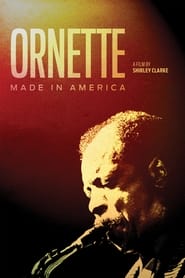
star 7.7In 1948, Lenny Bruce was just another comic who couldn't get arrested. By 1961, all that would change.Ornette: Made in America
1986
star 6.3Shirley Clarke's frenetic documentary about multi-talented musician Ornette Coleman.Golden Slumbers
2011
Golden Slumbers
2011
star 6.5Over three million Cambodians died in the genocide between 1975 and 1979. The Khmer Rouge’s reign of terror also decimated a homegrown film industry that had flourished since 1960: movie theaters were bombed, film prints were destroyed and artists were executed. In Golden Slumbers, French-Cambodian filmmaker Davy Chou mourns this loss of lives and culture, but balances the somber material with a playfulness that honors the lush melodramas and mythic adventures of the glory years.Disorder
2009
Disorder
2009
star 7A "city symphony" full of dark humor that weaves together a collage of absurd sounds and events.Carcasses
2009
Carcasses
2009
star 6.6An introverted man runs a "car cemetery" where people come to find parts for old vehicles.William Buys a Parrot
1963
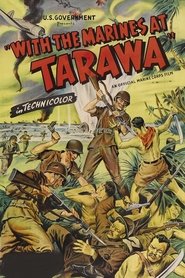
star 6.1A bizarre silent short film showing author William S. Burroughs negotiating to buy a parrot.With the Marines at Tarawa
1944
star 6.9Documentary short film depicting the harrowing battle between the U.S. Marines and the Japanese for control of the Pacific island of Tarawa. Preserved by the Academy Film Archive in partnership with National Archives and Records Administration in 2005.Chely Wright: Wish Me Away
2012
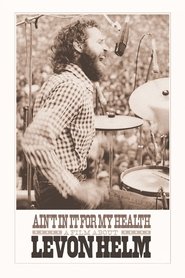
star 4.5After a lifetime of hiding, Chely Wright becomes the first commercial country music singer to come out as gay, shattering cultural stereotypes within Nashville, per conservative heartland family and, most importantly, within herself. With unprecedented access over a two-year period, including her private video diaries, the film layers Chely's rise to fame while hiding in the late 90's with the execution of her coming out plan, culminating in the exciting moment when she steps into the media glare to reveal she is gay. The film shows both the devastation of internalized homophobia and the transformational power of living an authentic life. The film also documents the conflicting responses from Nashville, the heartland and the LGBT community as Chely Wright prepares for an unknown future.Ain't in It for My Health: A Film About Levon Helm
2010
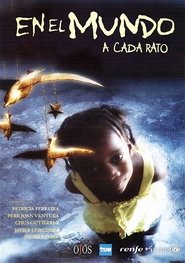
star 6.2Starting with the image of a tour bus warming its engine in the stillness of an empty lot, this haunting, personal portrait of music legend Levon Helm evokes the mood of a lifetime spent on the road. Jacob Hatley's extraordinarily intimate documentary finds Helm, a founding member of The Band, at home in Woodstock in the midst of creating his first studio album in 25 years. The ultimate survivor, he's overcome drugs, bankruptcy, the bitter breakup of The Band and a bout of throat cancer -but then, as the rueful title indicates, he wasn't in it for his healthEvery So Often in the World...
2004
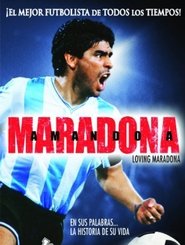
star 7Five documentary shorts about various children from the third world.Loving Maradona
2005
Loving Maradona
2005
star 6.2What do they have in common a boy playing in a field of Villa Fiorito and the owner of a bar in Naples? What do they have in common 500 people celebrating Christmas on October 30 and 25 football fans showing their tattoos? They are all loving Maradona.Code 2600
2011
Code 2600
2011
star 7CODE 2600 documents the rise of the Information Technology Age as told through the events and people who helped build and manipulate it.Seventeen
1983
Seventeen
1983
star 6In their final year at Muncie's Southside High School, a group of seniors hurtles toward maturity with a combination of joy, despair, and an aggravated sense of urgency. They are also learning a great deal about life, both in and out of school, and not what school officials think they are teaching.The Beginning or the End
1947
star 6.1The research, development, and deployment of the first atomic bomb, as well as the bombing of Hiroshima, are detailed in this docudrama.The Hollywood Complex
2011
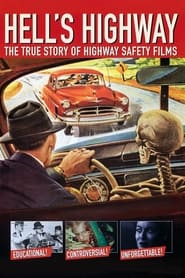
star 6.9Every spring, Hollywood hosts a very species-specific migration: kids. Thousands of aspiring child actors flock to Tinseltown for pilot season, the traditional casting period for new network and cable television shows. But unlike adult actors who pound the same star-lined pavement, kids come with their families. Many set up camp at the Oakwood, a temporary housing complex that caters to the showbiz flock.Hell's Highway: The True Story of Highway Safety Films
2003
star 5.3This film covers the early history of post World War II educational films, especially those involving traffic safety by the Highway Safety Foundation under direction of Richard Wayman. In the name of promoting safe driving in teenagers, these films became notorious for their gory depiction of accidents to shock their audiences to make their point. The film also covers the role of safety films of this era, their effect on North American teenage culture, the struggle between idealism and lurid exploitation and how they reflected the larger society concerns of the time that adults projected onto their youth.Mondo Freudo
1966
Mondo Freudo
1966
star 4.2A “hidden camera” takes the viewer on a worldwide tour of sexual practices and rituals, including Tijuana strippers, Asian sex shows, British prostitutes, New York devil worshipers and a Mexican slave market.