Top Rated Documentary Movies on Tub Tv - Page 427
All Services
Free Services
 Netflix
 Amazon Prime Video
 Apple iTunes
 Apple TV Plus
 Disney Plus
 Google Play Movies
 Paramount Plus
 Hulu
Hulu
 HBO Max
 YouTube
 fuboTV
 Peacock
 Peacock Premium
 Amazon Video
 The Roku Channel
 AMC+
AMC on Demand
AMC+
AMC on Demand
 Kocowa
 Hoopla
 The CW
 Vudu
Vudu
 Starz
Starz
 Showtime
 PBS
PBS
 Pantaflix
 FXNow
FXNow
 Tubi TV
 Kanopy
 Comedy Central
 Crunchyroll
 Microsoft Store
 Redbox
 Sun Nxt
 ABC
ABC
 DIRECTV
 Crackle
 Fandor
 Plex
Plex
Netflix
Amazon Prime Video
Apple iTunes
Apple TV Plus
Disney Plus
Google Play Movies
Paramount Plus
Hulu
HBO Max
YouTube
fuboTV
Peacock
Peacock Premium
Amazon Video
The Roku Channel
AMC+
AMC on Demand
Kocowa
Hoopla
The CW
Vudu
Starz
Showtime
PBS
Pantaflix
FXNow
Tubi TV
Kanopy
Comedy Central
Crunchyroll
Microsoft Store
Redbox
Sun Nxt
ABC
DIRECTV
Crackle
Fandor
Plex

Beauty Knows No Pain
1972
Beauty Knows No Pain
1972
star 5.7In 1940, the Kilgore College Rangerettes became the first dancing drill team in the nation. They have been performing at half-time shows during college football games ever since.Radiohead: The King Of Limbs – Live From The Basement
2011
star 8A live performance by Radiohead of their 2011 album The King Of Limbs. This is their second full-episode performance, filmed at Maida Vale Studios in London, as part of the ‘From The Basement’ television series produced by Nigel Godrich, Dilly Gent, James Chads and John Woollcombe.Master Hands
1936
Master Hands
1936
star 6Documentary short film showing the production of cars at a Chevrolet factory in the mid 1930s.Disneyland Dream
1956
Disneyland Dream
1956
star 5.9A home movie made by Robbins and Meg Barstow that documents their family's free trip to the newly opened Disneyland. The one-week trip was a prize that they won in a contest sponsored by Scotch tape.Volcano: An Inquiry into the Life and Death of Malcolm Lowry
1976
star 5.2This feature-length Oscar®-nominated documentary focuses on Malcolm Lowry, author of one of the major novels of the 20th century, Under the Volcano. But while Lowry fought a winning battle with words, he lost his battle with alcohol. Shot on location in four countries, the film combines photographs, readings by Richard Burton from the novel and interviews with the people who loved and hated Lowry, to create a vivid portrait of the man.Mix-Up
1986
Mix-Up
1986
star 7.3One of the most remarkable and innovative documentaries ever made, this film follows the famous true story of two English women who as babies got switched in the hospital and 20 years later discovered that they'd been raised by the wrong sets of parents. Romand enlists all the surviving family members in her haunting and bizarre investigation, which involves not only a recounting but a reenactment of all the significant events in the two daughters' emotional histories.Land of Milk and Honey
1971
star 5.9Pierre Etaix’s most radical film, and perhaps unsurprisingly the one that effectively ended his career in cinema, Land of Milk and Honey is a fascinating investigative documentary about post–May ’68 French society.Among Men
1960
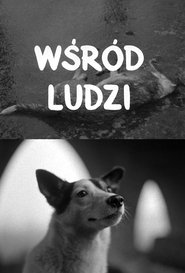
Among Men
1960
star 5.6Impressionistic study of the fate of a stray dog, trying to avoid the results of human indifference and cruelty.Preservation of the Sign Language
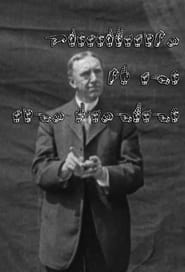
1913
star 4.6George Veditz, one-time president of the National Association of the Deaf of the United States, outlines the right of deaf people to sign instead of speak. The film is presented in American Sign Language and has no sub- or intertitles.90° South
1933
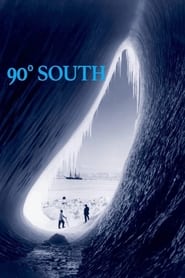
90° South
1933
star 5.9This is a documentary of Captain R.F. Scott's second Antarctic expedition, begun in 1910. The British, under Scott, attempted to reach the South Pole before Roald Amundsen's Norwegians. Scott's writings reveal that the British made it to the South Pole, only to find that the Norwegians had gotten there first. Scott, and the other four men who had made it to the Pole with him, died on the return trip.The Reality of Karel Appel
1962
star 5.4Documentary about the work and the unconventional approach of the painter Karel Appel. The film shows him flinging vast amounts of paint onto the canvas, resulting in dynamic paintings showing an overful, raging, run-away world. In 1962 awarded with a Golden Bear at the Berlinale. (filmcommission.nl)A Film About Coffee
2014
A Film About Coffee
2014
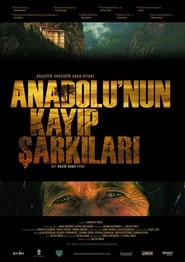
star 6.9"A Film About Coffee" is a love letter to, and meditation on, specialty coffee. It examines what it takes, and what it means, for coffee to be defined as "specialty." The film whisks audiences on a trip around the world, from farms in Honduras and Rwanda to coffee shops in Tokyo, Portland, Seattle, San Francisco and New York. Through the eyes and experiences of farmers and baristas, the film offers a unique overview of all the elements-the processes, preferences and preparations; traditions old and new-that come together to create the best cups. This is a film that bridges gaps both intellectual and geographical, evoking flavor and pleasure, and providing both as well.Lost Songs of Anatolia
2008
star 7.1A musical journey among exotic places and people of Anatolia, unique host of ancient civilizations of 10 millennia. The authentic performances recorded live on location spontaneously. With the modern arrangements made, an incomparable musical is formed. Director: Nezih UnenThe Singing Lesson
1967
The Singing Lesson
1967
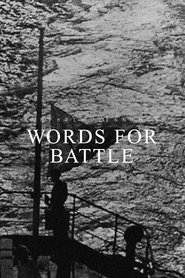
star 4.8A short black and white documentary where Professor Sempolinski works with students on how to sing and dance.Words for Battle
1941
Words for Battle
1941
star 6.2Poetry by Rudyard Kipling, John Milton, and William Blake, and excerpts from speeches by Abraham Lincoln and Winston Churchill, all read by Laurence Olivier, illuminate documentary footage of England during its defense against the Nazi blitz in World War II. This short film serves as both propaganda and as a rallying cry to the British people.41
2012
41
2012
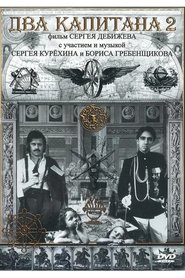
star 6.2An HBO documentary, takes a ‘personal, not political’ look at George H.W. Bush, the 41st president of the United States.Two Captains II
1992
Two Captains II
1992
star 4.3The beginning of the 20th century. The recklessness of fanatics is pushing humanity towards the abyss. A revolution begins in Russia. Crazy Dr. Farkus induces an orgasm of inanimate matter. White Moroccan dwarfs are becoming active. A second Sun appears in the sky. In this difficult environment, captains selflessly confront the forces of chaos, maintaining the cosmic balance of history.The Koumiko Mystery
1965
The Koumiko Mystery
1965
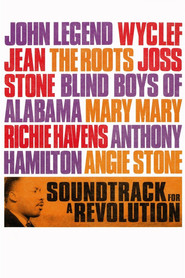
star 6.7Filmed during the 1964 Tokyo Olympics, Chris Marker’s The Koumiko Mystery follows Koumiko Muraoka, a young Japanese woman born in Manchuria and educated in France. As Marker films her wandering through Tokyo, she reflects on identity, memory, and what it means to be Japanese in a rapidly changing world.Soundtrack for a Revolution
2009
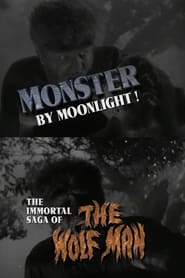
star 6.6Tells the story of the American civil rights movement through its powerful music - the freedom songs protesters sang on picket lines, in mass meetings, and in jail cells as they fought for justice and equality. Features new performances of the freedom songs by top artists; archival footage; and interviews with civil rights foot soldiers and leaders. Freedom songs evolved from slave chants, from the labor movement, and especially from the black church. Music enabled blacks to sing words they could not say, and it was crucial in helping the protesters as they faced down brutal aggression with dignity and non-violence. The infectious energy of the songs swept people up and empowered them to fight for their rights. This film celebrates the vitality of this music.Monster by Moonlight! The Immortal Saga of 'The Wolf Man'
1999
star 6.9Starting with "The Wolf Man" (in 1941), Universal Studios made five movies featuring The Wolf Man, a character portrayed by Lon Chaney, Jr. Monster by Moonlight! explores these movies. Rick Baker explains how the make-up was done on Chaney's character. Screenwriter Curtis Siodmak took very little from earlier werewolf legends, providing his own story for some of the films. This documentary displays clips from several other movies, including "Abbott & Costello Meet Frankenstein" (1948) and "House of Dracula" (1945).