Top Rated Documentary Movies on Tub Tv - Page 429
All Services
Free Services
 Netflix
 Amazon Prime Video
 Apple iTunes
 Apple TV Plus
 Disney Plus
 Google Play Movies
 Paramount Plus
 Hulu
Hulu
 HBO Max
 YouTube
 fuboTV
 Peacock
 Peacock Premium
 Amazon Video
 The Roku Channel
 AMC+
AMC on Demand
AMC+
AMC on Demand
 Kocowa
 Hoopla
 The CW
 Vudu
Vudu
 Starz
Starz
 Showtime
 PBS
PBS
 Pantaflix
 FXNow
FXNow
 Tubi TV
 Kanopy
 Comedy Central
 Crunchyroll
 Microsoft Store
 Redbox
 Sun Nxt
 ABC
ABC
 DIRECTV
 Crackle
 Fandor
 Plex
Plex
Netflix
Amazon Prime Video
Apple iTunes
Apple TV Plus
Disney Plus
Google Play Movies
Paramount Plus
Hulu
HBO Max
YouTube
fuboTV
Peacock
Peacock Premium
Amazon Video
The Roku Channel
AMC+
AMC on Demand
Kocowa
Hoopla
The CW
Vudu
Starz
Showtime
PBS
Pantaflix
FXNow
Tubi TV
Kanopy
Comedy Central
Crunchyroll
Microsoft Store
Redbox
Sun Nxt
ABC
DIRECTV
Crackle
Fandor
Plex

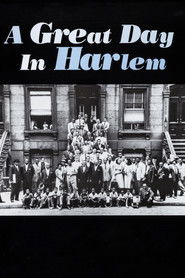
A Great Day in Harlem
1994
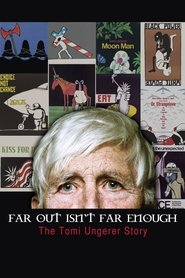
star 6.2Art Kane, now deceased, coordinated a group photograph of all the top jazz musicians in NYC in the year 1958, for a piece in Esquire magazine. Just about every jazz musician at the time showed up for the photo shoot which took place in front of a brownstone near the 125th street station. The documentary compiles interviews of many of the musicians in the photograph to talk about the day of the photograph, and it shows film footage taken that day by Milt Hinton and his wife.Far Out Isn't Far Enough: The Tomi Ungerer Story
2012
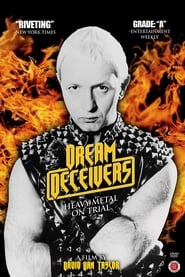
star 7.3Far Out Isn't Far Enough: The Tomi Ungerer Story depicts one man's wild, lifelong adventure of testing societal boundaries through his use of subversive art. This 98-minute film combines traditional documentary storytelling with original animation from over 70 years worth of art from the renegade children's book author and illustrator. Using a historical palette of 20th century events to paint an artist's epic yet controversial life story, this HD documentary film offers a feature-length retrospective of Ungerer's life and art, pondering the complexities and contradictions of a man who, armed with an acerbic wit, an accusing finger and a razor sharp pencil, gave visual representation to the revolutionary voices during one of the most tantalizing and dramatic periods in American history. Far Out Isn't Far Enough explores the circumstances of his meteoric rise and fall on American soil...Dream Deceivers: The Story Behind James Vance vs. Judas Priest
1992
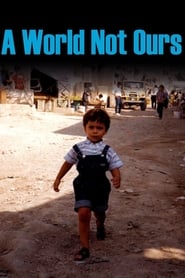
star 7.9A chilling post mortem on the tragic case of two teenagers who decided to shoot themselves in the head with a shotgun, and the ensuing court case staged to place the blame on the heavy metal band Judas Priest.A World Not Ours
2014
A World Not Ours
2014
star 8An intimate, and often humorous, portrait of three generations of exile in the refugee camp of Ein el-Helweh, in southern Lebanon. Based on a wealth of personal recordings, family archives, and historical footage, the film is a sensitive, and illuminating study of belonging, friendship, and family in the lives of those for whom dispossession is the norm, and yearning their daily lives.Ebbe - The Movie: Mannen, Myten, Affären
2009
star 7.8A documentary dealing with the publisher Ebbe Carlsson's decision to start his own investigation on the murder of Swedish Prime Minister Olof PalmeLadies and Gentlemen, Mr. Leonard Cohen
1966
star 7.2A 1964 documentary portrait of Cohen in his pre-musician days as a poet and stand-up comedian.Stephen Tobolowsky's Birthday Party
2006
star 6.1In Stephen Tobolowsky’s Birthday Party film-makers Robert Brinkmann and Andrew Putschoegl follow Stephen on his birthday and document a performance he gives for the cameras and a group of friends, during which he tells stories about his experiences in Hollywood. Instead of his regular role as a supporting actor, Stephen takes the stage in Birthday Party and shows that he has the charisma to hold the audience’s attention without the help of a script.Britney Spears: Live and More!
2000
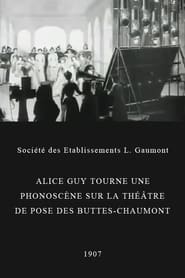
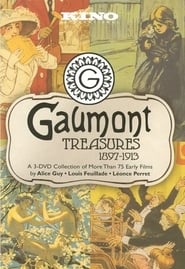
star 8.2Watch 'Princess of Pop' Britney Spears cavorting in the sun and surf in "Live and More!" Part concert video and part travelogue, this fun-filled tv special features eight songs performed live on Hawaii's Waikiki Beach in front of thousands of enthusiastic fans, as seen originally aired on Fox. These songs are interspersed with clips of Britney's down time in Hawaii. Completing this grab bag are three music videos and clips from her "Saturday Night Live" appearances.Alice Guy Films a 'Phonoscène' in the Studio at Buttes-Chaumont, Paris
1907
star 6Behind-the-scenes footage showing Alice Guy directing an early sound film.Le Cake-walk de nouveau cirque
1905
star 4.7Unverified phonoscene (chronograph #7 in Gaumont catalogue?) showing a performance of the cake walk.Every Little Thing
1997
Every Little Thing
1997
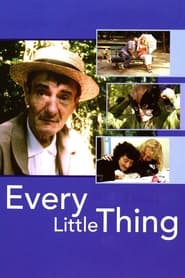
star 6.1In the summer of 1995, as every year, the patients and staff of "La Borde" psychiatric clinic rehearse their summer play for a performance on August 15th. The film records the ups and downs of the venture as rehearsals go by. Yet, it also delicately captures the day-to-day existence, the seemingly insignificant details, the loneliness and the fatigue but also the collective joy and the close attention that all these people pay to each other.United in Anger: A History of ACT UP
2012
star 6.9United in Anger: A History of ACT UP is an inspiring documentary about the birth and life of the AIDS activist movement from the perspective of the people in the trenches fighting the epidemic. Utilizing oral histories of members of ACT UP, as well as rare archival footage, the film depicts the efforts of ACT UP as it battles corporate greed, social indifference, and government negligence.Letter from a Filmmaker to His Daughter
2000
star 6A playful, free, and personal film in the form of a letter, a film interwoven with a thousand stories knit together with different textures, a book of images where a filmmaker shows the images and the stories he wants to share.'N Sync: Live from Madison Square Garden
2000
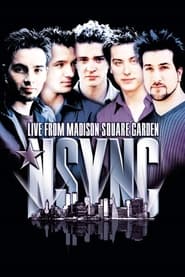
star 7.6In the summer of 2000, 'N Sync hit the road with their "No Strings Attached" tour - a concert to remember.Journey Into Self
1969
Journey Into Self
1969
star 5.4Journey into Self is a 1968 documentary film introduced by Stanley Kramer, and produced and directed by Bill McGaw. The film portrays a 16-hour group-therapy session for eight well-adjusted people who had never met before. The session was led by psychologists Carl Rogers and Richard Farson. The participants included a cashier, a theology student, a teacher, a principal, a housewife, and three businessmen. It won the Academy Award for Best Documentary Feature in 1968.Robert Frost: A Lover's Quarrel with the World
1963
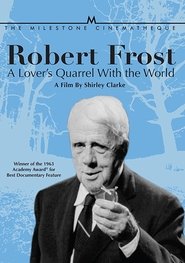
star 6.2The acclaimed poet is examined in this film completed just prior to his death at age 88, with his speaking engagements at Amherst and Sarah Lawrence Colleges intercut with studies of his work, as well as with scenes of his life in rural Vermont and personal reminiscences about his career. He is also seen receiving an award from President Kennedy and touring an aircraft carrier. Preserved by the Academy Film Archive in partnership with UCLA Film & Television Archive in 2006.Albert Schweitzer
1957
Albert Schweitzer
1957
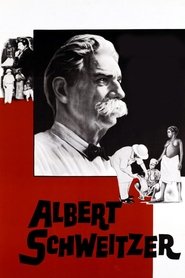
star 6.1This biographical docudrama traces the life of Dr. Albert Schweitzer, from his birth in Alsace, up to the age of 30 when he made the decision to go to French Equatorial Africa and build his jungle hospital. The latter half of the film encompasses a full day in the hospital-village, following the octogenarian Samaritan in his daily rounds.The Unconquered
1954
The Unconquered
1954
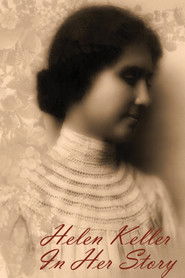
star 7.3Narrated by actress Katharine Cornell and filmed in black and white, it spends the first 24 minutes introducing viewers, through newsreels, interviews, and old photographs, to the story of the deaf and blind disabled-rights pioneer. News footage shows her international appearances and visits with heads of state, including President Eisenhower allowing her to feel his face. The second half takes a day-in-the-(exceptional)-life approach to Keller's existence circa 1955. Made just 13 years before her death, Keller's famed tutor-translator-friend Anne Sullivan had already died, leaving her live-in replacement, Polly Thomson, to share the film's focus. From the time Keller takes her morning walk along the 1,000-foot handrail around her yard through her workday to her nightly reading of her Braille Bible, her serene acceptance of her life will amaze and inspire. Preserved by the Academy Film Archive in 2006.Daybreak in Udi
1949
Daybreak in Udi
1949
star 4.4An African tribe in the Eastern Nigerian village of Umana work to build a maternity hospital, with the aid of government officials, and against the opposition of some tribal members.Domestic Violence
2001
Domestic Violence
2001
star 6.4DOMESTIC VIOLENCE shows the Tampa, Florida police responding to domestic violence calls and the work of The Spring, the principal shelter in Tampa for women and children. Sequences with the police include police response, intervention, and attempted resolution of domestic violence calls. Sequences at the shelter include intake interviews, individual counseling sessions, anger management training, group therapy, staff meetings, conversations among clients and between clients and staff, and school activities, therapy, and counseling for children at the shelter.