Top Rated History Movies on Tub Tv - Page 252
All Services
Free Services
 Netflix
 Amazon Prime Video
 Apple iTunes
 Apple TV Plus
 Disney Plus
 Google Play Movies
 Paramount Plus
 Hulu
Hulu
 HBO Max
 YouTube
 fuboTV
 Peacock
 Peacock Premium
 Amazon Video
 The Roku Channel
 AMC+
AMC on Demand
AMC+
AMC on Demand
 Kocowa
 Hoopla
 The CW
 Vudu
Vudu
 Starz
Starz
 Showtime
 PBS
PBS
 Pantaflix
 FXNow
FXNow
 Tubi TV
 Kanopy
 Comedy Central
 Crunchyroll
 Microsoft Store
 Redbox
 Sun Nxt
 ABC
ABC
 DIRECTV
 Crackle
 Fandor
 Plex
Plex
Netflix
Amazon Prime Video
Apple iTunes
Apple TV Plus
Disney Plus
Google Play Movies
Paramount Plus
Hulu
HBO Max
YouTube
fuboTV
Peacock
Peacock Premium
Amazon Video
The Roku Channel
AMC+
AMC on Demand
Kocowa
Hoopla
The CW
Vudu
Starz
Showtime
PBS
Pantaflix
FXNow
Tubi TV
Kanopy
Comedy Central
Crunchyroll
Microsoft Store
Redbox
Sun Nxt
ABC
DIRECTV
Crackle
Fandor
Plex

Disintegration Loop 1.1
2001
star 8.6Disintegration Loop 1.1 consists of one static shot of lower Manhattan billowing smoke during the last hour of daylight on September 11th, 2001, set to the decaying pastoral tape loop Basinski had recorded in August, 2001. Shot from Basinski's roof in Williamsburg Brooklyn, this is an actual documentary of how he and his neighbors witnessed the end of that fateful day. It is a tragically beautiful cinema verite elegy dedicated to those who perished in the atrocities of September 11th, 2001.Shafiqa and Metwally
1978
Shafiqa and Metwally
1978
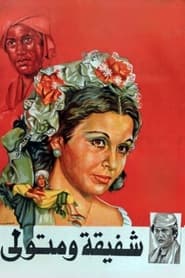
star 6.6The authorities summon many young men for forced labor in the Suez Canal, so Metwally leaves his sister Shafiqa alone with their old grandfather, whereupon Shafiqa is forced to succumb to the temptations of Diab, the district chief's son. As their sinful relationship is revealed, she is forced to leave for Asyut, where she becomes the mistress of Al Tarabishi, the supplier of slaves.Katherine of Alexandria
2014
star 2.7The life of Katherine of Alexandria. Constantine joins the Roman army to find his missing childhood friend. Once alerted to his friend's whereabouts, he prepares for an all out war between the East and the West. Contains the last film role of Peter O'Toole, who died before the film was released.Alitet Leaves for the Hills
1950
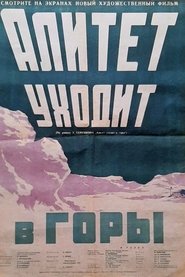
star 5.6Mark Donskoy went to the wilds of Siberia to film this Soviet movie about a community that resists the temptations of a wicked American capitalist who wants to exploit their lands.Solomon Northup's Odyssey
1984
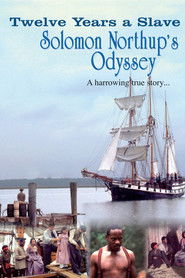
star 6.2This is based on a true story. Solomon Northrop is a black man in the mid 19th century before slavery was abolished. He's a born free man who works as a carpenter and is also a part time musician. One day he is approached by some men who want him to play for them. However, that is not their intention; they have kidnapped him and sold him into slavery. Now he has to endure the hardships that he has been spared because of his status as a free man. And his family who don't know what happened to him is searching for him but where do they go? And Solomon also wishes to let them know where he is so that they could get him but unfortunately no one believes his story or is willing to help him.In the Shadow of the Eagles
1966
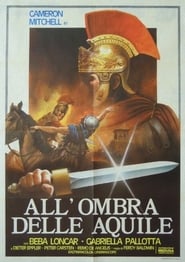
star 4.8After the death of Octavian, the rebel populations of Illyria and Pannonia pose a grave threat to the Roman Empire. Tribune Marcus Ventidius is sent to subdue the uprising and, after a bitter battle, captures Pannonian chief Magdus together with a number of women hostages. These include Magdus's own daughter Helen, betrothed to cruel Illyrian warrior Batone who has killed many Romans. Julia, daughter of the Roman governor Messala, is in love with Tribune Marcus and, jealous of his sympathy for the barbarian girl, plots an escape by Helen and her father. Pursuing the fugitives, Marcus crosses a mountain pass where Batone has laid a trap.The History in the Gaze
2011
star 6.8The film portraits the stage previous to the outbreak of the Mexican Revolution, from the end of Porfirio Díaz´ government, the social volatility, the ephemeral government of Madero and the presence of the working class in the figures of Villa and Zapata, until the signing if the Constitution of 1917. All of this through moving images, filmed during those events mainly by the Alva brothers, filmmakers of that time. Those images let us perceive the contradictory and shuddered glance of the people of that period.Teresa
2009
Teresa
2009
star 5.2Teresa Wilms Montt is a writer, a rebellious woman, tormented and beautiful. He marries at age 17 challenging family opposition. She falls in love with someone she should not and the family court condemns her to confinement in a convent. Separated from her two daughters, she escapes to Buenos Aires with Vicente Huidobro. From that flight her life becomes an exciting and tragic itinerary.The Viking Sagas
2011
The Viking Sagas
2011
star 5.3Dr Janina Ramirez travels across glaciers and through the lava fields of Iceland to find out about one of the most compelling of the great Viking stories - the Laxdaela Saga. This hour-long film explores how the unique literary achievements of the Saga writers were possible at a time of such immense cultural, political and religious upheaval.Anno Domini 1573
1975
Anno Domini 1573
1975
star 5.8Europe in second half of 16th century was very rough place to live. Peasants of Slovenia and Croatia had even rougher times because of the constant threat of Turk raids and being taxed to death in order to provide defence against the Turks. But, the worst things were arrogant local feudal lords led by Franjo Tahi who were oppresing the common folk. All that led to the great peasant revolt of 1573. The movie is made for the 400th anniversary of the event.The Royal Hunt
1990
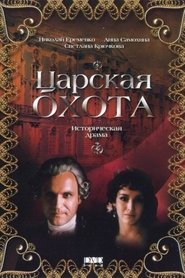
The Royal Hunt
1990
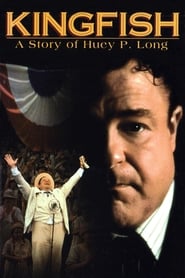
star 3.3Russian general have to find and bring back to St. Petersburg girl claiming her right to the throne...Kingfish: A Story of Huey P. Long
1995
star 6.2A Louisiana governor becomes a controversial political kingpin during the Depression.Danton
1931
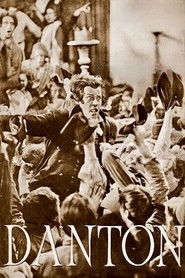
Danton
1931
star 5.6This pre-WW II German costume drama chronicles the French Revolution with a particular focus upon Danton, Robespierre, and Marat. It depicts the dramatic downfall and execution of Georges Danton in 1794 at the hands of Maximilien Robespierre. The film also presents an interesting, if not historically inaccurate, portrayal of Louis XVI.By the Ravine
1962
By the Ravine
1962
star 3.2Senya, a young hunter, hunts for two wolves that have been preying on sheep of various farms in Siberia. Kira Muratova and husband Oleksandr Muratov's diploma film.El brigadista
1978
El brigadista
1978
star 6.2The Castro revolution was just consolidating its power when, in 1961, over 100,000 students were sent from their schools into the countryside to teach the peasants there how to read. Coinciding with the Bay of Pigs invasion, in this docudrama, 15-year-old Mario (Salvador Wood) has come to a tiny village in the Zapata swamps and gradually wins the villagers over to his task. At the same time, he receives an education in the realities of rural life from the hard-working peasants.The Final Days
1989
The Final Days
1989
star 6.8The Final Days concerns itself with the final months of the Richard Nixon presidency.The Dawn of Sound: How Movies Learned to Talk
2007
star 7Film historians, and survivors from the nearly 30-year struggle to bring sound to motion pictures take the audience from the early failed attempts by scientists and inventors, to the triumph of the talkies.Tanz auf dem Vulkan
1938
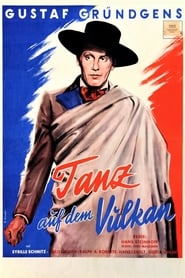
Tanz auf dem Vulkan
1938
star 6Paris, 1830: Jean-Gaspard Debureau performs on the stage and delights his audience with song, wit and charm. He is, however, very unpopular with King Charles X, who is the target of much of Debureau's scornful jests. That would be a somewhat tolerable situation if it weren't for the fact that Debureau has fallen for a countess, who happens to be the King's mistress.Kandhan Karunai
1967
Kandhan Karunai
1967
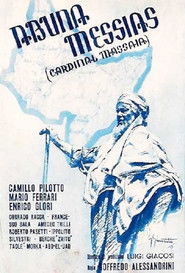
star 7This expansive Hindu epic concerns Lord Muruga, also known as Kartikeya, son of the Krittikas. The film narrates the story of his birth, marriage, and acceptance of the post of the head of the army of heaven, commander-in-chief of the gods.Abuna Messias - Vendetta africana
1939
star 5The film takes place at the end of the 19th century. The Cardinal Guglielmo Massaia has spent 20 years in Ethiopia to convert people to the Catholic Church. He comes back to Italy and he tries to get the help of the government of Piedmont. The Count Cavour, although he appreciates the Cardinal's deeds in Africa, cannot grant his Cabinet's support to the Cardinal's plans. The missionary man, trusting the Divine Providence, goes back to Africa by himself. The Cardinal, who is known among the people as Abuna Messias, becomes a friend of king Menelik. The support of the king is fundamental to spread his word and accomplish his mission. The Head of the Coptic Church, Abuna Attanasio, does whatever he can to prevent Massaia from reaching his goals and to get him exiled from Ethiopia. Menelik refuses to help Abuna Attanasio, who decides to address the Emperor, thus igniting a war between the Emperor and his subject Menelik. In order to end the war, the Cardinal decides to leave Africa.