Top Rated History Movies on Tub Tv - Page 317
All Services
Free Services
 Netflix
 Amazon Prime Video
 Apple iTunes
 Apple TV Plus
 Disney Plus
 Google Play Movies
 Paramount Plus
 Hulu
Hulu
 HBO Max
 YouTube
 fuboTV
 Peacock
 Peacock Premium
 Amazon Video
 The Roku Channel
 AMC+
AMC on Demand
AMC+
AMC on Demand
 Kocowa
 Hoopla
 The CW
 Vudu
Vudu
 Starz
Starz
 Showtime
 PBS
PBS
 Pantaflix
 FXNow
FXNow
 Tubi TV
 Kanopy
 Comedy Central
 Crunchyroll
 Microsoft Store
 Redbox
 Sun Nxt
 ABC
ABC
 DIRECTV
 Crackle
 Fandor
 Plex
Plex
Netflix
Amazon Prime Video
Apple iTunes
Apple TV Plus
Disney Plus
Google Play Movies
Paramount Plus
Hulu
HBO Max
YouTube
fuboTV
Peacock
Peacock Premium
Amazon Video
The Roku Channel
AMC+
AMC on Demand
Kocowa
Hoopla
The CW
Vudu
Starz
Showtime
PBS
Pantaflix
FXNow
Tubi TV
Kanopy
Comedy Central
Crunchyroll
Microsoft Store
Redbox
Sun Nxt
ABC
DIRECTV
Crackle
Fandor
Plex

Target for Today
1944
Target for Today
1944
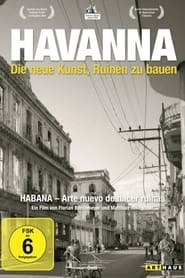
star 5.3A bombing mission over Germany by the American Eighth Air Force, from the initial planning for the mission through final completion, with all of its intricacies from beginning to end.Havana: The New Art of Making Ruins
2006
star 7.7The final moments of Havana's buildings seen through the eyes of their inhabitants: before they are renovated - or collapsed altogether.The Fencing Master
1962
The Fencing Master
1962
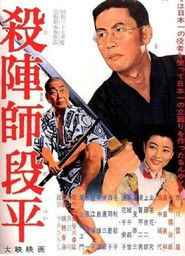
star 5.5The Fencing Master tells the story of a man trying to survive as the only world he knows is becoming increasingly irrelevant. Danpei Ichikawa lives for swordfighting – he was once a renowned kabuki swordfight choreographer, and as the Chairman of the New National Theatre Company, he wants nothing more than to choreograph the swordfights for the modern plays put on by the company.Narthanasala
1963
Narthanasala
1963
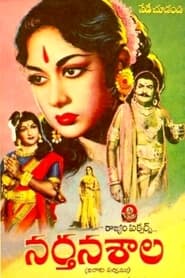
star 7This film deals with the Virata Parvam (Book of Virata) of the epic Mahabharatam dictated by Vyasa Maharshi.David Starkey's Magna Carta
2015
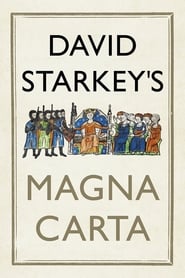
star 8.3David Starkey looks at the origins of Magna Carta, the document that has underpinned British liberties since it was created in 1215 to check the abuses of King John.Ganadevata
1978
Ganadevata
1978
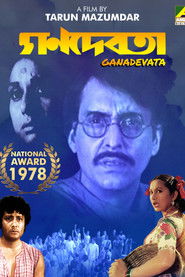
star 7Set in 1920's during the British Raj, the film is about the breakdown of socio-economic structures, impact of industrialization and non-cooperation movement in rural Bengal.Jesse Owens Returns to Berlin
1966
star 6.5The rise of National Socialism in Germany and Hitler’s anti-semitic policies and advocation of the superiority of the Aryan race resulted in several calls for a boycott of the games. Against this political backdrop, Jesse Owens’ haul of four gold medals is all the more significant. For a black athlete to demonstrate clearly his superior athleticism and so convincingly outperform his white counterparts was a massive slap in the face for Hitler and made a mockery of his racist theories during his Nazi showpiece games. Standing in the box at the Olympiastadion where Hitler sat to watch the games, Jesse Owens tells with pride that the flag of the US team was the only one not to be dipped as the athletes passed the Führer. (andberlin.com)Anthim the Iberian
2001
Anthim the Iberian
2001
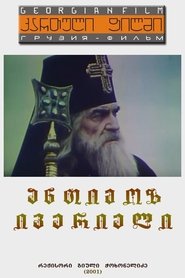
star 7Anthim the Iberian - Antimoz Iverieli, a Georgian theologian, scholar, calligrapher, philosopher and one of the greatest ecclesiastic figures of Wallachia, led the printing press of the prince of Wallachia, and was Metropolitan of Bucharest in 1708-1715.Tokyo Trial: Judging Japan
2016
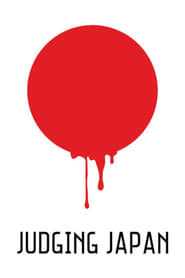
star 8.7The story of the International Military Tribunal for the Far East, known as the Tokyo Trial, which, just after the Second World War, was established in Japan as a special jurisdiction in 1946 (it was closed in 1948) to judge the war crimes of the Japanese leaders; and how and why officials in Washington prevented Emperor Hirohito to be seen sat on the bench.Hlas pro římského krále
2016
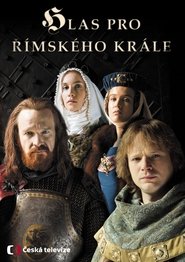
star 7.2Czech Television's epic historical film draws on the breathtaking dramatic life of the great of Czech history, King Charles IV.Kandahar Journals
2015
Kandahar Journals
2015
star 6Kandahar, Afghanistan, April 2006. Photojournalist Louie Palu, who is covering a suicide bombing, suddenly finds himself in the middle of a pile of corpses, shocked by the smell of burning flesh. Louie does not yet know that he will spend the next five years documenting the tragedy of war.The Siege of Beszterce
1948
star 8The film evokes count Pongrácz, who, as late as the 19th century, managed to live a life, which reminds one of his medieval ancestor's values. He acts in defiance of the town by fighting his own battle against it, having been offended by the town.The Trial of the Judges
1974
star 6.2A true story: The trial of judges Polizoidi and Tertseti for disobedience and their triumphant acquittal during the three men regency council, when king Othon of Greece was a minor. The cast of the film was enormous, with almost half of the theatrical people participating.Canada Vignettes: Wop May
1979
star 5This short animated film is about Wop May, one of Canada's leading bush pilots in the 1920s.The Treaty
1991
The Treaty
1991
star 6How the Anglo-Irish Treaty between the unrecognised Irish Republic, represented by Michael Collins, and the British government was concluded after high-stakes negotiations in 1921.Maria's Day
1984
Maria's Day
1984
star 1.7The Hungarian Maria's Day is set in that most fateful of years, 1848. The incredible changes and reverses in European politics and culture exert a potent influence on one aristocratic Hungarian family. Losing virtually everything in the way of creature comforts, the family tries to keep up appearances. Eventually every member of the clan falls victim to illness, syphilis and their own headstrong foolishness. The parallels drawn by director Judith Elek between the dissipation of 19th century Hungarian aristocracy and the corruption of Communist ideology in modern times are inescapable.War and Peace of Mind
2016
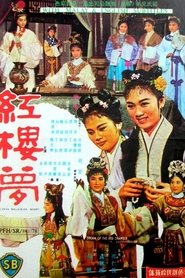
star 7.3War and Peace of Mind explores what war does to the human mind and how both, the individuals and the nation as a whole, survive it psychologically. Finland and WWII, locally known as continuation war, is the backdrop of this documentary.The Dream of the Red Chamber
1962
star 7The Ching Dynasty novel The Dream of The Red Chamber is not only the most widely read, but also the most filmed book in Chinese history. The sprawling love story has proven a challenge to many filmmakers, but this version is acclaimed as the most successful. A sumptuous feature which took three years of planning and another for production, it was a hugely popular and critical hit which still stands out as a classic of both 18th century literature and 1960s moviemaking.Dawn Will Come
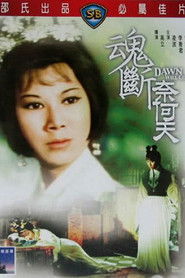
1966
Dawn Will Come
1966
star 5The lovely Li Hsiang-chun stars as a poor beauty who is drugged, ravished, lied to, locked in a burning store room, left to drown, and chased by sword-wielding ruffians, among other things. Her only hope is her betrayer's new wife, played by the strong and sensual Ivy Ling Po. Dawn may come, but the questions is: will it be too late? Director/writer Kao Li shows both restraint and sadism in this historical melodramatic tearjerker.