New Documentary Movies - Page 173
All Services
Free Services
 Netflix
 Amazon Prime Video
 Apple iTunes
 Apple TV Plus
 Disney Plus
 Google Play Movies
 Paramount Plus
 Hulu
Hulu
 HBO Max
 YouTube
 fuboTV
 Peacock
 Peacock Premium
 Amazon Video
 The Roku Channel
 AMC+
AMC on Demand
AMC+
AMC on Demand
 Kocowa
 Hoopla
 The CW
 Vudu
Vudu
 Starz
Starz
 Showtime
 PBS
PBS
 Pantaflix
 FXNow
FXNow
 Tubi TV
 Kanopy
 Comedy Central
 Crunchyroll
 Microsoft Store
 Redbox
 Sun Nxt
 ABC
ABC
 DIRECTV
 Crackle
 Fandor
 Plex
Plex
Netflix
Amazon Prime Video
Apple iTunes
Apple TV Plus
Disney Plus
Google Play Movies
Paramount Plus
Hulu
HBO Max
YouTube
fuboTV
Peacock
Peacock Premium
Amazon Video
The Roku Channel
AMC+
AMC on Demand
Kocowa
Hoopla
The CW
Vudu
Starz
Showtime
PBS
Pantaflix
FXNow
Tubi TV
Kanopy
Comedy Central
Crunchyroll
Microsoft Store
Redbox
Sun Nxt
ABC
DIRECTV
Crackle
Fandor
Plex

My Home
2025
My Home
2025
Until recently, there was a village called Alekseyevka in the Khachmaz region of Azerbaijan. Alekseyevka was an international homeland for everyone who lived there. After the collapse of the USSR, local residents began to move to other regions of the world for various personal reasons. The film's heroines Larisa and Nina meet in Alekseyevka (now Chaykenary) and try to feel the warmth of the past again.The Spot of Time
2025
The Spot of Time
2025
Cinematic poem that intertwines elements of metafilm, found footage, documentary, and fiction. The title references William Wordsworth’s poem “The Prelude”, where ‘spots of time’ are described as events of profound significance for personal growth. These illuminating moments, recalled in tranquility and as though relived, become renewing sources of creative energy and imagination. For the creators of this feature, such a moment came with the discovery of old films and photo negatives on the shores of the Sea of Azov. Over the span of 20 years, they return time and again to the place where their discovery was made, revealing a strange world that spans a mile of shoreline and 90 minutes of screen time.Котлован
2025
Котлован
2025
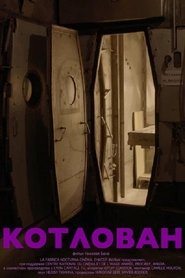
The film explores the history of the giant quarry "Mir", the fates of people living on its edge, and its possible future. People seemed to have become participants in a great experiment, creating their own unique world in isolation from the rest of the world, proving that man can adapt to the most incredible living conditions.Couper le cordon
2025
Couper le cordon
2025
Goat501
2025
Goat501
2025
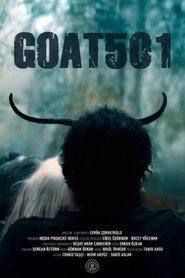
A pastoral tale set on the slopes of the Black Sea, it bears witness to the cyclical nature and tells the story of Cengiz, who lives year-round in the heart of nature. The film begins with the birth of a goat, and ends with the same goat giving birth to her own offspring.Rojo Žalia Blau
2025
Rojo Žalia Blau
2025
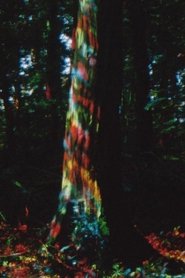
A companion piece to her stunning NYC RGB (TIFF ’23), with Rojo Žalia Blau, Austrian artist Viktoria Schmid employs the principles of three-strip Technicolor to recast natural landscapes in Spain, Lithuania, and Austria in a dazzling play of colour and shadow.Folks
2025
Folks
2025
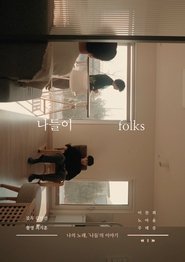
Three visitors gather in a multi-story house, unfamiliar and absent of its owner. Each carries a different path, dream, and wound, gradually revealed through songs and quiet conversations. Over the course of a single day, laughter and silence intertwine, and their connection deepens. After they part ways, the house remains—now holding a different kind of resonance than before.Herencia
2025
Herencia
2025
Whistle
2025
Whistle
2025
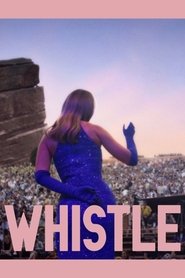
At the Masters of Musical Whistling competition, where virtuoso whistlers compete for global supremacy and bragging rights, we follow an array of quirky personalities and dazzling talents in a film sure to be a crowd-pleaser.Still Single
2025
Still Single
2025
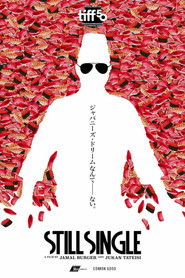
Directors Jamal Burger and Jukan Tateisi bring viewers into the unpredictable world of Masaki Saito, Toronto’s sushi superstar.Broken Harbors
2025
Broken Harbors
2025
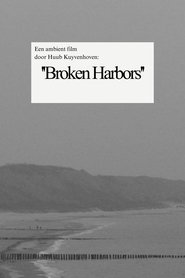
An ambient short film of seaside cinematography accompanied by Stars of the Lid's 'Broken Harbors pt.2' and 'Broken Harbors pt.3' It is shot in black and white, but switches to color near the end.The Eyes of Ghana
2025
The Eyes of Ghana
2025
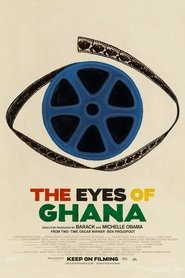
93-year-old documentarian Chris Hesse—personal cinematographer to forgotten African icon Kwame Nkrumah—races against blindness and time to rescue and repatriate a secret trove of over 1,300 films that captured the birth of African independence in the fifties and sixties. Yet unseen by the public, these films may not only rewrite Ghanaian and African history—but world history itself.Newport and the Great Folk Dream
2025
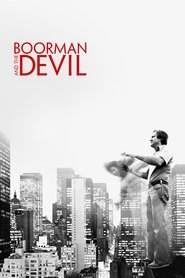
Powerful music leaps from the air and can change the actual world. At the Newport Folk Festivals in the early 1960s, the molecules were electric with rebellion and democracy, with anger and hope. Musicians drove that change — Bob Dylan, Joan Baez and Pete Seeger but also banjo players from coal country, remote Georgia gospel artists, rural Canadian fishermen, and the opportunities created for the urban kids to mingle with those they’d not ordinarily encounter.Boorman and the Devil
2025
Featuring commentary from surviving participants, as well as other filmmakers and critics, this documentary chronicles the career of director John Boorman and the tumultuous production of his film Exorcist II: The Heretic, exploring its critical and commercial failure, how it changed the industry, and the importance of risk-taking in art.Back Home
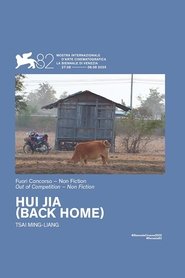
2025
Back Home
2025
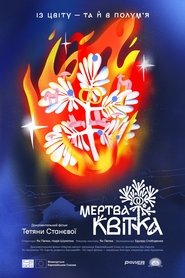
Tsai Ming-liang's new film, Back Home, depicts Anong Houngheuangsy and the daily life of his home village in Laos. We witness buildings in varying states of habitation and disrepair, farm animals, rice fields, religious sites, domestic scenes, a sun-dappled food market, and a dog adorably trying (and failing) to escape a carnival ride.From Bloom to Flame
2025
From Bloom to Flame
2025
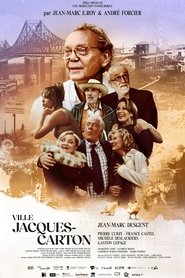
A documentary about the culture and winter rituals of the Bulgarians of Ukraine, and how this is affected by Russian military aggression.Cardboard City
2025
Cardboard City
2025
star 7Against the voracious concrete and a ruthless developer, a poet stands tall, the last bulwark against oblivion, like a Gaul defying Caesar. He gathers voices from the past, revives memories, and weaves an ode to Ville Jacques-Cartier's working-class heritage, a haven where hopes and struggles once echoed.Naciente
2025
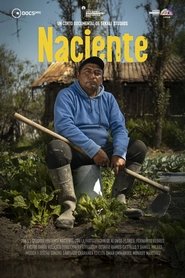
Naciente
2025
star 10A documentary about the chinampas of Xochimilco, Mexico, where tradition and modernity clash and coexist. Through three contrasting voices, it explores the struggle to preserve tradition in the face of change, as well as the search for new ways to adapt.Old Girl in a Tutu: Susan Rennie Disrupts Art History
2025
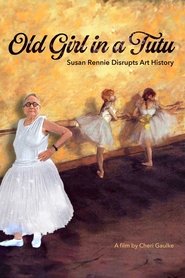
When Susan Rennie retired from academia, she returned to her first love – photography. With humor and wit, Rennie’s photographic interventions offer a feminist critique of the conventional canon of art history, and an unabashed embrace of her elder, queer identity. The results are juicy, eye-opening, and often hilarious.A Moment in the Sun
2025
A Moment in the Sun
2025
As the solar eclipse of 2024 races towards Houlton, Maine - a township of approximately 6,000 people - they must find a way to host 40,000 stargazing strangers the only way they know how: with open arms and open hearts.