New Documentary Movies on Amazon Video - Page 418
All Services
Free Services
 Netflix
 Amazon Prime Video
 Apple iTunes
 Apple TV Plus
 Disney Plus
 Google Play Movies
 Paramount Plus
 Hulu
Hulu
 HBO Max
 YouTube
 fuboTV
 Peacock
 Peacock Premium
 Amazon Video
 The Roku Channel
 AMC+
AMC on Demand
AMC+
AMC on Demand
 Kocowa
 Hoopla
 The CW
 Vudu
Vudu
 Starz
Starz
 Showtime
 PBS
PBS
 Pantaflix
 FXNow
FXNow
 Tubi TV
 Kanopy
 Comedy Central
 Crunchyroll
 Microsoft Store
 Redbox
 Sun Nxt
 ABC
ABC
 DIRECTV
 Crackle
 Fandor
 Plex
Plex
Netflix
Amazon Prime Video
Apple iTunes
Apple TV Plus
Disney Plus
Google Play Movies
Paramount Plus
Hulu
HBO Max
YouTube
fuboTV
Peacock
Peacock Premium
Amazon Video
The Roku Channel
AMC+
AMC on Demand
Kocowa
Hoopla
The CW
Vudu
Starz
Showtime
PBS
Pantaflix
FXNow
Tubi TV
Kanopy
Comedy Central
Crunchyroll
Microsoft Store
Redbox
Sun Nxt
ABC
DIRECTV
Crackle
Fandor
Plex

The Seven Five
2015
The Seven Five
2015
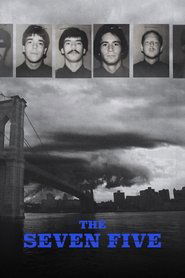
star 7.3Meet the dirtiest cop in NYC history. Michael Dowd stole money and dealt drugs while patrolling the streets of '80s Brooklyn.Teros, sueño mundial
2015
Teros, sueño mundial
2015
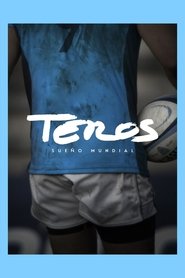
The campaign of the Uruguayan rugby team, nicknamed "Los Teros", during the 2015 Rugby World Cup qualification, and the amateur character of its players that contrasts against the professionalism of their group rivals.Lampedusa im Winter
2015
Lampedusa im Winter
2015
star 6.2The Italian “refugee island” of Lampedusa is in the firm grip of winters tristesse. Tourists have left, the remaining refugees fight to be taken to the mainland. As a fire destroys the worn down ferry, that connects the island to Italy, the mayor Giusi Nicolini and the local fishermen struggle for a new ship. The tiny community at the edge of Europe is engaged in a desperate struggle for solidarity with those who many consider the cause of the ongoing crisis: the African boat people.Cold War Peacemaker: The Story of the Convair B-36
2015
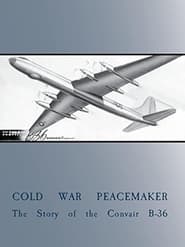
Cold War Peacemaker is the amazing and unique story of the development of the B-36 very-long-long-range nuclear bomber. From its beginnings during WWII, through construction in a former wild-west cattle town and deployment into the Cold War, the story of the Convair B-36 and how it intimidated the Soviet Union is a fascinating study in politics and technology. In Cold War Peacemaker, experience life during the Cold War as your parents and grandparents lived it and discover and understand how the Convair B-36 played a vital role in saving the free world from communist domination.Conspiracy Theorists Lie
2015
An in depth look at the half-century of lies created and perpetuated by conspiracy theorists to sell merchandise, gain attention, and advance nutty agendas concerning the JFK assassination.Neon
2015
Neon
2015
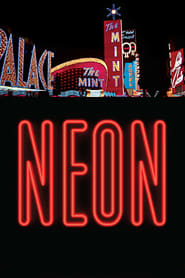
star 7.1A film celebrating the beauty and romance, the art and science of neon: visually stunning, one of the most environmentally friendly forms of lighting ever made, and endangered – LED is slowly but surely taking its place around the globe. Vivid, beautiful and insightful, Neon is the story of this noble element that has so profoundly coloured the modern world.The Day the Sun Fell
2015
The Day the Sun Fell
2015
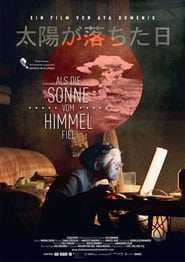
star 7.2Tracing the past of her deceased grandfather who worked as a young doctor in the Red Cross hospital of HirSwiss-Japanese filmmaker Aya Domenig, the granddaughter of a doctor on duty during the 1945 atomic bombing of Hiroshima, approaches the experience of her deceased grandfather by tracing the lives of a doctor and of former nurses who once shared the same experience. While gathering the memories and present views of these last survivors, the nuclear disaster in Fukushima strikes and history seems to repeat itself.oshima after the atomic bomb was dropped over the city, the filmmaker encounters doctors and nurses who went through similar experiences to his at the time. Right up until his death in 1991, her grandfather was never able to speak about his experiences, but the formidable stories and openness of her protagonists bring her closer to his past.Panomundo Part 1: The Evolution of the Steelpan
2015
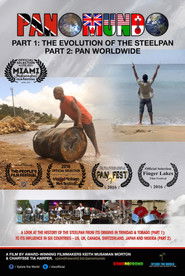
Slavery may have been the catalyst, but culture and passion formed this sound in Trinidad & Tobago. The steelpan can take the claim of being the only acoustic instrument invented in the 20th century. However, this sound not only moves people today, but it paralleled the island’s history of colonization and the demand for independence. The first section of this two-part film highlights the precursors of the steelpan and the creation of the instrument until it gained international recognition in Britain in 1951. Interviews from steelpan legends, such as Ellie Mannette, Sterling Betancourt, Cliff Alexis and Ray Holman, are included.The Academy of Muses
2015
The Academy of Muses
2015
star 6.8On returning from class, a teacher is questioned by his wife, who distrusts his pedagogic project: an “Academy of the Muses” inspired by classical references, which is supposed to contribute to regenerating the world through poetry. The controversial project triggers a series of situations dominated by words and desire.Atomic: Living in Dread and Promise
2015
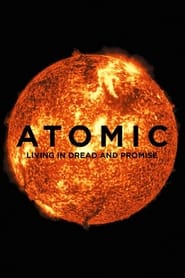
star 6.6Using only archive film and a new musical score by the band Mogwai, Mark Cousins presents an impressionistic kaleidoscope of our nuclear times – protest marches, Cold War sabre-rattling, Chernobyl and Fukishima – but also the sublime beauty of the atomic world, and how x-rays and MRI scans have improved human lives. The nuclear age has been a nightmare, but dreamlike too.A Doctor's Sword
2015
A Doctor's Sword
2015
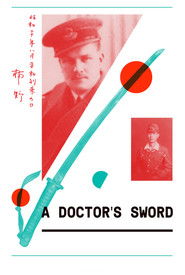
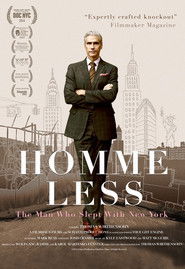
star 5.4An Irish doctor survived the atomic bomb attack on Nagasaki and was given a Samurai sword for the lives he saved. 70 years later his family searches for the origin of their father's sword.Homme Less
2015
Homme Less
2015
star 6.3HOMME LESS is about the underbelly of the American Dream, the hidden backyard of our society.Steve Jobs: The Man in the Machine
2015
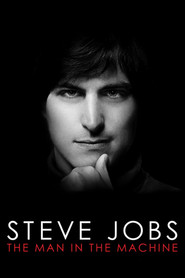
star 6.6When Steve Jobs died the world wept. But what accounted for the grief of millions of people who didn’t know him? This evocative film navigates Jobs' path from a small house in the suburbs, to zen temples in Japan, to the CEO's office of the world's richest company, exploring how Jobs’ life and work shaped our relationship with the computer. The Man in the Machine is a provocative and sometimes startling re-evaluation of the legacy of an icon.Call Me Lucky
2015
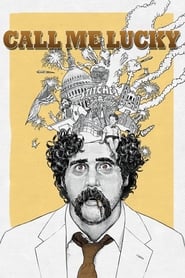
Call Me Lucky
2015
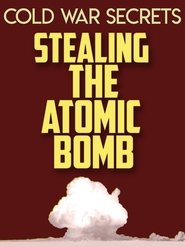
star 7An inspiring, triumphant and wickedly funny portrait of one of comedy’s most enigmatic and important figures, CALL ME LUCKY tells the story of Barry Crimmins, a beer-swilling, politically outspoken and whip-smart comic whose efforts in the 70s and 80s fostered the talents of the next generation of standup comedians. But beneath Crimmins’ gruff, hard-drinking, curmudgeonly persona lay an undercurrent of rage stemming from his long-suppressed and horrific abuse as a child – a rage that eventually found its way out of the comedy clubs and television shows and into the political arena.Cold War Secrets: Stealing the Atomic Bomb
2015
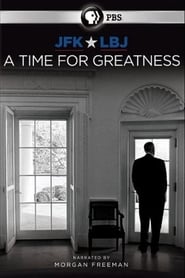
star 8.5On the 29th of August 1949, the USSR set off their first atomic bomb, just four years after the Americans. The speed with which they achieved this surprised the world. What nobody knew was that it was the result of espionage. At the centre of the operation was a very unusual female spy, Elizabeth Zaroubin, in a story worthy of the best spy novels ever written.JFK & LBJ: A Time for Greatness
2015
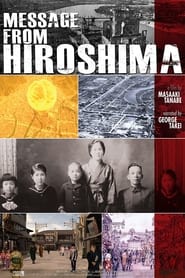
star 6How U.S. President Lyndon B. Johnson used his political prowess to make the Civil Rights Act of 1964 and the Voting Rights Act of 1965 happen. The story is told using rarely-seen footage, interviews and secret White House tapes.Message From Hiroshima
2015
star 8This documentary provides an inside look at the devastating effects of the first atomic bomb dropped, as depicted in testimonials from survivors, and computer-generated recreations of the city and way of life that were lost.Colin Hay: Waiting for My Real Life
2015
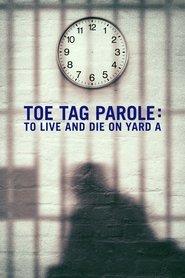
star 5.3The story of singer-songwriter Colin Hay, former front-man of Men At Work. We follow Hay from his earliest days in Scotland, through his family's emigration to Australia, to the massive, worldwide success of his band, to the depths of addiction and failure, to a slow climb back up the ladder seeking relevance, artistic freedom and ultimately, transcendence.Toe Tag Parole: To Live and Die on Yard A
2015
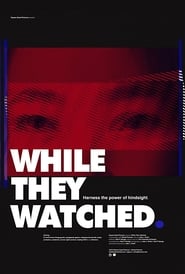
star 6.5In 2000, a California State Prison inmate serving Life Without Parole (LWOP) approached the warden to request a dedicated yard for men serving life sentences that would break the code of violence dominating prison life. The California Department of Corrections and Rehabilitation (CDCR) subsequently transformed Yard A at California State Prison into The Progressive Programming Facility, which inmates call The Honor Yard. The only one of its kind in the United States, this experimental prison yard is free of violence, racial tensions, gang activity and illegal drug and alcohol use.While They Watched
2015
While They Watched
2015
star 7.5Documentary about North Korea, set in the future after the regime has collapsed. Harnessing the power of hindsight the film questions the morality of the current inaction by regional and global powers towards the North Korean dictatorship.