New Documentary Movies on Apple iTunes - Page 437
All Services
Free Services
 Netflix
 Amazon Prime Video
 Apple iTunes
 Apple TV Plus
 Disney Plus
 Google Play Movies
 Paramount Plus
 Hulu
Hulu
 HBO Max
 YouTube
 fuboTV
 Peacock
 Peacock Premium
 Amazon Video
 The Roku Channel
 AMC+
AMC on Demand
AMC+
AMC on Demand
 Kocowa
 Hoopla
 The CW
 Vudu
Vudu
 Starz
Starz
 Showtime
 PBS
PBS
 Pantaflix
 FXNow
FXNow
 Tubi TV
 Kanopy
 Comedy Central
 Crunchyroll
 Microsoft Store
 Redbox
 Sun Nxt
 ABC
ABC
 DIRECTV
 Crackle
 Fandor
 Plex
Plex
Netflix
Amazon Prime Video
Apple iTunes
Apple TV Plus
Disney Plus
Google Play Movies
Paramount Plus
Hulu
HBO Max
YouTube
fuboTV
Peacock
Peacock Premium
Amazon Video
The Roku Channel
AMC+
AMC on Demand
Kocowa
Hoopla
The CW
Vudu
Starz
Showtime
PBS
Pantaflix
FXNow
Tubi TV
Kanopy
Comedy Central
Crunchyroll
Microsoft Store
Redbox
Sun Nxt
ABC
DIRECTV
Crackle
Fandor
Plex

16 Days of Glory
1985
16 Days of Glory
1985
star 7.2The definitive photographic record of the 1984 Los Angeles Olympics, told "from the inside" through the lives of the participants, the words of David Perry, and the singing voice of Placido Domingo. From the opening to closing ceremonies, this unique style of storytelling shows a side of the Olympic Games not seen by television audiences.Stripper
1985
Stripper
1985
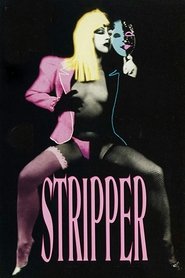
star 5.2A strippers' convention and a major contest. The movie focuses on a few strippers, each with her own strong motive to win.Caffè Italia, Montréal
1985
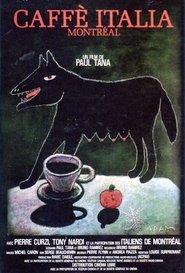
Using archival documents, fictions, current accounts, and excerpts from a theatrical creation, Paul Tana paints a nuanced portrait of the Italians of Montreal. From the first waves of immigration at the beginning of the century to the men and women taken to a prisoner of war camps during World War II, to the hardships and joys of building vibrant lives in Montréal. Caffè Italia Montréal chronicles a significant chapter in Canada’s history.Jack Kerouac: King of the Beats
1985
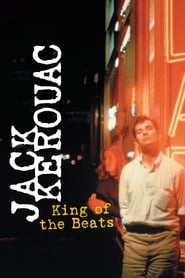
star 6.3Jack Kerouac's life is examined through interviews with his contemporaries and friends including Allen Ginsberg, Lawrence Ferlinghetti and William S. Burroughs. The film also employs dramatic recreations of Kerouac's life beginning with his early childhood.No Sad Songs
1985
No Sad Songs
1985
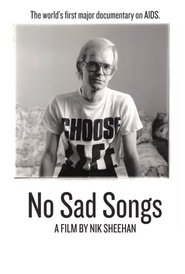
star 2.7Jim Black, a 37-year-old Canadian talks about the AIDS that is killing him. He talks about his life and his friends and how his brother's family has rejected him. Catherine Hunt is a Canadian woman whose brother is dying of AIDS. These personal stories are presented with excerpts from a series of performances by Canadian musicians and performance artists in order to give the viewer a bigger picture of the impact of this disease.We Are the World: The Story Behind the Song
1985
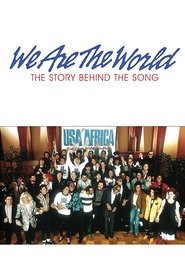
star 8.5We Are the World: The Story Behind the Song is a documentary which examines how the song was written, how producer Quincy Jones and songwriters Michael Jackson and Lionel Richie persuaded some of the most popular performers in America to donate their services to the project, and offers a behind-the-scenes look at the marathon recording session that produced the single.That's Dancing!
1985
That's Dancing!
1985
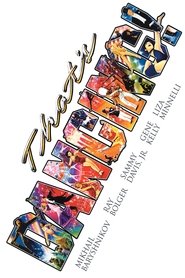
star 7A documentary film about dancing on the screen, from it's orgins after the invention of the movie camera, over the movie musical from the late 20s, 30s, 40s 50s and 60s up to the break dance and the music videos from the 80s.Queen: Live In Rio
1985
Queen: Live In Rio
1985
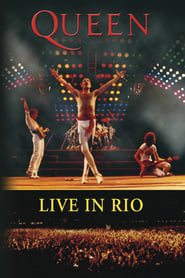
star 8.5British rock's greatest entertainers play to more than 300,000 people in Rio, Brazil, headlining the first Rock in Rio festival in January 1985.Ano Novo, Vida Nova
1985
Ano Novo, Vida Nova
1985
Orizzonti di gloria
1985
Orizzonti di gloria
1985
Young band musicians from the Province of Turin face the idea that they won't ever be famous.The Story of the Kinks
1985
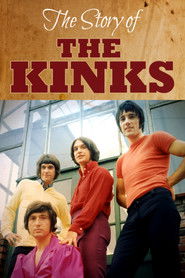
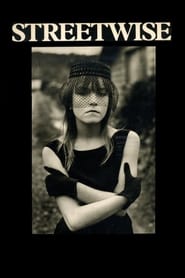
Discover the inside story of the most influential English rock band of the '60s. Inspired by a mix of genres including rhythm and blues, folk and country, their music created a British Invasion around the world. Their third single "You Really Got Me" became an international hit and went straight to the top of the charts in the UK. With seventeen top 20 singles and five top ten albums in the UK, the Kinks had an incredibly successful career spanning over 30 years. Featuring interviews with key members of the group, this is their story.Streetwise
1984
Streetwise
1984
star 7.5This documentary about teenagers living on the streets in Seattle began as a magazine article. The film follows nine teenagers who discuss how they live by panhandling, prostitution, and petty theft.Francis Bacon and the Brutality of Fact
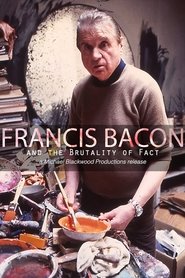
1984
In his London studio, Francis Bacon discusses his work and approach with David Sylvester. His representations of the human figure in portraits and triptychs link him to the distorted realism of Van Gogh and Picasso, who also portrayed the intensity of life that Bacon calls “the brutality of fact.”Stop Making Sense
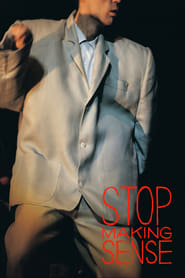
1984
Stop Making Sense
1984
star 8.3A concert film documenting Talking Heads at the height of their popularity, on tour for their 1983 album "Speaking in Tongues." The band takes the stage one by one and is joined by a cadre of guest musicians for a career-spanning and cinematic performance that features creative choreography and visuals.Ballad of the Little Soldier
1984
star 6.4A group of Miskito Indians use Nicaraguan child soldiers in their resistance against the Sandinistas.The Making of Mickey's Christmas Carol
1984
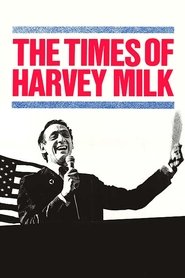
star 6.3A making of documentary for Mickey's Christmas Carol (1983)The Times of Harvey Milk
1984
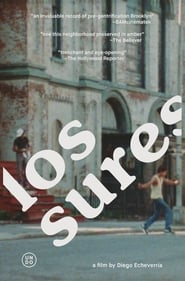
star 7.2Harvey Milk was an outspoken human rights activist and one of the first openly gay U.S. politicians elected to public office; even after his assassination in 1978, he continues to inspire disenfranchised people around the world.Los Sures
1984
Los Sures
1984
star 6.6A documentary on the inhabitants of South Williamsburg, New York, whose lives are explored through the testimony of five inhabitants of the Brooklyn neighborhood. In the late 70s and early 80s, Los Sures was one of the poorest neighborhoods in New York City. In fact, it had been called the worst ghetto in America. Diego Echeverria's film skillfully represents the challenges of its time: drugs, gang violence, crime, abandoned real estate, racial tension, single-parent homes, and inadequate local resources. The complex portrait also celebrates the vitality of this largely Puerto Rican and Dominican community, showing the strength of their culture, their creativity, and their determination to overcome a desperate situation.America and Lewis Hine
1984
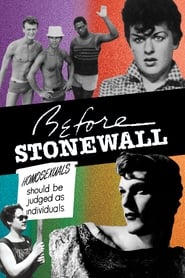
star 6Documentary about early 20th-century photographer Lewis Hine, who helped to expose grim working conditions in American factories and mines, especially the abuse and exploitation of children by their employers. Later, he became the official photographer for the construction of the Empire State Building.Before Stonewall
1984
Before Stonewall
1984
star 6.5New York City's Stonewall Inn is regarded by many as the site of gay and lesbian liberation since it was at this bar that drag queens fought back against police June 27-28, 1969. This documentary uses extensive archival film, movie clips and personal recollections to construct an audiovisual history of the gay community before the Stonewall riots.