New Documentary Movies on Apple iTunes - Page 434
All Services
Free Services
 Netflix
 Amazon Prime Video
 Apple iTunes
 Apple TV Plus
 Disney Plus
 Google Play Movies
 Paramount Plus
 Hulu
Hulu
 HBO Max
 YouTube
 fuboTV
 Peacock
 Peacock Premium
 Amazon Video
 The Roku Channel
 AMC+
AMC on Demand
AMC+
AMC on Demand
 Kocowa
 Hoopla
 The CW
 Vudu
Vudu
 Starz
Starz
 Showtime
 PBS
PBS
 Pantaflix
 FXNow
FXNow
 Tubi TV
 Kanopy
 Comedy Central
 Crunchyroll
 Microsoft Store
 Redbox
 Sun Nxt
 ABC
ABC
 DIRECTV
 Crackle
 Fandor
 Plex
Plex
Netflix
Amazon Prime Video
Apple iTunes
Apple TV Plus
Disney Plus
Google Play Movies
Paramount Plus
Hulu
HBO Max
YouTube
fuboTV
Peacock
Peacock Premium
Amazon Video
The Roku Channel
AMC+
AMC on Demand
Kocowa
Hoopla
The CW
Vudu
Starz
Showtime
PBS
Pantaflix
FXNow
Tubi TV
Kanopy
Comedy Central
Crunchyroll
Microsoft Store
Redbox
Sun Nxt
ABC
DIRECTV
Crackle
Fandor
Plex

Pictures from a Revolution
1991
star 6.1In 1981, Susan Meiselas published "Nicaragua, June 1978 to July 1979," 70 photographs she took documenting the Sandanista revolution. Ten years later, Meiselas returns looking for the people who appear in the photographs: where are they now, what do they remember, what do they think of their country and of the revolution? She finds a woman who buried her husband when she was 14; she talks to those who fought the Guarda Nacional - some are disillusioned, some still have the fervor of revolution; she talks to mothers about their sons; she finds a Guarda member who became a Contra. And she offers her own reflections on time and history and on the moment and meaning of a photograph.A Brief History of Time
1991
star 7.2This shows physicist Stephen Hawking's life as he deals with the ALS that renders him immobile and unable to speak without the use of a computer. Hawking's friends, family, classmates, and peers are interviewed not only about his theories but the man himself.Here's Looking At You, Warner Bros.
1991
star 6This documentary provides a behind the scenes glimpse into the history of the Warner Bros. Studios. It begins with a look at the silent movies and ends with the action-packed movies of today. Features movie clips and a look at historic musicals and westerns. Several actors and actresses that helped to build the studio are presented, including rare interviews with John Wayne, Robert Redford, Bette Davis, and Natalie Wood.One Hand Don't Clap
1991
One Hand Don't Clap
1991
star 6Kavery Kaul’s engaging documentary traces the history of calypso and soca music from their birth in the African-East Indian traditions of Trinidad and Tobago through its worldwide diaspora, including its popularization in the 1950s by Harry Belafonte and the new independent distribution networks that arose to serve the expatriate community in the 1980s. North American restoration premiere at To Save and Project: The 19th MoMA International Festival of Film Preservation on January 27 and 31, 2023. Digital restoration by the Academy Film Archive and the Women’s Film Preservation Fund of New York Women in Film & Television; courtesy of Riverfilms.In the Shadow of the Stars
1991
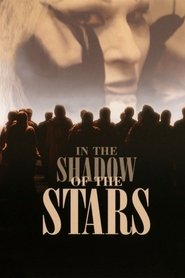
star 5.8A hilarious and affectionate look at the path to stardom inside the competitive world of opera. Filmmakers Allie Light and Irving Saraf relegate the divas to the background and focus on a limelight-craving group of "choristers" -- the seldom-noticed singers who stand behind the soloists portraying peasants, soldiers and slaves.Trump: What's The Deal?
1991
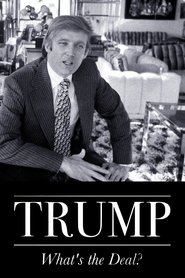
star 5.3The film was commissioned in 1988 by Leonard Stern as the first of a series on celebrity businessmen and finished in 1991. Back then, the only way for a film to be seen was on television or in the theater. Donald threatened to sue any broadcaster or distributor that took on the film. In effect, it was suppressed. It was screened twice in back-to-back standing room only showings at the Bridgehampton Community House on July 3, 1991, the same day that Donald announced his engagement to Marla Maples.Operation Welcome Home
1991
An original documentary, this film contains previously classified footage provided by the Defense Department. Included is an exclusive on-camera "host" appearance by General Colin Powell, actual archival and pictorial footage, interviews, narrative with celebrities and key military personnel and the returning home after Desert Storm.Saddam's Iraq
1991
Saddam's Iraq
1991
Filmed just before the First Gulf War, it depicts a prosperous and sophisticated society in which every aspect of life is coloured by 'love' for the 'Great Leader'. Darkly ironic, this film captures the surreal and Orwellian nature of life under Saddam Hussein. In a country which today has lost even its most basic services, the testimony of this vanquished middle-class and the prosperity of their society resonates on many levels.Paris Is Burning
1991
Paris Is Burning
1991
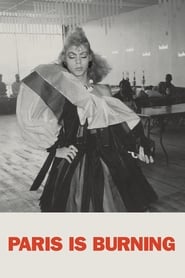
star 8Where does voguing come from, and what, exactly, is throwing shade? This landmark documentary provides a vibrant snapshot of the 1980s through the eyes of New York City's African American and Latinx Harlem drag-ball scene. Made over seven years, PARIS IS BURNING offers an intimate portrait of rival fashion "houses," from fierce contests for trophies to house mothers offering sustenance in a world rampant with homophobia, transphobia, racism, AIDS, and poverty. Featuring legendary voguers, drag queens, and trans women — including Willi Ninja, Pepper LaBeija, Dorian Corey, and Venus Xtravaganza.Absolutely Positive
1991
Absolutely Positive
1991
star 111 people — women and men, gay and straight, from all walks of life — share their stories. Alternately irreverent, candid and soulful, this stirring film is not about being sick; it is about being true to the emotional complexity of being mortal.Mariah Carey: The First Vision
1991
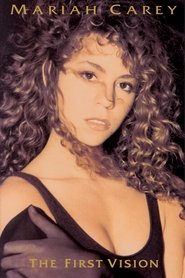
Mariah Carey's The First Vision, gives viewers an inside look at Mariah on the cusp of her meteoric rise to superstardom. This 1991 film contains early music videos, behind-the-scenes footage, an interview and songs from her very first live performance at New York's intimate Tatou Club.Echoes from a Sombre Empire
1990
star 7.1Documentary examining Bokassa's rule in the Central African Republic using the testimony of witnesses and visits to key sites.Listen Up: The Lives of Quincy Jones
1990
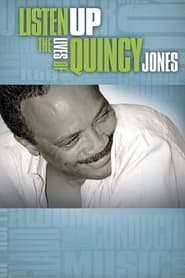
star 6The extraordinary life of Quincy Jones -- one of the 20th century's most influential and talented composers, musicians and music producers -- provides the basis of this offbeat, free-form documentary tribute. With little regard for formal timelines and traditional documentary biography methods, the film is an amazing patchwork of personal insights featuring a constellation of music stars including his long-time friend Ray Charles, Miles Davis, Frank Sinatra, Herbie Hancock, Ella Fitzgerald, Michael Jackson, Aretha Franklin, Dizzy Gillespie and rappers Big Daddy Kane and Flavor Flav, as well as politicians, filmmakers and other important people. Some of the most moving scenes involve Jones returning to his childhood home in Chicago and recounting honest and painful memories from his childhood. Jones does not shy from discussing everything -- from his mother's mental illness, to his marital problems, to his serious health conditions. He also looks frankly at his career.Resident Alien
1990
Resident Alien
1990
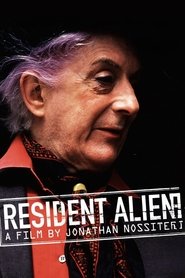
star 4.7At age 73, writer and melancholy master of the bon mot, Quentin Crisp (1908-1999), became an Englishman in New York. Nossiter's camera follows Crisp about the streets of Manhattan, where Crisp seems very much at home, wearing eye shadow, appearing on a makeshift stage, making and repeating wry observations, talking to John Hurt (who played Crisp in the autobiographical TV movie, "The Naked Civil Servant"), and dining with friends. Others who know Crisp comment on him, on his life as an openly gay man with an effeminate manner, and on his place in the history of gays' social struggle. The portrait that emerges is of one wit and of suffering.George Carlin: Doin' It Again
1990
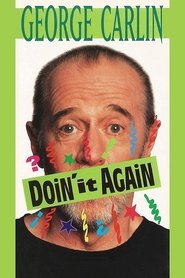
star 7.6George Carlin brings his comedy back to New Jersey and this time talks about Offensive Language, Euphemisms, They're Only Words, Dogs, Things you never hear, see or wanna hear, Some people are stupid, Cancer, Feminists, Good Ideas, Rape, Life's moments, and organ donors.Berkeley in the Sixties
1990
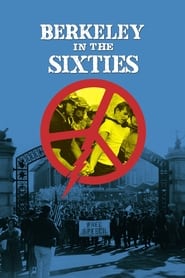
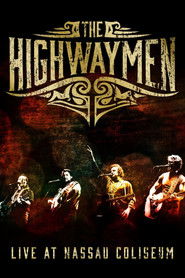
star 5.8A documentary about militant student political activity at the University of California, Berkeley in the 1960s.The Highwaymen: Live at Nassau Coliseum
1990
star 8.5Willie Nelson, Waylon Jennings, Johnny Cash and Kris Kristofferson perform live at Long Island's Nassau Coliseum in 1990.Dream in broad daylight
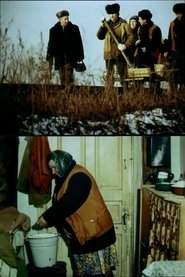
1990
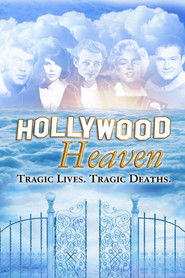
A 30-year-old documentary film on how people in the USSR lived "happily".Hollywood Heaven: Tragic Lives, Tragic Deaths
1990
star 5.7Welcome behind the closed doors of a Hollywood that only a select few will ever get to see -- a Hollywood of tragic lives and tragic deaths. Some of the worlds brightest stars are hiding deep, dark secrets that - once revealed show a life of unhappiness, heartbreak and torment that has been so carefully hidden behind the glamour and glitter of the big screen. See the true lives behind some of Hollywoods most iconic stars and learn why, for some, it was as if the act of dying itself was a final performance.