New Documentary Movies on Apple iTunes - Page 444
All Services
Free Services
 Netflix
 Amazon Prime Video
 Apple iTunes
 Apple TV Plus
 Disney Plus
 Google Play Movies
 Paramount Plus
 Hulu
Hulu
 HBO Max
 YouTube
 fuboTV
 Peacock
 Peacock Premium
 Amazon Video
 The Roku Channel
 AMC+
AMC on Demand
AMC+
AMC on Demand
 Kocowa
 Hoopla
 The CW
 Vudu
Vudu
 Starz
Starz
 Showtime
 PBS
PBS
 Pantaflix
 FXNow
FXNow
 Tubi TV
 Kanopy
 Comedy Central
 Crunchyroll
 Microsoft Store
 Redbox
 Sun Nxt
 ABC
ABC
 DIRECTV
 Crackle
 Fandor
 Plex
Plex
Netflix
Amazon Prime Video
Apple iTunes
Apple TV Plus
Disney Plus
Google Play Movies
Paramount Plus
Hulu
HBO Max
YouTube
fuboTV
Peacock
Peacock Premium
Amazon Video
The Roku Channel
AMC+
AMC on Demand
Kocowa
Hoopla
The CW
Vudu
Starz
Showtime
PBS
Pantaflix
FXNow
Tubi TV
Kanopy
Comedy Central
Crunchyroll
Microsoft Store
Redbox
Sun Nxt
ABC
DIRECTV
Crackle
Fandor
Plex

A Man Vanishes
1967
A Man Vanishes
1967
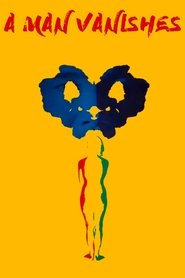
star 6.7A Man Vanishes examines the concept of Johatsu, tackling the phenomenon of people missing in Japan over the years. It picks one such person from the list, someone who had seemed to disappear from the face of the earth due to embezzlement from his company, and the filmmakers begin an investigative documentary into the reasons behind and attempt at tracking him down.Rush to Judgment
1967
Rush to Judgment
1967
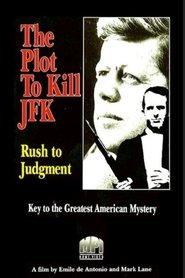
star 6.5Mark Lane interviews witnesses to the Kennedy assassination and exposes serious flaws in the conclusions made by the Warren Commission.Dont Look Back
1967
Dont Look Back
1967
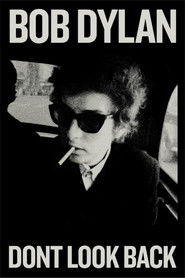
star 7.4In this wildly entertaining vision of one of the twentieth century’s greatest artists, Bob Dylan is surrounded by teen fans, gets into heated philosophical jousts with journalists, and kicks back with fellow musicians Joan Baez, Donovan, and Alan Price.Heleno
1967
Heleno
1967
Easy Come Easy Go (The Easybeats)
1967
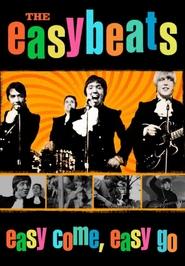
A lost documentary filmed in 1967 chronicling the Australian pop group, The Easybeats.The Endless Summer
1966
The Endless Summer
1966
star 7.2Bruce Brown's The Endless Summer is one of the first and most influential surf movies of all time. The film documents American surfers Mike Hynson and Robert August as they travel the world during California’s winter (which, back in 1965 was off-season for surfing) in search of the perfect wave and ultimately, an endless summer.Ladies and Gentlemen, Mr. Leonard Cohen
1966
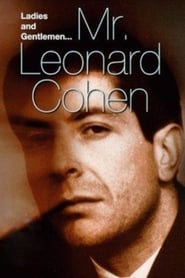
star 7.2A 1964 documentary portrait of Cohen in his pre-musician days as a poet and stand-up comedian.Africa Blood and Guts
1966
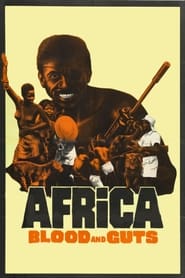
star 6.2A chronicle of the violence that occurred in much of the African continent throughout the 1960s. As many African countries were transitioning from colonial rule to other forms of government, violent political upheavals were frequent. Revolutions in Zanzibar and Kenya in which thousands were killed are shown, the violence not only political; there is also extensive footage of hunters and poachers slaughtering different types of wild animals.Tokyo Olympiad
1965
Tokyo Olympiad
1965
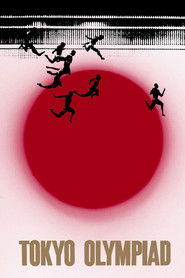
star 7.8This impressionistic portrait of the 1964 Tokyo Summer Olympics pays as much attention to the crowds and workers as it does to the actual competitive events. Highlights include an epic pole-vaulting match between West Germany and America, and the final marathon race through Tokyo's streets. Two athletes are highlighted: Ethiopian marathon runner Abebe Bikila, who receives his second gold medal, and runner Ahamed Isa from Chad, representing a country younger than he is.The Cincinnati Kid Plays According to Hoyle
1965
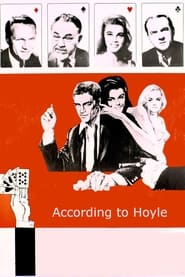
A promotional short for The Cincinnati Kid (1965) showcasing the card handling skills of magician and one-time gambler Jay Ose who was hired as technical adviser to instruct the actors on the techniques used by professional poker players.Faces of November
1964
Faces of November
1964
star 6.3Robert Drew shows the sights and sounds from the funeral of President John F. Kennedy in November, 1963. Preserved by the Academy Film Archive in 2002.Crisis: Behind a Presidential Commitment
1963
star 6.9During a two-day period before and after the University of Alabama integration crisis, the film uses five camera crews to follow President John F. Kennedy, attorney general Robert F. Kennedy, Alabama governor George Wallace, deputy attorney general Nicholas Katzenbach and the students Vivian Malone and James Hood. As Wallace has promised to personally block the two black students from enrolling in the university, the JFK administration discusses the best way to react to it, without rousing the crowd or making Wallace a martyr for the segregationist cause. Preserved by the Academy Film Archive in partnership with The Film Foundation in 1999.There's No Business Like No Business
1963
On behalf of the Arvin Corporation, Buster Keaton demonstrates the importance of using Maremont auto parts for potential repairs while running a petrol station.Mondo Cane
1962
Mondo Cane
1962
star 6.3A documentary consisting of a series of travelogue vignettes providing glimpses into cultural practices throughout the world intended to shock or surprise, including an insect banquet and a memorable look at a practicing South Pacific cargo cult.Aga Khan
1961
Aga Khan
1961
In 1960, Robert Drew founded his production company Drew Associates; joining him were a number of well-known or soon-to-be well-known documentary filmmakers including Richard Leacock, Albert Maysles and D.A. Pennebaker. Between 1960-63, Drew Associates produced 17 documentary films for television. Aga Khan was part of a 12-film subset of these known as The Living Camera, which were funded by Time and broadcast in syndication around the country. It shows the young Prince Karim at a time when he recently took over as spiritual leader of his Ismaili Muslim community. The film follows him to Switzerland, France and Africa as he steps out of the shadows to lead as the hereditary Imam.The Human Pyramid
1961
The Human Pyramid
1961
star 6.5Jean Rouch gives a group of black and white teenagers a "what if" question: what if they socialised with each other? The teenagers then improvise their own characters and situations.Adventures on the New Frontier
1961
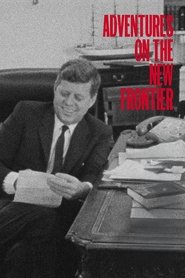
star 5.5A look at the daily business of U.S. President John F. Kennedy, with a focus on some of the political issues he faces six weeks into his term. Preserved by the Academy Film Archive in 2007.Primary
1960
Primary
1960
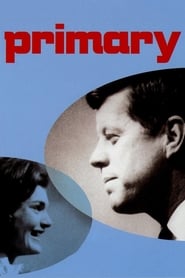
star 6.4Primary is a documentary film about the primary elections between John F. Kennedy and Hubert Humphrey in 1960. Primary is the first documentary to use light equipment in order to follow their subjects in a more intimate filmmaking style. This unconventional way of filming created a new look for documentary films where the camera’s lens was right in the middle of what ever drama was occurring. Preserved by the Academy Film Archive in partnership with The Film Foundation in 1998.Jungle Cat
1960
Jungle Cat
1960
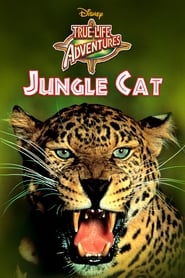
star 7.3This final True-Life Adventure would also appear to be one of the best, as we go into the South American jungle to observe the jaguar. Jungle Cat is more intimate than its kin, allowing individual animal characters to be developed. Central to the cast is a pair of jaguars (one ebony), whose fighting leads to love and, not long after, two babies (one resembling each parent).Jazz on a Summer's Day
1960
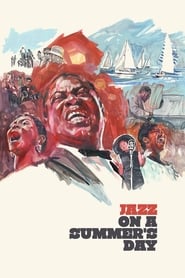
star 7.2Set at the 1958 Newport Jazz Festival, this documentary mixes images of water and the town with performers and audience. The film progresses from day to night and from improvisational music to Gospel. It's a concert film that suggests peace and leisure, jazz at a particular time and place.