New Documentary Movies on Hoopla - Page 242
All Services
Free Services
 Netflix
 Amazon Prime Video
 Apple iTunes
 Apple TV Plus
 Disney Plus
 Google Play Movies
 Paramount Plus
 Hulu
Hulu
 HBO Max
 YouTube
 fuboTV
 Peacock
 Peacock Premium
 Amazon Video
 The Roku Channel
 AMC+
AMC on Demand
AMC+
AMC on Demand
 Kocowa
 Hoopla
 The CW
 Vudu
Vudu
 Starz
Starz
 Showtime
 PBS
PBS
 Pantaflix
 FXNow
FXNow
 Tubi TV
 Kanopy
 Comedy Central
 Crunchyroll
 Microsoft Store
 Redbox
 Sun Nxt
 ABC
ABC
 DIRECTV
 Crackle
 Fandor
 Plex
Plex
Netflix
Amazon Prime Video
Apple iTunes
Apple TV Plus
Disney Plus
Google Play Movies
Paramount Plus
Hulu
HBO Max
YouTube
fuboTV
Peacock
Peacock Premium
Amazon Video
The Roku Channel
AMC+
AMC on Demand
Kocowa
Hoopla
The CW
Vudu
Starz
Showtime
PBS
Pantaflix
FXNow
Tubi TV
Kanopy
Comedy Central
Crunchyroll
Microsoft Store
Redbox
Sun Nxt
ABC
DIRECTV
Crackle
Fandor
Plex

Project XX: The Jazz Age
1956
The period between the end of World War I and the crash of 1929 is known as the Jazz Age in America, a time of high-energy nightclubs, wild Prohibition evasion and an "America first" attitude. Narrated by Fred Allen. Note: Originally part of Project XX, this film was also distributed separately on 16mm for schools and libraries, qualifying it as a standalone documentary.All the World's Memory
1956
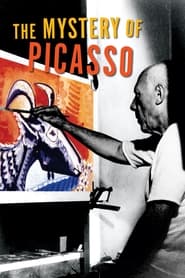
star 7A documentary about the Bibliothèque Nationale in Paris. It presents the building, with its processes of cataloguing and preserving all sorts of printed material, as both a monument of cultural memory and as a monstrous, alien being.The Mystery of Picasso
1956
star 7.3Using a specially designed transparent 'canvas' to provide an unobstructed view, Picasso creates as the camera rolls. He begins with simple works that take shape after only a single brush stroke. He then progresses to more complex paintings, in which he repeatedly adds and removes elements, transforming the entire scene at will, until at last the work is complete.Unidentified Flying Objects: The True Story of Flying Saucers
1956
star 5.8Interviews and documentary footage combine with the fictional story of an air-force pilot who encounters aliens.Jazz Ball
1956
Jazz Ball
1956
star 7A made-for-TV musical revue, compiled from soundies and film and TV performances by jazz greats from the 1930s to the 1950s.The History of Flight: We Saw It Happen
1953
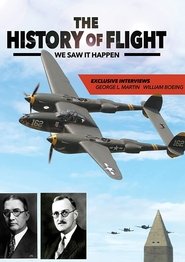
This documentary, chronicles the first 50 years of flight, from the Wright Brothers first flight in 1903 to 1953. It includes interviews with an original mechanic who worked in their bicycle shop and a wide range of other pioneers such as Frank Long, Igor Sikorsky, Glen Martin, Alan Lockheed, Eddie Rickenbacker, Jimmy Doolittle, LeRoy Grumman, Robert Gross Connie and Wellwood Beel.Guernica
1951
Guernica
1951
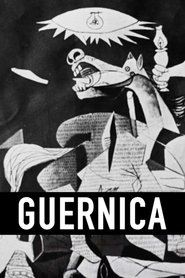
star 5.9Alain Resnais & Robert Hessen use the famous Picasso mural "Guernica" in combination with newspaper headlines in an anti-war cry against the Spanish Civil War. Narration by Jacques Pruvost highlights the Guernica atrocity of April 1937, followed by a poem by Paul Eluard read by María Casares to a discordant score by Guy Bernard.Colette
1951
Colette
1951
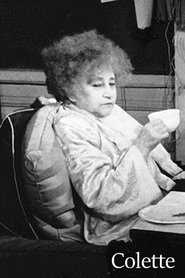
star 6.3In conversation, in her Paris apartment, Sidonie-Gabrielle Colette, mime, dancer, novelist, wonders whether she should give the green light to a proposed film about the houses in which she lived. “I’m no longer photogenic,” she insists; nearly 80, marriages, affair with a stepson and intermittent lesbianism behind her, refusing now even to mention the arthritis that confines and assaults her, Colette is vivacious. Yannick Bellon’s captivating postmodernist film, as much a study of evanescence as any poem by Dickinson, segues into the film that Colette, a few years before her end, has just said she doesn’t want to do. Giving voice(over) to her own commentary, she goes back, first, to the home in Saint-Sauveur-en-Puisaye, Yonne, where she was born.Un homme est mort
1951
Un homme est mort
1951
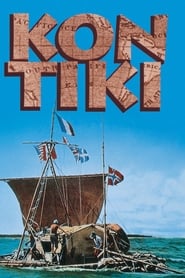
Film about the death of the worker Édouard Mazé, killed in Brest by the mobile guards, during the demonstrations and strikes of 1951.Kon-Tiki
1950
Kon-Tiki
1950
star 7.4"Kon-Tiki" was the name of a wooden raft used by six Scandinavian scientists, led by Thor Heyerdahl, to make a 101-day journey from South America to the Polynesian Islands. The purpose of the expedition was to prove Heyerdal's theory that the Polynesian Islands were populated from the east- specifically Peru- rather than from the west (Asia) as had been the theory for hundreds of years. Heyerdahl made a study of the winds and tides in the Pacific, and by simulating conditions as closely as possible to those he theorized the Peruvians encountered, set out on the voyage.Our Living Declaration of Independence
1950
Freedom, rights, obligations, the pursuit of happiness -- meanings of these terms are explored as this film develops its theme that the Declaration of Independence is not a dead historical document, but a vital force and guide to living today.Submarine Warfare
1946
Submarine Warfare
1946
star 6In this documentary we get a glimpse into the world of submarines and have access to rare archive footage. From the first attempts during the American Civil War to WW2 and the nuclear subs of today, the history of the submarine has been fraught with difficulties.The Story of Submarine Warfare in the Pacific
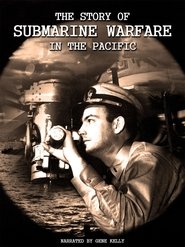
1945
The U.S. Pacific submarine fleet was all that was available in the early days of America's involvement in World War 2 and it took the fight to the Japanese with great success.Appointment in Tokyo
1945
Appointment in Tokyo
1945
star 5.8Produced by the Army Pictorial Service, Signal Corps, with the cooperation of the Army Air Forces and the United States Navy, and released by Warner Bros. for the War Activities Committee shortly after the surrender of Japan. Follow General Douglas MacArthur and his men from their exile from the Philippines in early 1942, through the signing of the instrument of surrender on the USS Missouri on September 1, 1945. Preserved by the Academy Film Archive in 2013.Nazi Concentration Camps
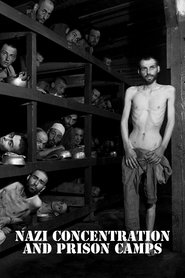
1945
star 7.7Produced and presented as evidence at the Nuremberg war crimes trial of Hermann Göring and twenty other Nazi leaders, this film consists primarily of dead and surviving prisoners and of facilities used to kill and torture during the World War II.The Stilwell Road
1945
The Stilwell Road
1945
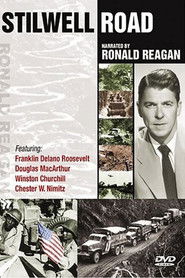
Documentary - Documentary about the construction of the Stilwell Road--originally called The Ledo Road--a 478-mile passage from Assam, India, to Ledo, Burma, during World War II. The road, which was built by 63,000 workers and cost $150 million, was used by the British, Chinese and Indian armies to transport supplies, troops and other essentials from India to Burma in order to keep the Japanese from overrunning the entire theater. - Ronald Reagan, Harold Alexander, Claude AuchinleckWar Comes to America
1945
War Comes to America
1945
star 7The seventh and final film of Frank Capra's Why We Fight World War II propaganda film series. This entry attempts to describe the factors leading up to America's entry into the Second World War.To the Shores of Iwo Jima
1945
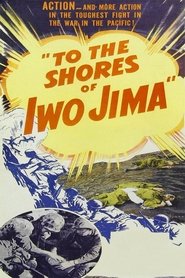
star 6.7Documentary short film depicting the American assault on the Japanese-held island of Iwo Jima and the massive battle that raged on that key island in the Allied advance on Japan. Four cameramen died bringing this footage to the publicThe Battle of San Pietro
1945
star 6This documentary movie is about the battle of San Pietro, a small village in Italy. Over 1,100 US soldiers were killed while trying to take this location, that blocked the way for the Allied forces from the Germans. Preserved by the Academy Film Archive in 2005.Why We Fight: The Battle of China
1944
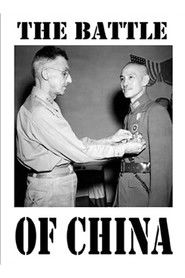
star 6.5The sixth film of Frank Capra's Why We Fight propaganda film series illustrates Japan's occupation of China, including Madame Chiang Kai-Shek's stirring address before congress, the rape of Nanking, the great 2,000 mile migration, and Claire Chennault's Flying Tigers.