New Documentary Movies on Hoopla - Page 243
All Services
Free Services
 Netflix
 Amazon Prime Video
 Apple iTunes
 Apple TV Plus
 Disney Plus
 Google Play Movies
 Paramount Plus
 Hulu
Hulu
 HBO Max
 YouTube
 fuboTV
 Peacock
 Peacock Premium
 Amazon Video
 The Roku Channel
 AMC+
AMC on Demand
AMC+
AMC on Demand
 Kocowa
 Hoopla
 The CW
 Vudu
Vudu
 Starz
Starz
 Showtime
 PBS
PBS
 Pantaflix
 FXNow
FXNow
 Tubi TV
 Kanopy
 Comedy Central
 Crunchyroll
 Microsoft Store
 Redbox
 Sun Nxt
 ABC
ABC
 DIRECTV
 Crackle
 Fandor
 Plex
Plex
Netflix
Amazon Prime Video
Apple iTunes
Apple TV Plus
Disney Plus
Google Play Movies
Paramount Plus
Hulu
HBO Max
YouTube
fuboTV
Peacock
Peacock Premium
Amazon Video
The Roku Channel
AMC+
AMC on Demand
Kocowa
Hoopla
The CW
Vudu
Starz
Showtime
PBS
Pantaflix
FXNow
Tubi TV
Kanopy
Comedy Central
Crunchyroll
Microsoft Store
Redbox
Sun Nxt
ABC
DIRECTV
Crackle
Fandor
Plex

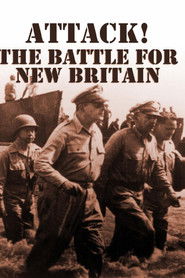
Attack! The Battle for New Britain
1944
star 6Actual footage by the United States Signal Corps of the landing and attack on Arawe Beach, Cape Glouster, New Britain island in 1943 in the South Pacific theatre of World War Two, and the handicaps of the wild jungle in addition to the Japanese snipers and pill-box emplacements.The Memphis Belle
1944
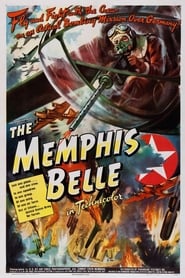
The Memphis Belle
1944
star 6.6This WW2 documentary centers on the crew of the American B-17 Flying Fortress Memphis Belle as it prepares to execute a strategic bombing raid on Nazi submarine pens in Wilhelmshaven, Germany.Tunisian Victory
1944
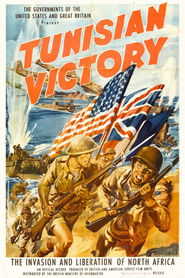
Tunisian Victory
1944
star 6.2Documentary made by the U.S. Army Signal Corps after the North African campaign.Attack in the Pacific
1944
Part of a a video series that documents the fighting between the United States and Imperial Japan during and immediately after World War II.Submarine Warfare
1944
Submarine Warfare
1944
In the late 1800's the father of submarines, Mr John Holland, hit upon the idea of powering a submarine with an internal combustion engine and an electric motor. For over a hundred years, since the first semi-successful attempts during the American Civil War, submarine warfare had been fraught with difficulties and failure. In 1901, the Holland I was launched as the first Royal Navy submarine and submarines have been an integral part of the Navy ever since.Why We Fight: The Battle of Russia
1943
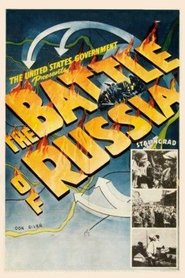
star 6.8The fifth film of Frank Capra's Why We Fight propaganda film series, revealing the nature and process of the fight between the Soviet Union and Germany in the Second World War.How to Fly the P-47: High Altitude Flight and Aerobatics
1943
War Department Training Film No. 107-C In preceding films in this series you have met the P-47 and taken it through take-off, normal flight and landing. In this film we give the P-47 some action Presented by the Army Air Forces in cooperation with Republic Aviation Corporation 1943Combat America
1943
Combat America
1943
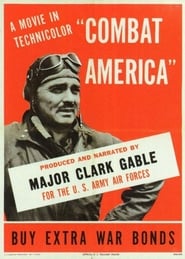
star 5.4Produced in 1943 under the guidance of Army Air Force Lieutenant Clark Gable, this film follows a single 8th Air Force B-17 crew from training through a series of missions over Europe.The Battle of Midway
1942
The Battle of Midway
1942
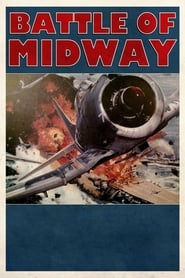
star 5.8The Japanese attack on Midway in June 1942, filmed as it happened. Preserved by the Academy Film Archive, in partnership with Twentieth Century Fox Film Corporation, in 2006.Why We Fight: Prelude to War
1942
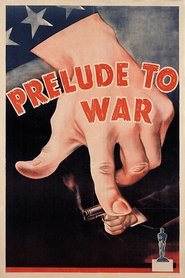
star 6.4Prelude to War was the first film of Frank Capra's Why We Fight propaganda film series, commissioned by the Pentagon and George C. Marshall. It was made to convince American troops of the necessity of combating the Axis Powers during World War II. This film examines the differences between democratic and fascist states.Target for Tonight
1941
Target for Tonight
1941
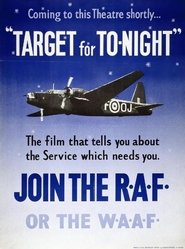
star 5.6This is the authentic story of a bombing raid on Germany... how it is planned and how it is executed. Every person seen in the picture is a member of the Royal Air Force from Commander-in-Chief to aircraft hand, re-enacting his own daily life on the job. They are the men and women who actually direct, plan and execute the raids.The River
1938
The River
1938
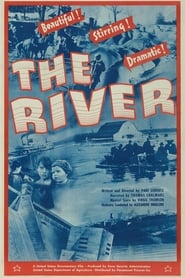
star 5.7This short Depression-era documentary describes the importance of the Mississippi River to the United States and laments the environmental destruction committed in the name of progress, particularly farming and timber practices and their impact on impoverished farmers.Cooking Milk with Hot Stones
1932
An ethnographic film by Milovan Gavazzi, the founder of Croatian ethnology. The films displays a practice that was already a rarity at the time.Land of the Maharajahs
1931
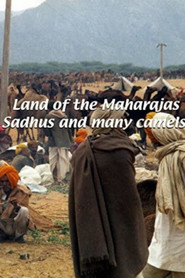
This travel film takes the viewer to the northern part of Rajasthan. After a quick day tour in New Delhi and its surroundings we visit the magnificently painted havelis of Shekhawati, in Jhunjhunu, Mandawa and Fatehpur, an area that used to be one of the most prosperous parts of India. From there we visit Bikaner with its impressive fort, maybe the most beautiful in Rajasthan, and the city's Jain temples ending the tour with remarkable traditional music and dance in Kuri village right outside of Jaisalmer.Whoopee!
1929
Whoopee!
1929
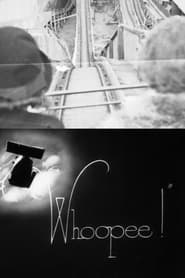
Short film from the British Pathé collection about an amusement park in Germany - various rides are seen, including a Helter Skelter. Was an item in Eve's Film Review issue number 459.Moana
1926
Moana
1926
star 6.6Robert J. Flaherty’s follow-up to Nanook of the North shifts from the Arctic to the South Seas, portraying Samoan village life with a painterly eye. Blending ethnographic detail with a romanticized “Gauguin idyll,” the film celebrates daily rituals, communal traditions, and the passage into adulthood, suffused with what Flaherty called “pride of beauty, pride of strength.”South
1919
South
1919
star 7.2The story of the 1914-1916 Antarctic exploration mission of Sir Ernest Shackleton.