New Documentary Movies on Kanopy - Page 179
All Services
Free Services
 Netflix
 Amazon Prime Video
 Apple iTunes
 Apple TV Plus
 Disney Plus
 Google Play Movies
 Paramount Plus
 Hulu
Hulu
 HBO Max
 YouTube
 fuboTV
 Peacock
 Peacock Premium
 Amazon Video
 The Roku Channel
 AMC+
AMC on Demand
AMC+
AMC on Demand
 Kocowa
 Hoopla
 The CW
 Vudu
Vudu
 Starz
Starz
 Showtime
 PBS
PBS
 Pantaflix
 FXNow
FXNow
 Tubi TV
 Kanopy
 Comedy Central
 Crunchyroll
 Microsoft Store
 Redbox
 Sun Nxt
 ABC
ABC
 DIRECTV
 Crackle
 Fandor
 Plex
Plex
Netflix
Amazon Prime Video
Apple iTunes
Apple TV Plus
Disney Plus
Google Play Movies
Paramount Plus
Hulu
HBO Max
YouTube
fuboTV
Peacock
Peacock Premium
Amazon Video
The Roku Channel
AMC+
AMC on Demand
Kocowa
Hoopla
The CW
Vudu
Starz
Showtime
PBS
Pantaflix
FXNow
Tubi TV
Kanopy
Comedy Central
Crunchyroll
Microsoft Store
Redbox
Sun Nxt
ABC
DIRECTV
Crackle
Fandor
Plex

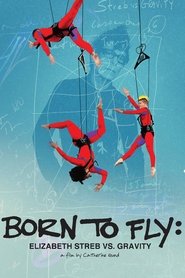
Born to Fly: Elizabeth Streb vs. Gravity
2014
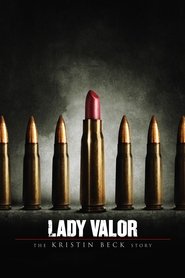
star 5.2Born to Fly pushes the boundaries between action and art, daring us to join choreographer Elizabeth Streb and her dancers in pursuit of human flight.Lady Valor: The Kristin Beck Story
2014
star 4.9A former U.S. Navy Seal seeks life, liberty and the pursuit of happiness living life as a transgender woman.Forbidden Films
2014
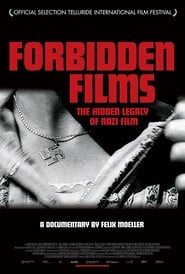
Forbidden Films
2014
star 6.5Between 1933 and 1945 roughly 1200 films were made in Germany, of which 300 were banned by the Allied forces. Today, around 40 films, called "Vorbehaltsfilme", are locked away from the public with an uncertain future. Should they be re-released, destroyed, or continue to be neglected? Verbotene Filme takes a closer look at some of these forbidden films.Beltracchi: The Art of Forgery
2014
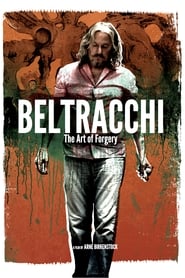
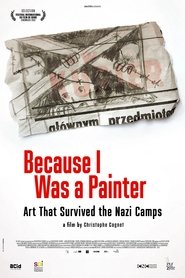
star 7.1Wolfgang Beltracchi got away with forging art masterpieces for over 40 years. He may be egotistical and nihilistic, but his genius in undeniable. He managed to fool gallery owners, historians and investors with the stroke of a brush. This documentary follows his last days as a free man.Because I Was a Painter: Art That Survived the Nazi Camps
2014
star 7In 1945, when the Allies liberated the concentration camps, they discovered thousands of secretly created artworks. With unprecedented access to paintings, drawings, etchings and sculptures held in collections around the world, BECAUSE I WAS A PAINTER conducts a gripping and fascinating investigation into art that captures, reflects and inspires in difficult times.Women of the Mine
2014
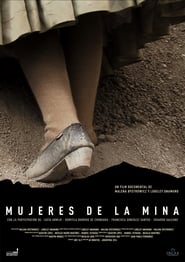
Women of the Mine
2014
star 7.7Portraits of three women who live and work in the infamous mines of El Cerro Rico in Bolivia. Work inside the mines has been limited to men, while the women are forced to work outside searching for mineral scraps on the side of the mountain. The film highlights the women's strength, determination and resilience in the face of struggle and hardship.Lunch Hour
2014
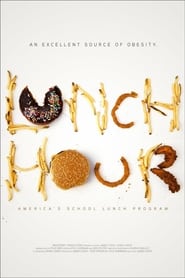
Lunch Hour
2014
star 8Filmmaker James Costa investigates the National School Lunch Program and childhood obesity, and shows what schools, parents, authors, doctors, politicians, celebrities, and chefs are doing to combat the problem.Advance Australian Film
2014
star 5.7It's been 20 years since an Australian film has reached number one at the yearly Box Office and our films have consistently grossed under 5% for the years. So what can we do to make a change?Moving from Emptiness: The Life and Art of a Zen Dude
2014
Where does creativity come from? Zen calligraphic painter Alok Hsu Kwang-han proposes that it arises from emptiness, from that silent space where the intelligence prior to thought resides. Armed with rice paper, ink, brush and a collection of Zen koans and teachings, Alok opens the door to a world of magical brush strokes and enchanted students. On the verge of his 75th birthday and with a new love in his life, Alok employs his teachings to confront his own personal history. Through his workshops and his art we share a journey of transformation that becomes possible when we are simply 'present, available, playful, and not knowing.' Through Alok we discover that 'in a clear heart, no mountain hides the moon.'Never A Neverland
2014
Never A Neverland
2014
Imagine a kingdom where an entire populace is being devastated by an invisible plague, leaving only children to reign. Here, hundreds of thousands of children are raising children and are left to fend for themselves in a cruel and frightening world. This is not a fairy tale. This kingdom is Swaziland, Africa's last remaining absolute monarchy. It has the highest rate of HIV/AIDS in the world, leaving 1/3 of its population orphaned or vulnerable. Without radical intervention to this preventable disease, there will be NO ADULTS in Swaziland by the year 2030. NEVER A NEVERLAND documents the reality of a kingdom moving towards extinction and the hope of a people working to ensure that Swaziland never becomes a 'Neverland'.The Line: Poverty in America
2014
Emmy Award-winning producer Linda Midgett shows us in this groundbreaking documentary a new face of poverty in America. About 50 million people in the United States live below the poverty line (In 2014- $23,850 for a family of 4) and one in four American children lives in poverty. But what is poverty in America? What defines "the line" and how can the church and community make a difference?Generation Like
2014
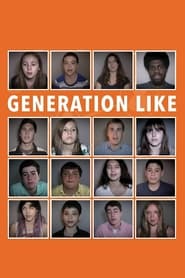
Generation Like
2014
star 7Thanks to social media, teens are able to directly interact with their culture - celebrities, movies, brands - in ways never before possible. But is that real empowerment? Or do marketers hold the upper hand? Douglas Rushkoff explores how the teen quest for identity has migrated to the web – and exposes the game of cat-and-mouse that corporations are playing with them.Enemy of the Reich: The Noor Inayat Khan Story
2014
star 9In 1943, Noor Inayat Khan was recruited as a covert operative into Winston Churchill's Special Operations Executive. With an American mother and Indian Muslim father, she was an extremely unusual British agent. After her network collapsed, Khan became the only surviving radio operator linking the British to the French Resistance in Paris, coordinating the airdrop of weapons and agents, and the rescue of downed Allied fliers.Fog
2014
Fog
2014
star 6.3A finely-woven tapestry, unifying things that are incommensurate. What is it about? Something that we all know, but which resonates differently with each of us, that cannot be put into words. You could call it our inner hum.Butch Cassidy and the Sundance Kid
2014
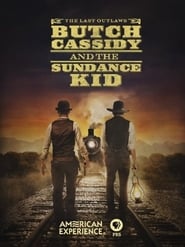
star 7.7The historical account of outlaws Butch Cassidy and the Sundance Kid, whose turn of the last century exploits made headlines, led them to be pursued by Pinkerton detectives hired by the railroads, and inspired a hit 1969 film.Spies of Mississippi
2014
Spies of Mississippi
2014
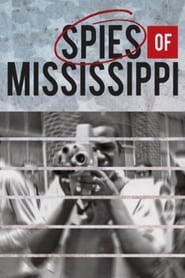
star 7.3Spies of Mississippi tells the story of a secret spy agency formed by the state of Mississippi to preserve segregation and maintain white supremacy. The anti-civil rights organization was hidden in plain sight in an unassuming office in the Mississippi State Capitol. Funded with taxpayer dollars and granted extraordinary latitude to carry out its mission, the Commission evolved from a propaganda machine into a full blown spy operation. How do we know this is true? The Commission itself tells us in more than 146,000 pages of files preserved by the State. This wealth of first person primary historical material guides us through one of the most fascinating and yet little known stories of America's quest for Civil Rights.The Rise of ISIS
2014
Afternoon of a Faun: Tanaquil Le Clercq
2014
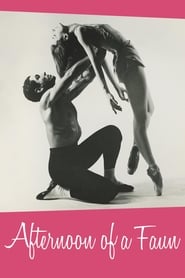
star 6.4Of all the great ballerinas, Tanaquil Le Clercq may have been the most transcendent. With a body unlike any before hers, she mesmerized viewers and choreographers alike. With her elongated, race-horse physique, she became the new prototype for the great George Balanchine. Because of her extraordinary movement and unique personality on stage, she became a muse to two of the greatest choreographers in dance, George Balanchine and Jerome Robbins. She eventually married Balanchine, and Robbins created his famous version of Afternoon of a Faun for her. She had love, fame, adoration, and was the foremost dancer of her day until it suddenly all stopped. At the age of 27, she was struck down by polio and paralyzed. She never danced again. The ballet world has been haunted by her story ever since.In the Image
2014
In the Image
2014
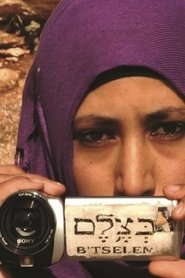
In the Image explores the daily lives of Palestinian women living in the occupied West Bank. The film portrays their stories in a novel and eye-opening manner; through video footage captured by the women themselves.The Amish: Shunned
2014