New Documentary Movies on Kanopy - Page 273
All Services
Free Services
 Netflix
 Amazon Prime Video
 Apple iTunes
 Apple TV Plus
 Disney Plus
 Google Play Movies
 Paramount Plus
 Hulu
Hulu
 HBO Max
 YouTube
 fuboTV
 Peacock
 Peacock Premium
 Amazon Video
 The Roku Channel
 AMC+
AMC on Demand
AMC+
AMC on Demand
 Kocowa
 Hoopla
 The CW
 Vudu
Vudu
 Starz
Starz
 Showtime
 PBS
PBS
 Pantaflix
 FXNow
FXNow
 Tubi TV
 Kanopy
 Comedy Central
 Crunchyroll
 Microsoft Store
 Redbox
 Sun Nxt
 ABC
ABC
 DIRECTV
 Crackle
 Fandor
 Plex
Plex
Netflix
Amazon Prime Video
Apple iTunes
Apple TV Plus
Disney Plus
Google Play Movies
Paramount Plus
Hulu
HBO Max
YouTube
fuboTV
Peacock
Peacock Premium
Amazon Video
The Roku Channel
AMC+
AMC on Demand
Kocowa
Hoopla
The CW
Vudu
Starz
Showtime
PBS
Pantaflix
FXNow
Tubi TV
Kanopy
Comedy Central
Crunchyroll
Microsoft Store
Redbox
Sun Nxt
ABC
DIRECTV
Crackle
Fandor
Plex

Driving the Dream
1997
Driving the Dream
1997
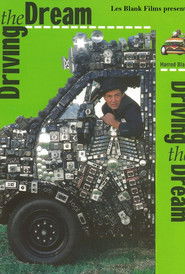
Harrod Blank, who took us into the world of art cars with his epic first film, Wild Wheels, now focuses more in-depth on a few select art vehicles, the Grass Bus, the Hamburger Harley, and the Camera Van. As with his previous film, and the following one (Automorphosis) Blank takes a dauntless look at American car culture.The Long Way Home
1997
The Long Way Home
1997
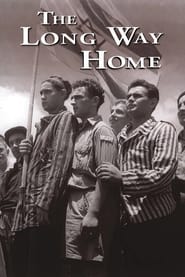
star 7.1The story of the post World War II Jewish refugee situation from liberation to the establishment of the modern state of Israel.Waco: The Rules of Engagement
1997
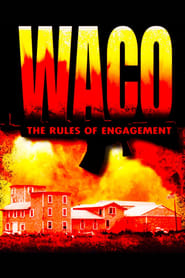
star 7.6In one of the most tragic face-offs in the history of law enforcement, the deadly debacle at Waco pitted the Branch Davidian sect against the FBI in an all-out war. This documentary makes the most of footage and recordings to examine how the events that led to the tragedy of April 19, 1993, unfolded, and how the FBI's unrelenting approach made what was already a bad situation much worse.Incidents of Travel in Chichen Itza
1997
Depicts how New Agers, the Mexican state, tourists, and 1920s archaeologists all contend to “clear” the site of the antique Maya city of Chichen Itza in order to produce their own idealized and unobstructed visions of “Maya” while the local Maya themselves struggle to occupy the site as vendors and artisans.Philip Johnson: Diary of an Eccentric Architect
1997
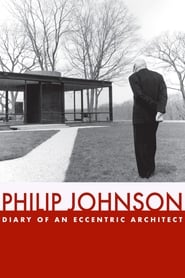
This documentary depicts Johnson at work and the importance of the architectural act, the actual construction, and how the buildings interact with their environment — in this case, the autumn leaves or snow of New Canaan.Blacks and Jews
1997
Blacks and Jews
1997
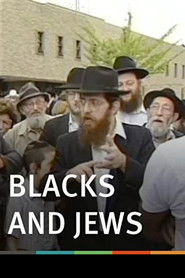
star 6This documentary attempts to go beyond the sensationalized media coverage and the stereotypes to examine several key conflicts from the point of view of both Black and Jewish activists.Killer Volcanoes
1997
Killer Volcanoes
1997
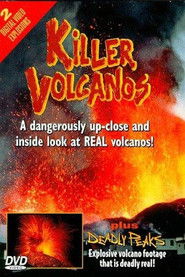
Documentaries by Katia and Maurice Krafft feature some of the amazing footage shot by the renowned volcanologists, who perished in 1991 while filming a volcano in Japan. The duo documented more active and erupting volcanos than any other scientists in the world, and their dedication shows in Deadly Peaks and Killer Volcanos, two educational films that capture the scientists on the edge of a hot ash blast and floating on a lake of sulfuric acid. The films visit Mount Kilimanjaro and examine some of the less-known dangers such as carbon monoxide gas that builds under crater-formed lakes. They also take an in-depth look at the eruption of Mount St. Helens and the lengths to which people will go to save their communities. Venturing to places where most people would never dare, the Kraffts gave their lives to promote the study of volcanos and left behind a legacy of courage in the name of science. --Shannon GeePart Three: Born Under the Red Flag 1976–1997
1997
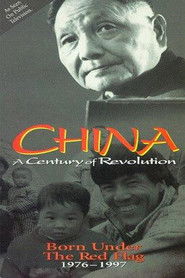
star 6What happened next could never have been anticipated and forms the story line for the final film of the trilogy; Born Under The Red Flag examines China’s remarkable transformation after Mao’s death. In just 15 years, under Deng Xiaoping’s leadership, China raced forward at an astonishing pace to become a never-before-seen hybrid of communism and capitalism. The world’s most populous nation has reinvented itself, changing from a relatively undeveloped and isolated nation into an economic giant and a major international power. For many Chinese, this transformation has brought unprecedented prosperity, but it has also raised troubling questions of national identity and social inequality.Fear and Learning at Hoover Elementary
1997
If Proposition 187 makes it through the courts, will hall duty become border patrol in California public schools? Fourth-grade-teacher-turned-filmmaker Laura Simon puts human faces on the issue as she takes us inside her classroom and into the faculty lounge at Hoover Elementary in Los Angeles. Law and learning converge as students, teachers and parents grapple candidly with the impact of policies that would deny public services to undocumented immigrants and their children.A Bit Of Scarlet
1997
A Bit Of Scarlet
1997
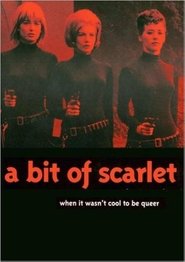
star 4.1A Bit of Scarlet excavates clips from Britain's cinema archives to create a moving and humorous testament to the closeted gay and lesbian images from filmmaking's earliest days.Himalayan Herders
1997
Himalayan Herders
1997
John Bishop and Naomi Bishop present a portrait a peculiar life style of the Himalayan indigenous Sherpa people in their documentary , the Himalayan Herders. The 76 minutes long film is about the diverse culture and life style of herders community near Mt. Everest region of Nepal.The film was made in 1997 as a part of Case Studies in Cultural Anthropology Series.Public Housing
1997
Public Housing
1997
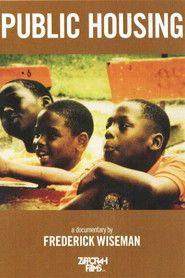
star 7.3Public Housing is Wiseman’s unflinching portrayal of life at the Ida B. Wells housing project in Chicago, a raw exposition of the daily conflicts between residents and the bureaucratic machinery to which they are continually subjected. With intimate detail and an abiding dedication to his subject, Wiseman unearths the hidden facets of institutions to find humanity and sites of unexpected beauty.Mabo: Life of an Island Man
1997
On June 3rd 1992, six months after Eddie "Koiki" Mabo's tragic death, the High Court upheld his claim that Murray Islanders held native title to land in the Torres Strait. The legal fiction that Australia was empty when first occupied by white people had been laid to rest. Mabo-Life of an Island Man tells the private and public stories of a man so passionate about family and home that he fought an entire nation and its legal system. Though his greatest victory was won only after his death, it has forever ensured his place - on Murray Island and in Australian history.Sweep it Up, Swig it Down
1997
Gabi, Stefan and Henry used to work as street-sweepers for the city of Leipzig. A ruin is all that is left of the Municipal Street Cleaning Base of that time and the city Leipzig is moving after the reunion. The noise of air hammers are everywhere. Nowadays their daily routine has become fragile between social welfare office, pub, and their homes. There is always a remainder, something that doesn´t work out even.Every Little Thing
1997
Every Little Thing
1997
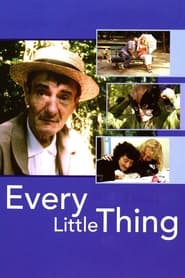
star 6.1In the summer of 1995, as every year, the patients and staff of "La Borde" psychiatric clinic rehearse their summer play for a performance on August 15th. The film records the ups and downs of the venture as rehearsals go by. Yet, it also delicately captures the day-to-day existence, the seemingly insignificant details, the loneliness and the fatigue but also the collective joy and the close attention that all these people pay to each other.Hasten Slowly: The Journey of Sir Laurens van der Post
1997
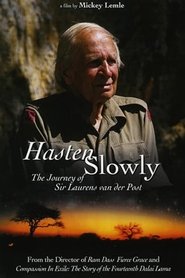
An hour-long documentary about author Laurens van der Post, whose autobiographical novel was the basis for the film "Merry Christmas Mr. Lawrence" directed by Nagisa Oshima.Otaiya: Japan's Hidden Christians
1997
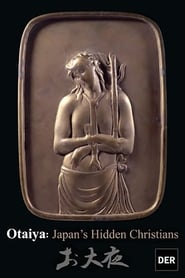
In the sixteenth century Portuguese Catholic missionaries introduced Christianity to Japan. The religion flourished for about fifty years, but by 1614 the Tokugawa government issued an edict that outlawed Christianity and expelled the missionaries from Japan. About 150,000 believers went underground and continued to practice their religion in secret. These people are known as the "Hidden Christians". Otaiya, meaning "Big Evening" is the Hidden Christian version of Christmas Eve. Through the occasion of this ceremony, the film tells the story of Japan's Hidden Christians. Made with the cooperation of contemporary Hidden Christians on the remote island of Narushima, the film features the only two remaining priests in the Goto Islands.Six O'Clock News
1997
Six O'Clock News
1997
star 6Filmmaker Ross McElwee trails characters whose stories have been fodder for television news and takes their tales of loss and longing further than the requisite sound bite. In the process, he examines how the medium works and exposes its limitations.Carved from the Heart
1997
One man loses his son to a cocaine overdose. Grieving, Stan Marsden, a Tsimpsean wood carver decides to create a totem pole in his son's memory and invites the town of Craig, Alaska to help. Before he is done, the pole becomes a communal project, bringing people of diverse backgrounds and ages together.Licensed to Kill
1997
Licensed to Kill
1997
star 3.4A riveting journey into the minds of men whose contempt for homosexuals led them to murder. Attacked in 1977 by gay bashers on the streets of San Francisco, filmmaker Arthur Dong confronts murderers of gay men face-to-face in his film. He asks them directly: “Why did you do it?”