New History Movies on Kanopy - Page 20
All Services
Free Services
 Netflix
 Amazon Prime Video
 Apple iTunes
 Apple TV Plus
 Disney Plus
 Google Play Movies
 Paramount Plus
 Hulu
Hulu
 HBO Max
 YouTube
 fuboTV
 Peacock
 Peacock Premium
 Amazon Video
 The Roku Channel
 AMC+
AMC on Demand
AMC+
AMC on Demand
 Kocowa
 Hoopla
 The CW
 Vudu
Vudu
 Starz
Starz
 Showtime
 PBS
PBS
 Pantaflix
 FXNow
FXNow
 Tubi TV
 Kanopy
 Comedy Central
 Crunchyroll
 Microsoft Store
 Redbox
 Sun Nxt
 ABC
ABC
 DIRECTV
 Crackle
 Fandor
 Plex
Plex
Netflix
Amazon Prime Video
Apple iTunes
Apple TV Plus
Disney Plus
Google Play Movies
Paramount Plus
Hulu
HBO Max
YouTube
fuboTV
Peacock
Peacock Premium
Amazon Video
The Roku Channel
AMC+
AMC on Demand
Kocowa
Hoopla
The CW
Vudu
Starz
Showtime
PBS
Pantaflix
FXNow
Tubi TV
Kanopy
Comedy Central
Crunchyroll
Microsoft Store
Redbox
Sun Nxt
ABC
DIRECTV
Crackle
Fandor
Plex

Nazi Law: Legally Blind
2016
Sobering look at how Hitler and the Nazi party manipulated laws to further their hate-filled agenda. People who were considered physically or racially inferior or disloyal to the state were deprived of their rights and often their lives under these Nazi laws. When Germany was ultimately defeated, Nazi leaders were charged with crimes against humanity in the Nuremberg Trials, in an attempt by the world community to restore the rule of law.Anthropoid
2016
Anthropoid
2016
star 7.1In December 1941, Czech soldiers Jozef Gabčík and Jan Kubiš parachute into their occupied homeland to assassinate Nazi officer Reinhard Heydrich.Woman with an Editing Bench
2016
star 7Inspired by the woman who edited "Man with a Movie Camera" (1929), "Woman with an Editing Bench" reveals the personal impact of Stalin’s censorship of cinema on a woman navigating politics, bureaucracy and the impetuous outbursts of collaborators to create something beautiful despite the odds.Blackbird
2016
Blackbird
2016
In the late 1800s, two Solomon Islander siblings, Kiko (16) and Rosa (24), were kidnapped from their Pacific island home and forced to work on a sugar cane plantation in Queensland. In a world where exploitation of Pacific Islanders for cheap labour is legislated and conditions for islanders are akin to slavery, Rosa struggles to keep an eye on her spirited young brother as he journeys into adulthood.Hitler's Olympics
2016
Hitler's Olympics
2016
star 6.4Hitler, Nazi propaganda and 1936 Berlin Olympics are put under the microscope to uncover hidden truths and the historical legacy of those games.Black Is the Color: African-American Artists and Segregation
2016
Black Is the Color highlights key moments in the history of Black visual art, from Edmonds Lewis’s 1867 sculpture Forever Free, to the work of contemporary artists such as Whitfield Lovell, Kerry James Marshall, Ellen Gallagher, and Jean-Michel Basquiat. Art historians and gallery owners place the works in context, setting them against the larger social contexts of Jim Crow, WWI, the civil rights movement and the racism of the Reagan era, while contemporary artists discuss individual works by their forerunners and their ongoing influence.Genius
2016
Genius
2016
star 6.5New York in the 1920s. Max Perkins, a literary editor is the first to sign such subsequent literary greats as Ernest Hemingway and F. Scott Fitzgerald. When a sprawling, chaotic 1,000-page manuscript by an unknown writer falls into his hands, Perkins is convinced he has discovered a literary genius.Fanny's Journey
2016
Fanny's Journey
2016
star 7.2Fanny is a Jewish girl in a French orphanage in 1943. When she and her friends are no longer safe from the Nazis, they try to flee to Switzerland. After their guide disappears, Fanny has to take the lead and help the other kids make it over the mountains.Who Will Burry The Dead?
2016
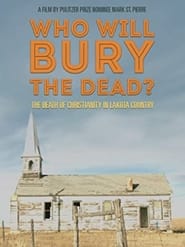
This documentary offers a deep, candid, and historical look at the Christian experience of America's largest and best-known tribes: the Dakota and Lakota. Its exploration into Native American history also takes a hard and detailed look at President Ulysses S. Grant's Peace Policy of 1873, which was, in effect, a "convert to Episcopalianism or starve" edict put forth by the American government in direct violation of its Constitution. The devastation it had on the values of the people affected were dramatic and extremely long-lasting. Grant's policy was finally ended over 100 years later by the Freedom of American Indian Religions Act in 1978. Interlaced with extraordinarily candid interviews, this documentary presents an insider's perspective of how the Dakota and Lakota were estranged from their religious beliefs and their long-standing traditions.Last Days in the Desert
2016
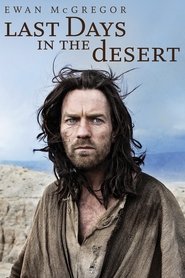
star 5.8On his way out of the wilderness, Jesus struggles with the Devil over the fate of a family in crisis, setting himself up for a dramatic test.Azure Dust - Inside Chernobyl's Exclusion Zone
2016
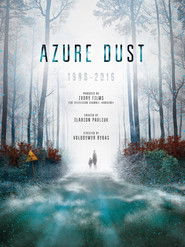
star 7.8The story about Chornobyl area, all around the world we know of the disaster in 1986. The film may be called a guide to the Exclusion Zone. Thanks to the unique footage from the place of the tragedy, that the crew succeeded to capture, the viewers will have a chance for a full immersion into the atmosphere of the events and, along with the heroes of the film, feel the dreadful and amazing air that reigns where one of the major anthropogenic disasters took place.Robert Shaw: Man of Many Voices
2016
A small-town California boy planned to be a minister like his father, but instead became the greatest conductor of choral music the world has ever known. With no formal musical training, he moved from stunning early success in popular music to legendary interpretations of classical music's great choral masterpieces.Remembering the Man
2016
Remembering the Man
2016
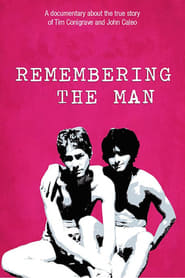
star 7.6At an exclusive Catholic boys school in Melbourne 1976, Tim Conigrave and John Caleo fell madly in love. Their passionate, tempestuous, operatic romance lasted for 16 years, facing disapproval, temptation, separation, and the looming shadow of the Grim Reaper. Their relationship has been immortalised in Conigrave's posthumous autobiography Holding the Man (now a major Australian film directed by Neil Armfield). This is the true story of how Romeo met Romeo and how first love can not only last but endure.The Man Who Knew Infinity
2016
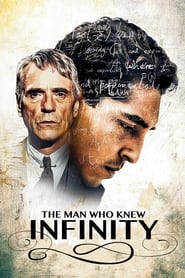
star 7.2Growing up poor in Madras, India, Srinivasa Ramanujan Iyengar earns admittance to Cambridge University during WWI, where he becomes a pioneer in mathematical theories with the guidance of his professor, G.H. Hardy.God Knows Where I Am
2016
God Knows Where I Am
2016
star 6.4Well-educated, New Hampshire mother, Linda Bishop, was determined to stay free of the mental health system after her early release from a 3 year commitment to New Hampshire State Hospital. Instead, she became a prisoner of her own mind, a fate which she documents in one of the most evocative and chilling accounts of mental illness and of our systemic failure to protect those suffering from it.Liberty & Slavery
2016
Liberty & Slavery
2016
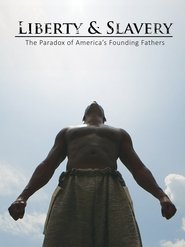
star 5America's Founding Fathers were yearning for a nation of individual liberty. But, the origins of America were overflowing with a deep-seated paradox. The Founding Fathers were rallying the colonists to liberty, while many were slave owners.Finding Altamira
2016
Finding Altamira
2016
star 5.8The story of nine-year old Maria and her father Marcelino who, in 1879, found the first pre-historic cave paintings at the now world famous Altamira cave.The Liberators
2016
The Liberators
2016
star 5.6Medieval art treasures seized by the Nazis go missing at the end of World War II. Were they destroyed in the chaos of the final battles? Or were these thousand-year-old masterpieces stolen by advancing American troops? For over forty years, the mystery remained unsolved. A true detective story, "The Liberators" follows a dogged German art detective through the New York art world and military archives to the unlikeliest of destinations: a small town on the Texas prairie. Featuring interviews with Willi Korte (Portrait of Wally) and Texas attorney Dick DeGuerin, the film raises intriguing questions as to the motivations of the art thief and the whereabouts of the items that, to this day,Churchill's Secret
2016
Churchill's Secret
2016
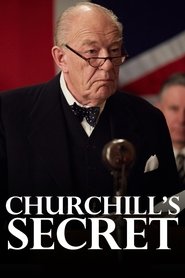
star 6.3British Prime Minister Winston Churchill suffers from a stroke in the summer of 1953 that's kept a secret from the rest of the world.The Last King
2016
The Last King
2016
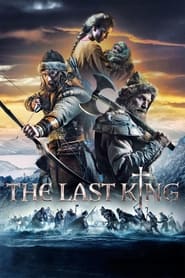
star 5.7Norway, 1204. A civil war between the birkebeiners —the king's men— and the baglers —supporters of the Norwegian aristocracy and the Church— ravages the country. Two men must protect a baby, the illegitimate son of King Håkon, who will be the future king and peacemaker, from those who want to kill him.