New Documentary Movies on Pantaflix - Page 23
All Services
Free Services
 Netflix
 Amazon Prime Video
 Apple iTunes
 Apple TV Plus
 Disney Plus
 Google Play Movies
 Paramount Plus
 Hulu
Hulu
 HBO Max
 YouTube
 fuboTV
 Peacock
 Peacock Premium
 Amazon Video
 The Roku Channel
 AMC+
AMC on Demand
AMC+
AMC on Demand
 Kocowa
 Hoopla
 The CW
 Vudu
Vudu
 Starz
Starz
 Showtime
 PBS
PBS
 Pantaflix
 FXNow
FXNow
 Tubi TV
 Kanopy
 Comedy Central
 Crunchyroll
 Microsoft Store
 Redbox
 Sun Nxt
 ABC
ABC
 DIRECTV
 Crackle
 Fandor
 Plex
Plex
Netflix
Amazon Prime Video
Apple iTunes
Apple TV Plus
Disney Plus
Google Play Movies
Paramount Plus
Hulu
HBO Max
YouTube
fuboTV
Peacock
Peacock Premium
Amazon Video
The Roku Channel
AMC+
AMC on Demand
Kocowa
Hoopla
The CW
Vudu
Starz
Showtime
PBS
Pantaflix
FXNow
Tubi TV
Kanopy
Comedy Central
Crunchyroll
Microsoft Store
Redbox
Sun Nxt
ABC
DIRECTV
Crackle
Fandor
Plex

Rullhuset
2025
Rullhuset
2025
See You Tomorrow, God Willing
2025
Alejandro Egido returns to his paternal family’s village, a place on the Castilian plateau that, for years, he has only visited to bury relatives. There, he spends a few days with Carmen and Tomasa, his grandfather’s sisters, who share a daily life shaped by routine and absence. Through an intimate narrative, Hasta mañana si Dios quiere draws a subtle parallel between the fragility of human life and that of a village on the verge of disappearing.Entre Mães
2025
Entre Mães
2025
Hart van de Halm
2025
Hart van de Halm
2025
In Hart van De Halm, director Saskia Jeulink captures the farewell of the 112-year-old strawboard factory De Halm in Hoogkerk. Three former employees return to the place that shaped their lives—not only as individuals, but also as part of a close-knit community. While the past echoes through the halls one last time, a lasting memory is being built. A moving film about farewell, connection, and legacy.Гыча+Гыча: Квантомания
2025
Documentary about the feud between two different types of cinema lovers.La Dolce Docu
2025
La Dolce Docu
2025
"La Dolce Doku" is a master's thesis by Leonard Stern. The film delves into the pop-cultural phenomenon of Roy Bianco & Die Abbrunzati Boys – a band that represents far more than "just" Italian pop music. It explores authenticity, musical DNA, a longing for Italy, and the question: Why does this project work so well – and why does it resonate with so many people? Through interviews, studio footage from Vienna, concert moments, expert opinions from figures such as Dieter Thomas Kuhn, Dr. Richard Brütting, and Prof. Dr. Christoph Jacke, as well as insights from longtime associates of the band, the film attempts to paint a multifaceted picture – without shattering the myth. The documentary aims to explain why RB&DAB are not just a fleeting phenomenon, but a band with lasting relevance.Searching for Ludo
2025
Searching for Ludo
2025
Prospect Cottage
2025
Prospect Cottage
2025
The Sister’s Journey
2025
The Sister’s Journey
2025
Through a documentary style, The Sisters’ Journey explores the daily life of a transgender woman in Vietnam using drugs. The film delves into her fear of stigma, struggles she faces, and the vital role of harm reduction services and healthcare available to her.Voices of Resilience
2025
Voices of Resilience
2025
Voices of Resilience follows the lives of queer individuals and drug users living with HIV in Nigeria. Through personal interviews and experimental visual storytelling, the film shows the protagonists’ worlds as they seek out underground harm reduction services.Silêncio no Set
2025
Silêncio no Set
2025
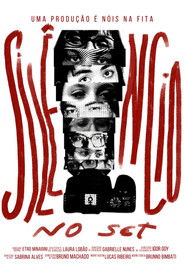
This metalinguistic film dismantles the ideal of perfection. A group of young film students face the greatest challenge of their academic careers: producing their first documentary. It is an honest record of the creative process, proving that the greatest story on set isn't always the one captured in the frame.The Honeymoon Murder: Who Killed Anni Dewani?
2025
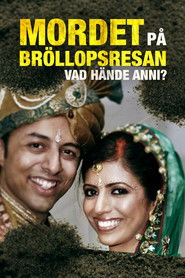
Offering a revelatory take on what has become one of the most enduring crime stories of recent times, The Honeymoon Murder: Who Killed Anni Dewani? explores the case of Anni Dewani, the bride who didn’t survive her honeymoon, and Shrien Dewani, the groom stranded abroad while the police and global media began questioning his involvement. Combining exclusive interviews with Anni’s family and Shrien’s defence counsel, mixed with archive including CCTV, police interviews and court proceedings, The Honeymoon Murder: Who Killed Anni Dewani? will take viewers on a journey of untruths and shifting blame, adding new information and perspectives as the story unfolds.¿Por qué tanto dolor? (Why so much pain?)
2025
Instead of asking, “Why so much meth in the gay community?,” Cortés’s experimental film provokes the deeper question, “Why so much pain?” The film delves into the emotional and social wounds that fuel addiction and risk-taking behaviors.Highlight
2025
Highlight
2025
Realce is a documentary short following two HIV-positive friends, DJ Deseo and porn actor Fernando Brutto, during one of their performances at Rio de Janeiro’s Carnival. The duo move through the streets of Rio and Carnival “blocos,” sharing their reflections on friendship, undetectability, their relationship with sex, and drug use within their own community.Zamana
2025
Zamana
2025
In the mid-90s, the upbringing of triplets is altered with the arrival of Ana, their younger sister. Through a family trip, the director portrays this bond among sisters.Brincar de Quê?
2025
Brincar de Quê?
2025