New History Movies on Pantaflix - Page 363
All Services
Free Services
 Netflix
 Amazon Prime Video
 Apple iTunes
 Apple TV Plus
 Disney Plus
 Google Play Movies
 Paramount Plus
 Hulu
Hulu
 HBO Max
 YouTube
 fuboTV
 Peacock
 Peacock Premium
 Amazon Video
 The Roku Channel
 AMC+
AMC on Demand
AMC+
AMC on Demand
 Kocowa
 Hoopla
 The CW
 Vudu
Vudu
 Starz
Starz
 Showtime
 PBS
PBS
 Pantaflix
 FXNow
FXNow
 Tubi TV
 Kanopy
 Comedy Central
 Crunchyroll
 Microsoft Store
 Redbox
 Sun Nxt
 ABC
ABC
 DIRECTV
 Crackle
 Fandor
 Plex
Plex
Netflix
Amazon Prime Video
Apple iTunes
Apple TV Plus
Disney Plus
Google Play Movies
Paramount Plus
Hulu
HBO Max
YouTube
fuboTV
Peacock
Peacock Premium
Amazon Video
The Roku Channel
AMC+
AMC on Demand
Kocowa
Hoopla
The CW
Vudu
Starz
Showtime
PBS
Pantaflix
FXNow
Tubi TV
Kanopy
Comedy Central
Crunchyroll
Microsoft Store
Redbox
Sun Nxt
ABC
DIRECTV
Crackle
Fandor
Plex

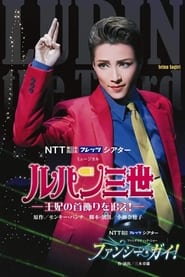
Lupin the Third: Search for the Queen's Necklace!
2015
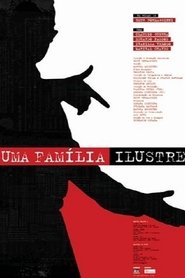
star 8Musical by the Takarazuka Revue. In modern day France, an exhibition is being held at the Palace of Versailles of the "Necklace of Marie Antoinette". The necklace had been used in a fraud case that marked a chapter in French history and later went missing. It has been reproduced using real diamonds. Fujiko has sneaked into Versailles, as has the gang of Lupin, Goemon, and Jigen - all with the intention of getting their hands on the necklace, which is valued at over 3 billion yen in today's money. But they bump into Inspector Zenigata. Lupin is the one who manages to foil Zenigata and grab the necklace. Yet the instant he lays hands on it, everyone is enveloped in a mysterious light. When they regain consciousness, they notice they have gone through a time slip to 1785, before the French Revolution when Louis XVI and Marie Antoinette were around.Uma Família Ilustre
2015
Uma Família Ilustre
2015
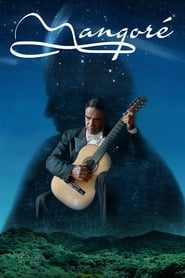
Mangoré
2015
Mangoré
2015
star 7.7The life and times of famed Paraguayan musician Agustín Pío Barrios, from the years of his youth to his international success.The Scandalous Lady W
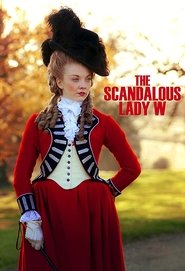
2015
star 6.6A gripping 18th century drama details the scandalous life of Lady Seymour Worsley, who dared to leave her husband and elope with his best friend, Captain George Bisset. Lady Seymour Worsley escapes her troubled marriage only to find herself at the centre of a very public trial brought by her powerful husband Sir Richard Worsley.Rockin' Down The Curtain: The 60ies. Beginning
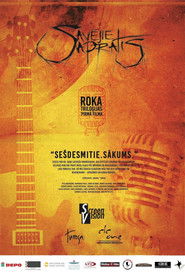
2015
Choosing the fate of a rock musician was similar to being a dissident. From the 60s, the Soviet Union tried to discourage and restrict the expansion of rock music by any means. They called it the “rotten fruit of degraded capitalism, demoralizing the minds of Soviet youth”. Despite that, rock music broke the wall – made a hole in the Iron Curtain – and gained the hearts and minds of tens of thousands of young people.Rock musicians were on the frontline of the rebellion against the Soviet regime. Despite censorship, they managed to deliver, in a hidden, roundabout way through lyrics and music, the spirit of nonconformity and freedom of choice to their audience. A film about Latvian and Soviet rock pioneers, their lives and destinies.Boquerón
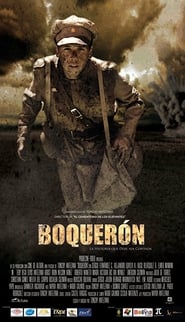
2015
Boquerón
2015
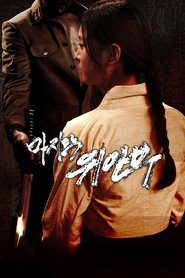
The Last Comfort Women
2015
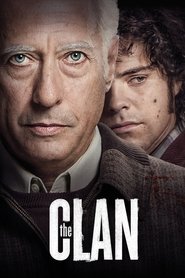
star 10This film tells the story of three young women from South Korea, Japan, and China who were ravaged after becoming comfort women in the Japanese army.The Clan
2015
The Clan
2015
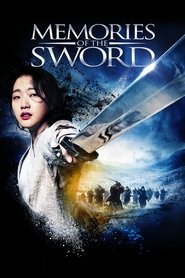
star 6.8In Argentina, between 1982 and 1985, the Puccios, a well-established family of San Isidro, an upper-class suburb of Buenos Aires, kidnap several people and hold them as hostages for a ransom.Memories of the Sword
2015
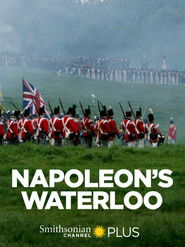
star 6.6While in medieval Korea, a young girl sets out to revenge the betrayal and the death of her mother. But therefore she must face one of the most powerful men and warriors of the Goryeo Dynasty.Napoleon's Waterloo
2015
Napoleon's Waterloo
2015
It lasted only one day on a small piece of land, but the impact the Battle of Waterloo had on history is massive and far-reaching. This is the definitive account of the fight that ended Napoleon's rule as emperor and altered the destinies of France, Europe, and the world. Based on testimonies of those involved, we reveal the tactical decisions and human dramas that transpired on both sides of the battle to give you an unprecedented look of one of history's most epic conflicts.Pastorale cilentana
2015
Pastorale cilentana
2015
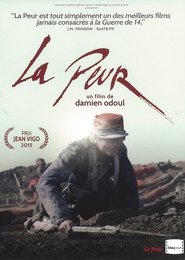
An agricultural setting in the mid-14th century. Vineyards and olive groves stretch as far as the eye can see. In the distance, there is a farmstead, simple but not poor. The family that lives there consists of father, mother and an eight-year old son, Nino. As farmers, they have everything they need and nothing more. The rhythm of their days is set by the hours tolled by the bells, the passing of the seasons, the rising and setting of the sun, the rain and wind, the searing heat of summer. Nino wakes at dawn and takes the goats to pasture. Traversing archaic, sublime landscapes, he walks as if on an immensely long journey down a path of knowledge.The Fear
2015
The Fear
2015
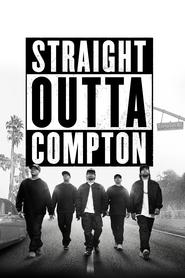
star 5.3Gabriel, a young soldier, is sent to the Western Front in 1914. He experiences the hell of the trenches and the devastating effects that fear has on all the troops. He comes out alive after this horrendous experience, full of rage and fire, and discovers his own humanity.Straight Outta Compton
2015
star 7.8In 1987, five young men, using brutally honest rhymes and hardcore beats, put their frustration and anger about life in the most dangerous place in America into the most powerful weapon they had: their music. Taking us back to where it all began, Straight Outta Compton tells the true story of how these cultural rebels—armed only with their lyrics, swagger, bravado and raw talent—stood up to the authorities that meant to keep them down and formed the world’s most dangerous group, N.W.A. And as they spoke the truth that no one had before and exposed life in the hood, their voice ignited a social revolution that is still reverberating today.Race for the World's First Atomic Bomb: A Thousand Days of Fear
2015
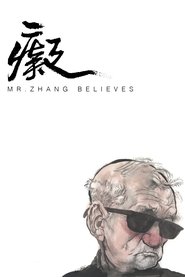
The personalities behind the creation of the world's first atomic bomb were as extraordinary, and often as explosive, as the science they were working in. This is the inside-the-barbed-wire story of the men and women who worked on the Manhattan Project at Los Alamos. Through first-hand accounts and never-before-seen interviews, this documentary looks inside the atomic insiders' hearts and minds, their triumphs and failures, their bravery in the face of paralyzing fear and, ultimately, their war-winning and world-changing accomplishments.Mr. Zhang Believes
2015
Mr. Zhang Believes
2015
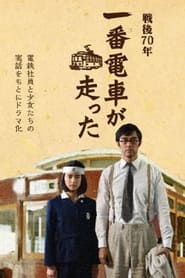
star 8.2Zhang Xianchi is a man thrown into the Cultural Revolution and its afterimage, plunged into the ideological deadlocks of the era and suffering its consequences beyond it. Born into a family that supports the nationalist Kuomintang, Zhang eventually became a leftist and joined the Communist Party. But his family’s background eventually catches up with him, and in a series of bureaucratic measures, he is labelled as a Rightist, leading to a slew of irrational yet life-affecting consequences. His story is told through an exhilarating hybrid of forms, blending documentary-styled interviews and spectral theatrical displays within an ever-mutating studio-space. Hypnagogic in its imagery and ironic in attitude, Mr. Zhang Believes is a tour-de-force treatise of a man caught within dogmatic political maneuverings, which it critiques indirectly with creative and stoic fervour.The First Train Runs in Hiroshima
2015
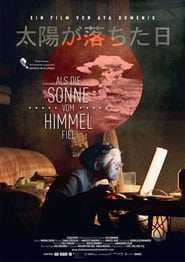
star 4Only 3 days after A-bomb was dropped on Hiroshima, a streetcar started running through the town burned to the ground. The drivers were teenage girls working for the train company in place of men. The drama is based on a true story of people who strived for the restoration.The Day the Sun Fell
2015
The Day the Sun Fell
2015
star 7.2Tracing the past of her deceased grandfather who worked as a young doctor in the Red Cross hospital of HirSwiss-Japanese filmmaker Aya Domenig, the granddaughter of a doctor on duty during the 1945 atomic bombing of Hiroshima, approaches the experience of her deceased grandfather by tracing the lives of a doctor and of former nurses who once shared the same experience. While gathering the memories and present views of these last survivors, the nuclear disaster in Fukushima strikes and history seems to repeat itself.oshima after the atomic bomb was dropped over the city, the filmmaker encounters doctors and nurses who went through similar experiences to his at the time. Right up until his death in 1991, her grandfather was never able to speak about his experiences, but the formidable stories and openness of her protagonists bring her closer to his past.Euxine
2015
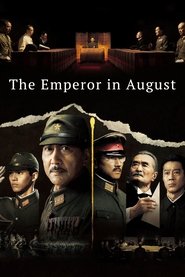
The Emperor in August
2015
star 6.4In July 1945, during the end of World War II, Japan is forced to accept the Potsdam Declaration. A cabinet meeting has continued through days and nights, but a decision cannot be made. The U.S. drops atomic bombs on the cities of Hiroshima and Nagasaki, Japan. General Korechika Anami is torn over making the proper decision and the Emperor of Japan worries about his people. Prime Minister Kantaro Suzuki leads the cabinet meeting, while Chief Secretary Hisatsune Sakomizu can't do anything, but watch the meeting. At this time, Major Kenji Hatanaka and other young commissioned officers, who are against Japan surrendering, move to occupy the palace and a radio broadcasting station. The radio station is set to broadcast Emperor Hirohito reading out the Imperial Rescript on the Termination of the War.