New History Movies on Pantaflix - Page 364
All Services
Free Services
 Netflix
 Amazon Prime Video
 Apple iTunes
 Apple TV Plus
 Disney Plus
 Google Play Movies
 Paramount Plus
 Hulu
Hulu
 HBO Max
 YouTube
 fuboTV
 Peacock
 Peacock Premium
 Amazon Video
 The Roku Channel
 AMC+
AMC on Demand
AMC+
AMC on Demand
 Kocowa
 Hoopla
 The CW
 Vudu
Vudu
 Starz
Starz
 Showtime
 PBS
PBS
 Pantaflix
 FXNow
FXNow
 Tubi TV
 Kanopy
 Comedy Central
 Crunchyroll
 Microsoft Store
 Redbox
 Sun Nxt
 ABC
ABC
 DIRECTV
 Crackle
 Fandor
 Plex
Plex
Netflix
Amazon Prime Video
Apple iTunes
Apple TV Plus
Disney Plus
Google Play Movies
Paramount Plus
Hulu
HBO Max
YouTube
fuboTV
Peacock
Peacock Premium
Amazon Video
The Roku Channel
AMC+
AMC on Demand
Kocowa
Hoopla
The CW
Vudu
Starz
Showtime
PBS
Pantaflix
FXNow
Tubi TV
Kanopy
Comedy Central
Crunchyroll
Microsoft Store
Redbox
Sun Nxt
ABC
DIRECTV
Crackle
Fandor
Plex

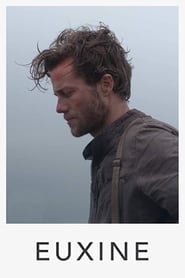
Euxine
2015
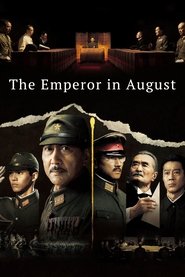
The Emperor in August
2015
star 6.4In July 1945, during the end of World War II, Japan is forced to accept the Potsdam Declaration. A cabinet meeting has continued through days and nights, but a decision cannot be made. The U.S. drops atomic bombs on the cities of Hiroshima and Nagasaki, Japan. General Korechika Anami is torn over making the proper decision and the Emperor of Japan worries about his people. Prime Minister Kantaro Suzuki leads the cabinet meeting, while Chief Secretary Hisatsune Sakomizu can't do anything, but watch the meeting. At this time, Major Kenji Hatanaka and other young commissioned officers, who are against Japan surrendering, move to occupy the palace and a radio broadcasting station. The radio station is set to broadcast Emperor Hirohito reading out the Imperial Rescript on the Termination of the War.Crimson Moon
2015
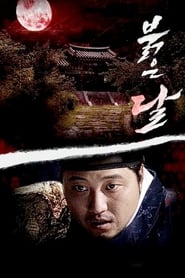
Crimson Moon
2015
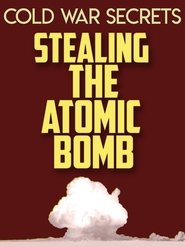
Crown Prince Sado spirals down due to his own insanity and his father King Yeongjo's complex.Cold War Secrets: Stealing the Atomic Bomb
2015
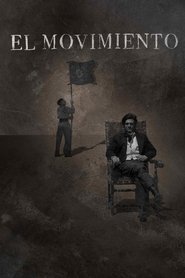
star 8.5On the 29th of August 1949, the USSR set off their first atomic bomb, just four years after the Americans. The speed with which they achieved this surprised the world. What nobody knew was that it was the result of espionage. At the centre of the operation was a very unusual female spy, Elizabeth Zaroubin, in a story worthy of the best spy novels ever written.The Movement
2015
The Movement
2015
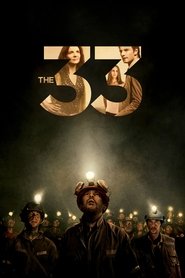
star 6.7During the first half of the 19th century, in a vast and desolated land fallen into anarchy, several armed groups drift along the infinite Pampas demanding support and food from the peasants. Even if they are bitter rivals, they all claim to pledge allegiance to the “movimiento”. Among these gangs is one led by Señor, an educated man who, with two of his followers, intends to found a peaceful new order. But while his enchanting words and manners seem appealing, his methods reveal an unstoppable thirst for power.The 33
2015
The 33
2015
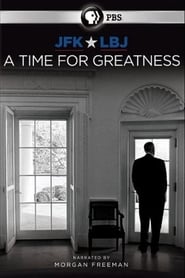
star 6.4Based on the true story of the collapse of a mine in San Jose, Chile—that left 33 miners isolated underground for 69 days.JFK & LBJ: A Time for Greatness
2015
star 6How U.S. President Lyndon B. Johnson used his political prowess to make the Civil Rights Act of 1964 and the Voting Rights Act of 1965 happen. The story is told using rarely-seen footage, interviews and secret White House tapes.Hiroshima Revealed
2015
Hiroshima Revealed
2015
star 9Pulitzer Prize -- winning journalist John Hersey caused a sensation when he published "Hiroshima", the first account for American readers of the horror experienced by victims of the 1945 Hiroshima atomic bomb attack. "Hiroshima" stunned readers with its descriptions of the terrible aftermath of the bombing, yet Hersey never spoke about his experience in Hiroshima.Brave Bunch. Uprising Through Children's Eyes
2015
In this unique combination of documentary narration and magic realism, the authors present poignant accounts of those who witnessed the Warsaw Uprising as children. Halinka was saving cats and dogs. ‘Kazimierz’ was watching American B-17 Flying Fortress bombers fly over the city. ‘Hipek’ was a member of the scouting team of canal rats. Jureczek was 9 and he was the youngest soldier sworn in by the Home Army. He served in the district of Mokotów and was hiding in cellars after its defeat.Caribbean Oil Co.
2015
Caribbean Oil Co.
2015
An unexpected visit from a long time friend sends two men reminiscing about old times, and their time digging for oil. However, after a secret is revealed, the seemingly friendly visit shows its true purpose.While They Watched
2015
While They Watched
2015
star 7.5Documentary about North Korea, set in the future after the regime has collapsed. Harnessing the power of hindsight the film questions the morality of the current inaction by regional and global powers towards the North Korean dictatorship.Best of Enemies
2015
Best of Enemies
2015
star 7.2A documentary about the legendary series of nationally televised debates in 1968 between two great public intellectuals, the liberal Gore Vidal and the conservative William F. Buckley Jr. Intended as commentary on the issues of their day, these vitriolic and explosive encounters came to define the modern era of public discourse in the media, marking the big bang moment of our contemporary media landscape when spectacle trumped content and argument replaced substance. Best of Enemies delves into the entangled biographies of these two great thinkers, and luxuriates in the language and the theater of their debates, begging the question, "What has television done to the way we discuss politics in our democracy today?"The Barbarian Trotskyism
2015
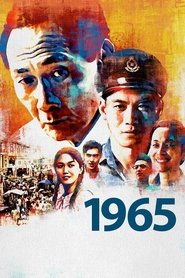
The argentinan Nahuel Moreno promoted an international movement that included parties in more than 15 countries. In 50 years of political activities, he unraveled controversies with the most relevant figures of the international leftwing politics.1965
2015
1965
2015
star 10A dramatic thriller that tells the engaging and touching stories of immigrants and natives during the time leading up to the independence of Singapore. The protagonists were a part of history in the making; they become the pioneer generation who live to see beyond the prejudice and fear of racial hatred and ultimately face the challenge of nation building - a mirror reflecting the fragility of racial harmony in our world today.Lady of the Dynasty
2015
Lady of the Dynasty
2015
star 4.4The tragic story of a Tang Dynasty imperial consort who was the favorite of the Emperor Xuanzong.The Day They Dropped The Bomb
2015
star 6On August 6 1945, one plane dropped one bomb on the Japanese city of Hiroshima. In an instant, the city was destroyed and 80,000 people were dead. But the dropping of the Atomic bomb also launched the Nuclear age, shaping all of our lives and changing the world for ever. For this film we have tracked down people who made the bomb, people who dropped the bomb, and people who were in Hiroshima – some less than half a mile from ground zero -when the bomb fell on their city. Many of the witnesses are in their 90s and this will be the last time they will be able to tell their extraordinary stories. The Day They Dropped The Bomb is told through witness recollections, rare archive film and photographs shot at the time. The documentary will be broadcast for the 70th anniversary of Hiroshima next year by ITV and in America by the Smithsonian Channel.The Bomb
2015
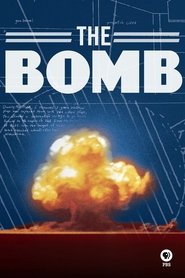
The Bomb
2015
star 6.8Using masterfully restored footage from recently declassified images, The Bomb tells a powerful story of the most destructive invention in human history. From the earliest testing stages to its use as the ultimate chess piece in global politics, the program outlines how America developed the bomb, how it changed the world and how it continues to loom large in our lives. The show also includes interviews with prominent historians and government insiders, along with men and women who helped build the weapon piece by piece.