New History Movies on Pantaflix - Page 465
All Services
Free Services
 Netflix
 Amazon Prime Video
 Apple iTunes
 Apple TV Plus
 Disney Plus
 Google Play Movies
 Paramount Plus
 Hulu
Hulu
 HBO Max
 YouTube
 fuboTV
 Peacock
 Peacock Premium
 Amazon Video
 The Roku Channel
 AMC+
AMC on Demand
AMC+
AMC on Demand
 Kocowa
 Hoopla
 The CW
 Vudu
Vudu
 Starz
Starz
 Showtime
 PBS
PBS
 Pantaflix
 FXNow
FXNow
 Tubi TV
 Kanopy
 Comedy Central
 Crunchyroll
 Microsoft Store
 Redbox
 Sun Nxt
 ABC
ABC
 DIRECTV
 Crackle
 Fandor
 Plex
Plex
Netflix
Amazon Prime Video
Apple iTunes
Apple TV Plus
Disney Plus
Google Play Movies
Paramount Plus
Hulu
HBO Max
YouTube
fuboTV
Peacock
Peacock Premium
Amazon Video
The Roku Channel
AMC+
AMC on Demand
Kocowa
Hoopla
The CW
Vudu
Starz
Showtime
PBS
Pantaflix
FXNow
Tubi TV
Kanopy
Comedy Central
Crunchyroll
Microsoft Store
Redbox
Sun Nxt
ABC
DIRECTV
Crackle
Fandor
Plex

Innate
2011
Innate
2011
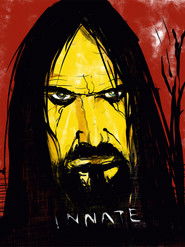
Joseph caused his childhood friend Ludkin to drown during a fight. Ludkin's Mother Elsie can never forgive Joseph for what he did. 40 years has past and Elsie lies on her deathbed. Her dying wish is to finally confront Joseph after all the years.The Black Power Mixtape 1967-1975
2011
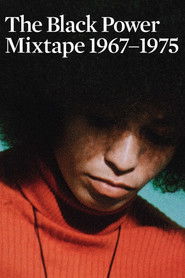
star 7.6Examines the evolution of the Black Power Movement in US society from 1967 to 1975. It features footage of the movement shot by Swedish journalists in the United States during that period and includes the appearances of Angela Davis, Bobby Seale, Huey P. Newton, Eldridge Cleaver, and other activists, artists, and leaders central to the movement.Urumi
2011
Urumi
2011
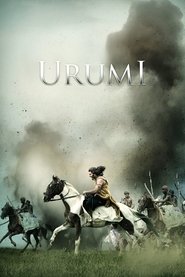
star 6.9A young man who discovers his ancestral connection to a 16th century warrior who sought revenge against Portuguese explorer Vasco da Gama. Blending history and legend, the story traces a rebellion fueled by betrayal, courage, and the fight against colonial conquest.King Naresuan: Part 3
2011
star 5.8The legend of King Naresuan continues with this third of four chapters and tells the story of King Naresuan, Thai's chivalric king and warrior in the Ayutthaya era who fought against the invasion of Burmese troops that wanted to overpower the Ayutthaya Kingdom.Japan's Killer Quake
2011
Japan's Killer Quake
2011
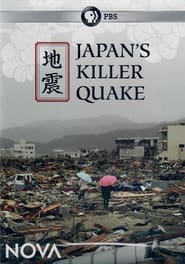
In its worst crisis since World War II, Japan faces disaster on an epic scale: a death toll likely in the tens of thousands, massive destruction of homes and businesses, shortages of water and power, and the specter of nuclear meltdown. With exclusive footage, NOVA captures the human drama and offers a clear-headed investigation of what triggered the earthquake, tsunami, and nuclear crisis.Secret Access: The Vatican
2011
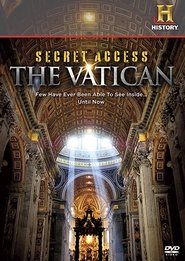
star 5.8The film takes you on a journey inside the Vatican like you've never seen it before. From the ancient "City of the Dead" beneath St. Peter's basilica to the vaults of the Secret Archives, to the Pope's private offices and TV room. The show also explores the long and tumultuous relationship between the Vatican and the U.S., uncovering documents that date back to the Civil War and exploring Reagan's relationship with John Paul II in their quest to combat the Soviets during the Cold War.Scent Of An Angel
2011
Scent Of An Angel
2011
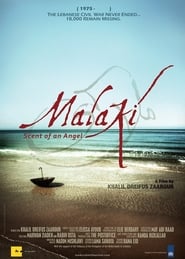
“MALAKI - Scent of an Angel” revolves around the families of abducted persons during and in the aftermath of the Lebanese civil war. It sheds the light on the trauma of six different families constantly teetering on the brink of incertitude. Put this way, each family does not know the fate of their abducted family member; whether he is alive or dead. The very premise of the film is humane for it depicts the broken emotional ties within the family away from any political implication. The film combines real interviews within a surreal set on the one hand, and surreal fiction on the other hand. The interviews reveal the family’s reaction towards the abduction of a member. The fiction part is an incarnation of their fantasies; that is, an awaited day of reunion, a recurring dream and a fantasy. The film plays on the notion of blurred reality and fantasies since the families’ reality is unbearable; ultimately, they escape to their dream.Pasteur, l'homme qui a vu
2011
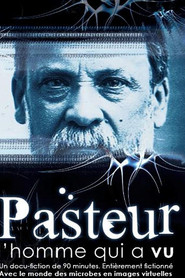
star 6Living in Pasteur's private life during his first human experiment with the rabies vaccine, the hidden side of the scientist emerges: a rough yet tender man, a warrior overwhelmed by doubt, a revolutionary willing to do anything to impose on his detractors the incredible discovery that will pave the way for modern medicine.The Big Game Hunter
2011
The Big Game Hunter
2011
star 5.8After their occupation of Korea, Japanese imperialists forcibly disband Korean army and engage in all sorts of schemes to suppress the daily growing anti-Japanese sentiments of the Korean people. The film unfolds the story of a big-game hunter's family, who risk their lives to frustrate Japanese's plot to violate the spirit and soul of Korean nation by driving an iron stake on the ancestral mountain of PaektuBartitsu: The Lost Martial Art of Sherlock Holmes
2011
star 4.2At the end of the Victorian era, E. W. Barton-Wright combined jiujitsu, kickboxing, and stick fighting into the "Gentlemanly Art of Self Defence" known as Bartitsu. After Barton-Wright's School of Arms mysteriously closed in 1902, Bartitsu was almost forgotten save for a famous, cryptic reference in Sir Arthur Conan Doyle's The Adventure of the Empty House. Hosted by Tony Wolf and featuring interviews with Harry Cook, Emelyne Godfrey, Mark Donnelly, Graham Noble, Neal Stephenson and Will Thomas, Bartitsu: the Lost Martial Art of Sherlock Holmes relates the fascinating history, rediscovery and revival of Barton-Wright's pioneering mixed martial art.There Be Dragons
2011
There Be Dragons
2011
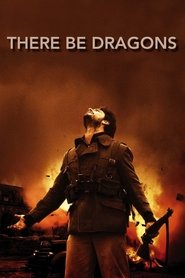
star 5Arising out of the horror of the Spanish Civil War, a candidate for canonization is investigated by a journalist who discovers his own estranged father had a deep, dark and devastating connection to the saint's life.While researching the life of Josemaria Escriva, the controversial founder of Opus Dei, the young journalist Robert uncovers hidden stories of his estranged father Manolo, and is taken on a journey through the dark, terrible secrets of his family’s past.Hokaibito: Ina no Seigetsu
2011
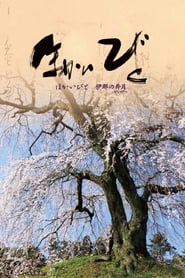
Part documentary, part fiction this film revolves around the life of the haiku poet Seigetsu Inoue who wandered Ina Valley for about 30 years from the end of the Edo period to the Meiji era.History of the VW Campervan
2011
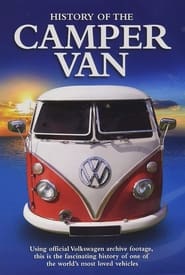
The History of the VW Campervan traces the evolution of the Camper and features campers from every generation and notable variant. This brand-new programme is filmed in stunning HD and uses never seen before archive footage from Volkswagen s own museum, including the original sketched design and rare TV commercials from the VW Campervans illustrious past.The Kunoichi: Ninja Girl
2011
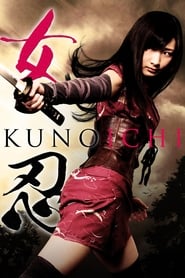
star 5.3In 16th century feudal Japan the war between the Iga clan and the Kouga clan continues unabated. Typically for such violent disputes it is the women who suffer the most – in this case lowly castrated Kouga clan ninjas are kidnapping woman from their rivals’ lands and transporting them back to their own, with the intent to use them as concubines. Unfortunately for a trio of inept Kouga ninjas, one of the women they’ve kidnapped is Kisaragi (Rina Takeda), a skilled ninja with a long standing vendetta since her mother was kidnapped when she was just a baby.The Desert of Forbidden Art
2011
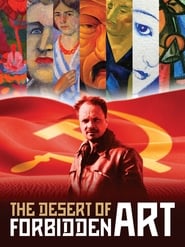
star 4.7How does art survive in a time of oppression? During the Soviet rule artists who stay true to their vision are executed, sent to mental hospitals or Gulags. Their plight inspires young Igor Savitsky. He pretends to buy state-approved art but instead daringly rescues 40,000 forbidden fellow artist's works and creates a museum in the desert of Uzbekistan, far from the watchful eyes of the KGB. Though a penniless artist himself, he cajoles the cash to pay for the art from the same authorities who are banning it. Savitsky amasses an eclectic mix of Russian Avant-Garde art. But his greatest discovery is an unknown school of artists who settle in Uzbekistan after the Russian revolution of 1917, encountering a unique Islamic culture, as exotic to them as Tahiti was for Gauguin. They develop a startlingly original style, fusing European modernism with centuries-old Eastern traditions.The Mill and the Cross
2011
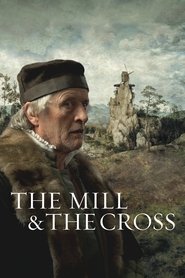
star 6.4What would it be like to step inside a great work of art, have it come alive around you, and even observe the artist as he sketches the very reality you are experiencing? From Lech Majewski, one of Poland's most acclaimed filmmakers, The Mill and the Cross is a cinematic re-staging of Pieter Bruegel's masterpiece "Procession to Calvary," presented alongside the story of its creation.Krzyż
2011
Krzyż
2011
The film documents the events at the Presidential Palace after the national mourning period.The Kleist File
2011
The Kleist File
2011
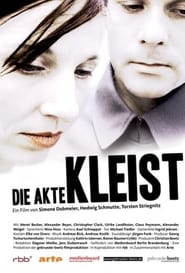
star 6Kleist's death at Wannsee - a spectacular case that has disturbed and fascinated posterity to this day. The German poet is found shot - what does that mean? What exactly happened on the afternoon of November 21, 1811 at Kleiner Wannsee? What do you know about the woman who died with him?