New History Movies on Pantaflix - Page 467
All Services
Free Services
 Netflix
 Amazon Prime Video
 Apple iTunes
 Apple TV Plus
 Disney Plus
 Google Play Movies
 Paramount Plus
 Hulu
Hulu
 HBO Max
 YouTube
 fuboTV
 Peacock
 Peacock Premium
 Amazon Video
 The Roku Channel
 AMC+
AMC on Demand
AMC+
AMC on Demand
 Kocowa
 Hoopla
 The CW
 Vudu
Vudu
 Starz
Starz
 Showtime
 PBS
PBS
 Pantaflix
 FXNow
FXNow
 Tubi TV
 Kanopy
 Comedy Central
 Crunchyroll
 Microsoft Store
 Redbox
 Sun Nxt
 ABC
ABC
 DIRECTV
 Crackle
 Fandor
 Plex
Plex
Netflix
Amazon Prime Video
Apple iTunes
Apple TV Plus
Disney Plus
Google Play Movies
Paramount Plus
Hulu
HBO Max
YouTube
fuboTV
Peacock
Peacock Premium
Amazon Video
The Roku Channel
AMC+
AMC on Demand
Kocowa
Hoopla
The CW
Vudu
Starz
Showtime
PBS
Pantaflix
FXNow
Tubi TV
Kanopy
Comedy Central
Crunchyroll
Microsoft Store
Redbox
Sun Nxt
ABC
DIRECTV
Crackle
Fandor
Plex

The Nightman Cometh
2011
The Nightman Cometh
2011
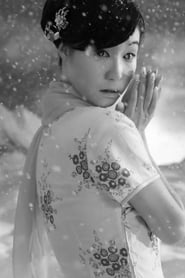
Yejiang / The Nightman Cometh features a cast of strange figures who slip between historical eras. Strewn with symbols of past and future, civilisation and wilderness, dream and reality, the work is laden with filmic, artistic and literary meanings but surrenders to none. An ancient warrior is seen wounded and forlorn after battle, in conflict about his path in life. Yang dramatises the clash between the hero's social role or 'mask', and the more authentic face of his instincts and aspirations. For Yang, the visible world presented in this work is not an objective one but rather the externalisation of internal sentiments.The Hanging of Big Todd Wade
2011
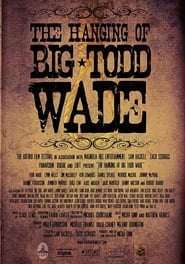
star 8After being found guilty of a crime he did not commit, “Big Todd” Wade is sent to the gallows.Onihei Gaiden: Kumagoro’s Face
2011
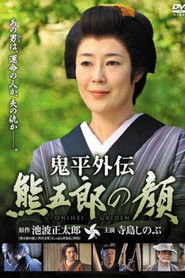
In pursuit of the notorious thief “Subashiri no Kumagoro,” the Arson and Theft Investigation Squad corners him. Seizo, who has been actively working as their agent is killed by Kumagoro. Amidst the chaos, Kumagoro manages to escape from the squad. Four years later, Seizo’s widow, Onobu, is raising her young son, Yusomatsu, single-handedly while running a small tea shop. One day, she helps a traveling merchant named Shintaro, who collapses from a sudden illness in front of her shop. The two soon fall in love and promise to start a family together. Shintaro leaves on a business trip and promises to return in a few days. Right after his departure, Onobu is shocked to see a wanted poster delivered by the Arson and Theft Investigation Squad… Kumagoro’s face on the poster is the spitting image of Shintaro.Auschwitz
2011
Auschwitz
2011
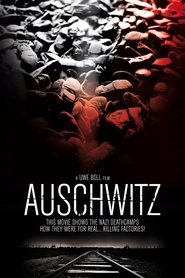
star 3.5Auschwitz is a hard-hitting war film which shows life as it really was at the death camp.Albatross
2011
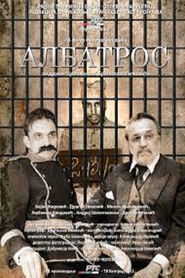
Albatross
2011
Apart from showing the situation in Serbia at that time, the parallel course of the story follows the release of the young writer Nusic from prison and his arrival at the villa of King Milan, where he begs for pardon for the satirical song “Two Slaves” whose publication provoked the king’s anger.Birth of the British Novel
2011
Author Henry Hitchings explores the lives and works of Britain's radical and pioneering 18th-century novelists who, in just 80 years, established all the literary genres we recognise today. It was a golden age of creativity led by Daniel Defoe, Jonathan Swift, Henry Fielding, Laurence Sterne, Fanny Burney and William Godwin, amongst others. Robinson Crusoe, Gulliver's Travels, Tom Jones and Tristram Shandy are novels that still sparkle with audacity and innovation. On his journey through 18th-century fiction, Hitchings reveals how the novel was more than mere entertainment, it was also a subversive hand grenade that would change British society for the better. He travels from the homes of Britain's great and good to its lowliest prisons, meeting contemporary writers like Martin Amis, Will Self, Tom McCarthy and Jenny Uglow on the way.Waitangi Day: What Really Happened
2011
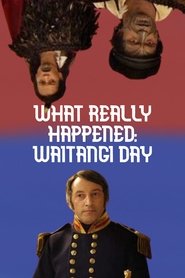
This docudrama follows an imaginary news reporter who travels back in time to cover the days leading up to the Treaty of Waitangi's signing on 6 February 1840. Dropping the usual solemnity surrounding Aotearoa's founding document, it uses humour and asides to camera to evoke the chaos and motives behind the treaty. This clip features a confrontation between Hone Heke and representatives of the Crown.Gente Mala del Norte
2011
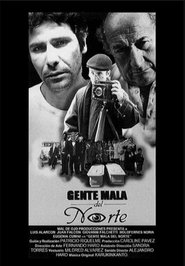
Gente Mala del Norte
2011
In the Strait of Magellan, on 1923, an Irish photographer gradually discovers that the defendants in a bloody crime are innocent, and are only victims of intolerance and political expediency.The Door Ajar
2011
The Door Ajar
2011
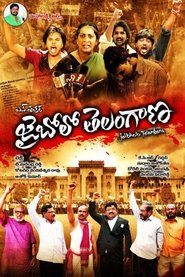
In August 1937, French dramatist and poet Antonin Artaud landed in Cobh and journeyed to Galway with the intention of returning the alleged staff of St. Patrick to its rightful owners, and, with their help, rediscovering some fundamental truths.Jai Bolo Telangana
2011
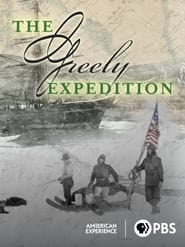
The Greely Expedition
2011
From PBS and American Experience - Using scientific accounts, diaries, photographs and letters, this film reveals how poor planning, personality clashes, questionable decisions and pure bad luck conspired to turn a noble scientific mission into a human tragedy.Hella W
2011
Hella W
2011
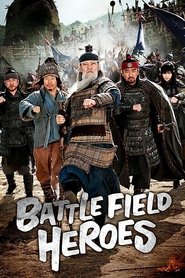
star 4.7The life of a heroine. The life and work of Hella Wuolijoki. A poet, spy and millionaire, she turned into an internationally acclaimed businesswoman, politician and playwright, who collaborated with Europe's leading writers such as Bertolt Brecht and Maxim Gorky, but faced the harshness of a changing world as the Finnish, Soviet and British secret services focus on her life, family and work.Battlefield Heroes
2011
Battlefield Heroes
2011
star 5.5This story unfolds 8 years after 'Battle of Hwangsanbeol', which destroyed Baekjae, when Silla-Tang Dynasty union attacks Goguryeo.Detective K: Secret of Virtuous Widow
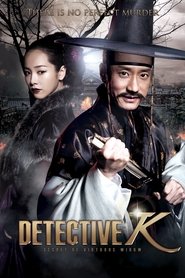
2011
star 6.6In 1782, King Jeong-jo of Joseon asks detective K to investigate a series of murders related to a case of corruption within the government.Ausmerzen
2011
Esperanto
2011
Esperanto
2011
This film, directed by Dominique GAUTIER, takes the viewer on a worldwide excursion into the history and structure of the Esperanto language, introducing its present-day speakers. The words of these users of the language are reflective of a variety of activities and viewpoints, and in the film they are interwoven so as to reveal bit by bit how the utopia of its initiator, Ludwig ZAMENHOF, is concretised every day.Panama Canal
2011
Panama Canal
2011
On August 15th, 1914, the Panama Canal opened, connecting the world's two largest oceans and signaling America's emergence as a global superpower.Lost Cannibals of Europe
2011
Cannibalism has long been considered a dark chapter in man's history. Yet we think of it only as isolated occurrences. Now a Neolithic burial pit in Germany, found filled with expertly butchered human remains, challenges those assumptions. Archaeologists have never seen anything like it--the deeper they dig, the more bizarre the scene becomes. National Geographic joins an international team of experts as they reopen the earth to understand violent events as they played out seven thousand years ago.Bhopali
2011
Bhopali
2011
star 8.8BHOPALI documents the experience of second generation children affected by the Union Carbide gas disaster of 1984, the worst industrial disaster in history, and subsequent contamination of groundwater by Union Carbide Corporation (an American company now owned by Dow Chemical, the second largest chemical company in the world). It follows several children as they and their families cope with the ongoing medical and social disaster, as well as their memories of that traumatizing night that shocked the world and changed Bhopal forever. Set against the backdrop of vehement protests for the 25th anniversary of the disaster, the Bhopalis continue to fight for justice, proving to be anything but victims. Set against a backdrop of high stakes activism, global politics, and human rights advocacy, this film explores the ongoing struggle for justice against Union Carbide, the American corporation responsible for the disaster. Featuring Noam Chomsky, Satinath Sarangi, and attorney Rajan Sharma.