New War Movies on Pantaflix - Page 270
All Services
Free Services
 Netflix
 Amazon Prime Video
 Apple iTunes
 Apple TV Plus
 Disney Plus
 Google Play Movies
 Paramount Plus
 Hulu
Hulu
 HBO Max
 YouTube
 fuboTV
 Peacock
 Peacock Premium
 Amazon Video
 The Roku Channel
 AMC+
AMC on Demand
AMC+
AMC on Demand
 Kocowa
 Hoopla
 The CW
 Vudu
Vudu
 Starz
Starz
 Showtime
 PBS
PBS
 Pantaflix
 FXNow
FXNow
 Tubi TV
 Kanopy
 Comedy Central
 Crunchyroll
 Microsoft Store
 Redbox
 Sun Nxt
 ABC
ABC
 DIRECTV
 Crackle
 Fandor
 Plex
Plex
Netflix
Amazon Prime Video
Apple iTunes
Apple TV Plus
Disney Plus
Google Play Movies
Paramount Plus
Hulu
HBO Max
YouTube
fuboTV
Peacock
Peacock Premium
Amazon Video
The Roku Channel
AMC+
AMC on Demand
Kocowa
Hoopla
The CW
Vudu
Starz
Showtime
PBS
Pantaflix
FXNow
Tubi TV
Kanopy
Comedy Central
Crunchyroll
Microsoft Store
Redbox
Sun Nxt
ABC
DIRECTV
Crackle
Fandor
Plex

Story from the Corner of a Park
1996
The story starts from a corner of the park, then the film crew takes viewers to a family with great tragedies. The question that the filmmakers asked can also be a question for each of us: "I came to Son and his family many times, many days, until this small movie ended. I still haven't I completely understand why and how these people can overcome the rapids of life in such a simple and leisurely way. Is it because of faith? I'm not sure yet. Or is it because they know respect? peace in the spiritual life of a human life?"Glorious Mother
1996
No Man's Land
1996
No Man's Land
1996
Cypriot-Greek and Turkish troops confronted each other on the “green line”. Confusion is caused on both sides by a noise in the quiet of the night…A Web of War
1996
A Web of War
1996
The stories of the battles that brought together a Polish cavalry officer, a Canadian captain, and a Polish underground member are told by the very same Canadians who survived them.Yaban
1996
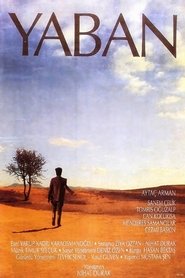
Yaban
1996
Ahmet Celal, who was injured during the war, is in great pain and a young woman named Emine helps him and saves him and heals him. A stormy love breaks out in those scenes and the intrigued life of that love is worked out.Spirit of Hiroshima
1996
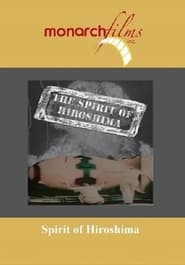
Spirit of Hiroshima
1996
Through the daily life of a Japanese family living in the Hiroshima of the nineties, this documentary uses valuable testimonies to reflect on how these people continue to overcome the atomic bombing of 1945.Business Trip to Death
1996
Short documentary about Russian special forces during the Third Battle of Grozny during the First Chechen WarFeifei
1996
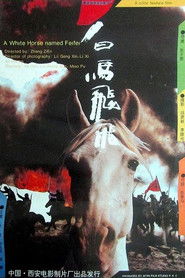
Feifei
1996
During the war against the Japanese, a white horse named Feifei steers away a enemy raiding teams to save its wounded master.Free Fall
1996
Free Fall
1996
Main character of AZ ÖRVÉNY is cameraman György Petö. His private films shot before and during World War II document his family, and particularly his girlfriend and later wife Eva Lengyel. With hindsight, these films, mainly recorded in the southern Hungarian city of Szeged, make up an extremely wry historical document. Petö was a Jew. Slowly but gradually we notice how the anti-Jewish laws and political revolutions in Hungary take the family in a stranglehold. AZ ÖRVÉNY is a rhapsody of found footage. Skillfully edited and complemented with additional footage, it produces an account of an atrocious era and a plea for human dignity.浴血太行
1996
浴血太行
1996
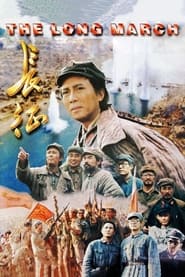
The Long March
1996
The Long March
1996
star 7The Red Army breaks through the three defense lines by the Kuomintang and approaches the Xiangjiang River with the correct judgment and command by Mao Zedong,The Long Journey
1996
The Long Journey
1996
In 1981, six years after the withdrawal of US troops from Vietnam, Tan, a young former Vietcong officer, goes to take the ashes of his dead comrade, Thai, to his family in a remote area. On the overcrowded train out of Ho Chi Min City, he meets Mien, a former female soldier and witness to Thai's death.Minoo Watch Tower
1996
Minoo Watch Tower
1996
star 4.2Minoo who is married to Moosa recently, is moving to the new house. But Moosa receive a letter in which he being told to get back to the Minoo Island (a border island between Iran and Iraq), to dispatch a watch tower there from the period of war. Moosa who has a lot of memories of that place refuses to go there but his wife Minoo is insisting. Finally she manages to convince him and both go there.The Great Triumph
1995
The Great Triumph
1995
star 6.5Several members of a Nationalist Chinese Army unit that is trapped between Japanese forces and another Chinese unit take revenge when their unit is almost wiped out.Richard III
1995
Richard III
1995
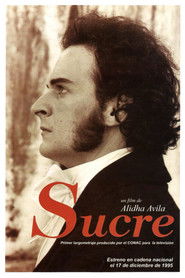
star 6.7A murderous lust for the British throne sees Richard III descend into madness. Though the setting is transposed to the 1930s, England is torn by civil war, split between the rivaling houses of York and Lancaster. Richard aspires to a fascist dictatorship, but must first remove the obstacles to his ascension—among them his brother, his nephews and his brother's wife. When the Duke of Buckingham deserts him, Richard's plans are compromised.Alidha Ávila's Sucre
1995
Alidha Ávila's Sucre
1995
TV Movie based on the life of Antonio José de Sucre, the Gran Mariscal de AyacuchoSong of Freedom
1995
Song of Freedom
1995
This historic film, completed in 1995 by filmmaking duo Tareque Masud and Catherine Masud tells the true story of a troupe of singers traveling through the refugee camps and zones of war during the Bangladesh Liberation War in 1971. The film blends documentary and fictional genres in a musical structure to tell the story of the birth of a nation and the ideals of secularism and tolerance on which it was founded. The filmmakers combined footage of the cultural troupe and their activities, shot by American filmmaker Lear Levin in 1971, with historic footage collected from archives around the world, to create “Muktir Gaan” (Song of Freedom).