New Western Movies on Pantaflix - Page 467
All Services
Free Services
 Netflix
 Amazon Prime Video
 Apple iTunes
 Apple TV Plus
 Disney Plus
 Google Play Movies
 Paramount Plus
 Hulu
Hulu
 HBO Max
 YouTube
 fuboTV
 Peacock
 Peacock Premium
 Amazon Video
 The Roku Channel
 AMC+
AMC on Demand
AMC+
AMC on Demand
 Kocowa
 Hoopla
 The CW
 Vudu
Vudu
 Starz
Starz
 Showtime
 PBS
PBS
 Pantaflix
 FXNow
FXNow
 Tubi TV
 Kanopy
 Comedy Central
 Crunchyroll
 Microsoft Store
 Redbox
 Sun Nxt
 ABC
ABC
 DIRECTV
 Crackle
 Fandor
 Plex
Plex
Netflix
Amazon Prime Video
Apple iTunes
Apple TV Plus
Disney Plus
Google Play Movies
Paramount Plus
Hulu
HBO Max
YouTube
fuboTV
Peacock
Peacock Premium
Amazon Video
The Roku Channel
AMC+
AMC on Demand
Kocowa
Hoopla
The CW
Vudu
Starz
Showtime
PBS
Pantaflix
FXNow
Tubi TV
Kanopy
Comedy Central
Crunchyroll
Microsoft Store
Redbox
Sun Nxt
ABC
DIRECTV
Crackle
Fandor
Plex

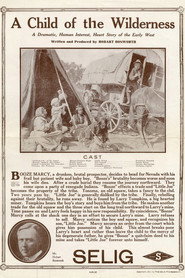
A Child of the West
1912
A Child of the West
1912
Jim Riley is to be arrested for horse stealing and when the sheriff knocks at the door of Jim's shack, he asks his little girl Nellie to go and tell the man he is not at home. Nellie tries to persuade the big sheriff that her father is out, but to no avail, for Jim is arrested and taken away, while he promises his little girl he will soon return.Love and Friendship
1912
Love and Friendship
1912
A Western drama about two brothers who are in love with the same girl. When one of them wrongly thinks she has chosen for the other, he leaves for Mexico.Two Men
1912
The Smuggler
1912
The Smuggler
1912
The story revolves around a smuggler (René Navarre) who rescues a young lady trapped in the canyon. Some rock-climbing shots at the beginning of the film.The Flaming Arrow
1912
The Flaming Arrow
1912
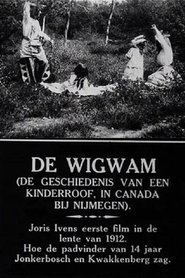
star 4.9At the age of 14 Joris Ivens was fond of Cowboys and Indians stories, so he decided to invent one himself. He made a script and used a camera from his father's shop. This became his first film, Wigwam, with his own family as cast. Black Eagle, a bad Indian, kidnaps the daughter of a farmer's family. Flaming Arrow, played by the young director, saves the child from the kidnapper and brings her back to her family. No better conclusion than smoking a peace pipe. Although filmed in the spring of 1912, the film had a theatrical release in December 1915.Pendaison à Jefferson City
1911
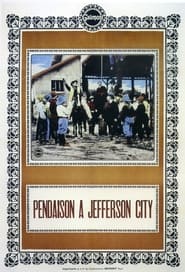
star 4.8Joe is about to be hung for his crimes but he's going to reveal the whole truth first.Broncho Billy's Adventure
1911
star 4Fairfax, California, is the location used for this film, one of the earliest Broncho Billy films. Anderson includes his usual mix of comedy and drama as Broncho Billy gets caught in the middle of a family dispute between a jealous hotel owner and his daughter when she flirts with her boyfriend, a cowboy her father dislikes.The Bully of Bingo Gulch
1911
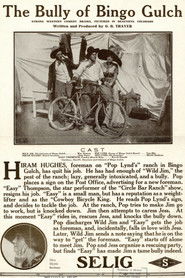
Hiram Hughes, foreman on "Pop" Lynd's ranch in Bingo Gulch, has quit his job. He has had enough of "Wild Jim," who is the pest of the ranch. In despair, Pop goes to Bingo, where he places a sign on the post office, advertising for a new foreman. "Easy" Thompson, the star performer of the "Circle Bar Ranch" show, has had enough of circus life and resigns his job.Broncho Billy's Christmas Dinner
1911
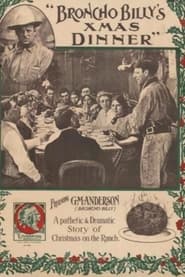
star 4.5It's Christmas, and a young woman is on her way to celebrate the holidays with her parents. A group of drunk cowboys startle her horses making her wagon, with the woman on it, speed off. By chance Broncho Billy saves her life and the grateful girl invites him over for Christmas dinner. Little does he know that the young lady is the Sheriff's daughter…The Cowboy Coward
1911
The Cowboy Coward
1911
star 4.2Henry and Steve, two "bunkies" on the "LL" ranch, are in love with Katie, their employer's daughter. While she likes Steve the best, she feels she cannot accept him because of his craving for gambling. Cash Wilkins, a bully, insults Steve, whereat he receives a good thrashing, and Wilkins, to get even, insults Katie and steals a small revolver that she carries with her. He then sends a note to Katie, that if she wants the gun back to send Henry for it. Henry is afraid of the bully and frightenedly tells Steve that he is afraid he must lose Katie as he can never face Wilkins. Steve looks pityingly at the coward, and taking the note, goes to Wilkin's cabin, and after another thrashing, makes Wilkins write a note of apology to Katie, and a promise to leave the country forever. Steve gives the note and the girl's gun to Henry and tells him to take them to Katie. The girl never suspects and Steve, realizing that "two's company and three's a crowd," packs his clothes and leaves.The Law of the Range
1911
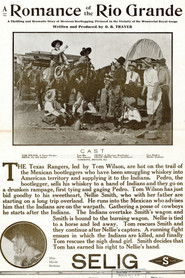
A Romance of the Rio Grande
1911
The Texas Rangers, led by Tom Wilson, are hot on the trail of the Mexican bootleggers, who have been smuggling whiskey into American territory and supplying it to the Indians.A Western Girl
1911
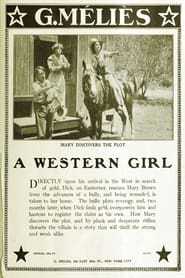
A Western Girl
1911
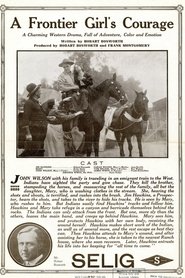
Dick, an easterner, comes west to try his luck at mining. No sooner does he arrive than Hartley, the local gambler and all-around villain, commences to make sport at his expense. Dick endeavors to bear it patiently, but a clash is inevitable, until the arrival at the village store of Mary Brown, one whom all held in respect, excepting Hartley.A Frontier Girl's Courage
1911
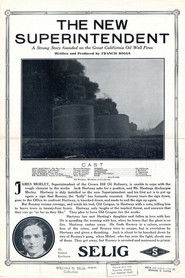
A short Western in which a group of settlers are ambushed and slain by Indians. A girl escapes the massacre, and flees with the gold digger Jim. After this adventure, a romance begins between Jim and the girl.The New Superintendent
1911
James Morley, superintendent of the Crown Hill oil refinery, is unable to cope with the rough element in the works. Jack Hartway asks for a position, and Mr. Hastings discharges Morley. Hartway is duly installed as the new superintendent, and his first act is to put up a sign that Rooney, the bully, has formerly resented. Rooney tears the sign down, goes to the office to confront Hartway, is knocked down, and is made to nail the sign up again.The Girl and the Sheriff
1911
A mountaineer, who has been shot by a pursuing sheriff, is concealed by a mountain girl in her cabin. When the sheriff arrives, she gives him whiskey, while secretly removing the bullets from his gun.The Girl Back East
1911
The Girl Back East
1911
Tom Gray and Jack King are prospecting together in the west. One day they receive a letter from Dorris Dean, a girl whom they both love, asking one of them to come to her assistance, as she is in trouble. They toss a coin to see who shall go, and Jack wins, but later, knowing that Tom will never recover from the blow, he leaves a note telling the other that he will give up all claims to the girl and that Tom should go back. Tom sees Jack leaving the house and thinks he is going back east. In his intense jealousy he shoots Jack from behind, but wounds him slightly.