New Documentary Movies on Tub Tv - Page 15
All Services
Free Services
 Netflix
 Amazon Prime Video
 Apple iTunes
 Apple TV Plus
 Disney Plus
 Google Play Movies
 Paramount Plus
 Hulu
Hulu
 HBO Max
 YouTube
 fuboTV
 Peacock
 Peacock Premium
 Amazon Video
 The Roku Channel
 AMC+
AMC on Demand
AMC+
AMC on Demand
 Kocowa
 Hoopla
 The CW
 Vudu
Vudu
 Starz
Starz
 Showtime
 PBS
PBS
 Pantaflix
 FXNow
FXNow
 Tubi TV
 Kanopy
 Comedy Central
 Crunchyroll
 Microsoft Store
 Redbox
 Sun Nxt
 ABC
ABC
 DIRECTV
 Crackle
 Fandor
 Plex
Plex
Netflix
Amazon Prime Video
Apple iTunes
Apple TV Plus
Disney Plus
Google Play Movies
Paramount Plus
Hulu
HBO Max
YouTube
fuboTV
Peacock
Peacock Premium
Amazon Video
The Roku Channel
AMC+
AMC on Demand
Kocowa
Hoopla
The CW
Vudu
Starz
Showtime
PBS
Pantaflix
FXNow
Tubi TV
Kanopy
Comedy Central
Crunchyroll
Microsoft Store
Redbox
Sun Nxt
ABC
DIRECTV
Crackle
Fandor
Plex

Inggi: The Soul of Kaliuda Weaving
2025
Rambu Merti (22), the youngest daughter in a family of traditional weavers in the village of Kaliuda, East Sumba, stands at a crossroads. On one hand, she feels a deep responsibility to carry on the legacy of Inggi Kaliuda, a woven tradition passed down through generations. On the other hand, she harbors a strong desire to pursue higher education and carve out a different path for herself. Accompanied by her mother, Yustina (64), Merti goes from house to house, seeking handwoven cloths to sell. Through each conversation—about motifs, life stories, and cultural values—emerge questions of identity, sacrifice, and hope. Amid uncertainty, Merti chooses to stay with her mother, while quietly searching for new ways to find meaning in the place she calls home.The Non-Humans
2025
The Non-Humans
2025
I. I examine damaged film material. II. I recover stories by breaking down the medium that contains them. III. I observe the intervention of biological processes in the production of images. IV. The life of signs makes its way.Je vais te tuer
2025
Je vais te tuer
2025
star 8.2This documentary offers a rare look at domestic abuse through the concept of coercive control. With exceptional access to hearings in Poitiers, Colmar, and Paris, Karine Dusfour captures the first French trials to address this form of psychological violence. The film shows how coercive control traps partners through constant monitoring, a hidden terror affecting hundreds of thousands of women and children in France.The Westoxicateds
2025
The Westoxicateds
2025
Stuck in a creative rut, filmmaker Gilda Pourjabar returns to Iran, her homeland, to talk with her brother Siamak, an illustrator based in Tehran. This encounter raises questions about their relationship to Western popular art, as they grew up in a culture that the current political regime describes as “westoxicated.” This documentary uses playful animations by Siamak, inspired by Franco-Belgian comics and rock concert posters, superimposed on archival footage of the most recent popular uprisings in Iran to become a logical collaboration for these artists who shared a record collection as children. Together, they examine how art slips through the cracks of repression to light the rebellious sparks in the hearts of young people.Yo, albañil
2025
Yo, albañil
2025
Project Chapel
2025
Project Chapel
2025
For the first time in history, a quantum computer was installed at a university—in a century old chapel at the oldest engineering school in America. And along with it came the pitfalls, wonder, and adaptation that comes from doing something that’s never been done before.Water tussen ons
2025
Water tussen ons
2025
See a Mother, a Wife, and a Weaver
2025
The Rote Islanders, who live in Indonesia's southernmost edge, have carried on the ancient art of ikat weaving for hundred years. As the wombs that nurture the Rote people's civilization, women play an essential part in this long journey. Mama Masri, one of the last remaining weavers, facing the complexities of life as a mother, wife, and weaver.A Journey To The Black Sea
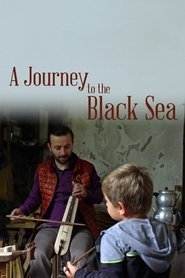
2025
Adem Ekiz lives in Trabzon, Turkey, with his wife and 3 children. He is Muslim and his native language is Greek. He is playing "kemenche." Through his music, he silently breaks the chains between peoples by singing his traditional songs in both Turkish and Greek languages.Disney’s Living Characters: A Broken Promise
2025
So you made a robot stand up and talk... now what? In this over 4-hour journey, Kevin follows the promise of Disney's Living Character Initiative, a dedicated effort to populate Disney's theme parks with free-roaming, interactive, mechanical beings. It was touted as the future of theme parks, so how'd it go?Proyecto Ilúnica
2025
Proyecto Ilúnica
2025
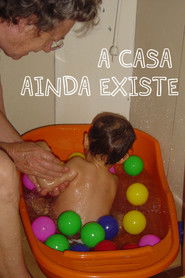
The House Is Still Here
2025
A documental short film about the director's childhood memories in their grandmother's old house, which no longer exists.The Psychic Burden of Being Watched
2025
Voyeurs. Paranoid delusions. Photographic guns. Surveillance states. A video about the feeling that someone is watching you. A spiritual sequel to Lily Alexandre's previous film "Notes On Vanishing".Λύσσα για Πίσσα
2025
Λύσσα για Πίσσα
2025
Chris McCausland: Seeing into The Future
2025
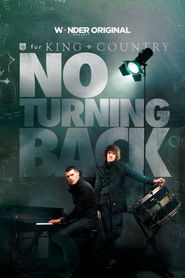
see the comedy star exploring how cutting-edge technology could transform lives "From robots and driverless cars, to AI and the future of smart glasses, he's champing at the bit to find out what the future holds"for KING + COUNTRY: NO TURNING BACK
2025
The true story of Joel and Luke Smallbone’s rise from Australia to worldwide acclaim. Through setbacks, struggles, and faith, the brothers reveal how purpose, family, and grace shaped their journey from mowing lawns to selling out arenas, uncovering the heart behind the band like never before.