New Documentary Movies on Tub Tv - Page 302
All Services
Free Services
 Netflix
 Amazon Prime Video
 Apple iTunes
 Apple TV Plus
 Disney Plus
 Google Play Movies
 Paramount Plus
 Hulu
Hulu
 HBO Max
 YouTube
 fuboTV
 Peacock
 Peacock Premium
 Amazon Video
 The Roku Channel
 AMC+
AMC on Demand
AMC+
AMC on Demand
 Kocowa
 Hoopla
 The CW
 Vudu
Vudu
 Starz
Starz
 Showtime
 PBS
PBS
 Pantaflix
 FXNow
FXNow
 Tubi TV
 Kanopy
 Comedy Central
 Crunchyroll
 Microsoft Store
 Redbox
 Sun Nxt
 ABC
ABC
 DIRECTV
 Crackle
 Fandor
 Plex
Plex
Netflix
Amazon Prime Video
Apple iTunes
Apple TV Plus
Disney Plus
Google Play Movies
Paramount Plus
Hulu
HBO Max
YouTube
fuboTV
Peacock
Peacock Premium
Amazon Video
The Roku Channel
AMC+
AMC on Demand
Kocowa
Hoopla
The CW
Vudu
Starz
Showtime
PBS
Pantaflix
FXNow
Tubi TV
Kanopy
Comedy Central
Crunchyroll
Microsoft Store
Redbox
Sun Nxt
ABC
DIRECTV
Crackle
Fandor
Plex

JUMP!
2025
JUMP!
2025
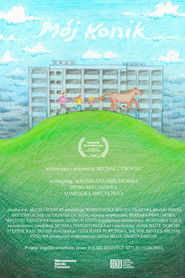
Magda loves horse riding, but unfortunately she can't continue her passion. The increasingly popular in Poland hobby horising comes to her aid. The girl takes part in competitions, where she is overcome with doubts.Dance with Me, Dad
2025
Dance with Me, Dad
2025
Wanting to improve her distant relationship with her depressive father, the adult daughter tries to persuade him to have a deeper conversation and seeks a way to understand him.The Light of Immortality
2025
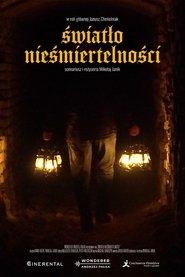
Each of us tells a story about ourselves. Sometimes to show something, but sometimes – to hide something. Thousands of lamps, and among them one stubborn collector – fifty-year-old Janusz.In the Veins
2025
In the Veins
2025
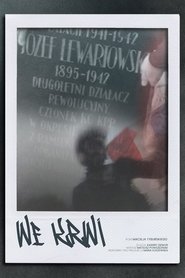
Maciej wants to make a documentary about a certain ghetto fighter and accidentally comes across his descendant, Joseph, who lives in Paris. The guys start a fight for a plaque commemorating his great-grandfather, while also looking for answers about the meaning of rebellion and roots in today's world.All the Colors of Youth
2025
An intimate documentary woven from conversations with today’s teenagers. It explores growing up in the age of social media — the fears, the pressure, the quiet rebellion against adults. While the times keep changing, the emotions stay the same: loneliness, the need for acceptance, feeling lost.Inga
2025
Inga
2025
Portrait a girl who has been living in Poland for some time with her blind parents and four-legged friends. Although the family seems to be settling in well in their new country, actively participating in events organized by the Ukrainian community, they still long for their homeland.Dom/Home
2025
Dom/Home
2025
Reflection on the relationship between man and nature, told by world-famous polar explorers and ski mountaineers.Casting
2025
Casting
2025
"I'm looking for someone who wants to make a film about them" - was the announcement that the director published while searching for a new subject for a documentary. The film is a recording of the casting process that the director conducted with the candidates.A Song of Humble Beauty
2025
The film shows the lives of craftsmen in Karachi and nearby villages, their daily work intertwined with the rhythm of nature and the city.With Love, 12 STEM 1
2025
With Love, 12 STEM 1
2025
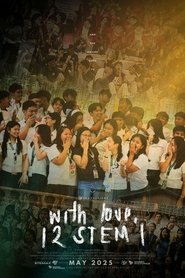
After almost two years of a class full of unique personas and flairs, at last, 12 STEM 1 stars in a limited documentary feature series as they paint the academic year with high flying colors.Learning to Walk 2
2025
Learning to Walk 2
2025
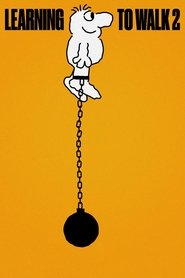
Learning to Walk 2 offers a portrait of the legendary animator Borivoj Dovniković Bordo through a long period of the artist's life, witnessing challenging social and political upheavals, focusing on those moments in which the artist himself becomes, in a way, his own main character. Through a combination of Bordo's animated works, comics and caricatures, this film seeks to speak about the freedom of creativity and seeks an answer to the eternal question: is there a systematic environment in which we truly and truly walk or do we walk lamely, as Bordo's universal hero does.The Trees Were Spelling Love Backwards
2025
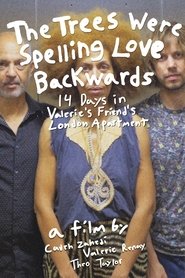
"During Covid, I was contacted online by a woman who lived in Berlin - a French-Caribbean singer and performance artist. She said she was a fan of my work and we started corresponding. These text messages turned into nightly Zoom calls which turned into a desire to meet in person. But travel restrictions in Germany and the US limited our choice to a handful of countries, one of which was England. She had a friend in London with an apartment that was going to be empty at the same time that my ex-wife was taking our kids to Maine for two weeks. So we decided to meet there. She wanted us to make a film together so I suggested we make a film about our relationship." - Caveh ZahediThe Weight Of My Name
2025
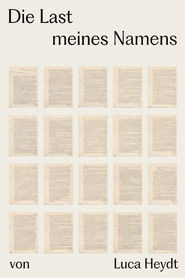
2-channel film installation 'Die Last meines Namens', wherein Heydt deals with an unpleasant part of his own family history. Heydt’s great-grandfather was a member of the NSDAP and mayor of the small town of Haselünne in Emsland for almost 10 years during the Third Reich. Based on interviews with his grandfather and research in various archives, Heydt develops a personal perspective on the subject. The film deals with how we construct identity from oral retellings, how we process family histories, and how we can find current and personal points of access to German remembrance culture. At the heart of the work are two conversations with his grandfather Heinrich Heydt, recorded at different points in the research process. In them, the grandfather describes his memories of his father, the time, and the two reflect on the subject and the results of the research.How to Get on with Everybody
2025
How to Get on with Everybody follows the remarkable life of Rabbi Gluck, a unique figure within the Haredi community who is crossing divides and building friendships in unlikely places.My Grandpa's Home
2025
My Grandpa's Home
2025
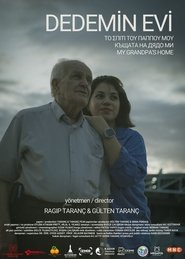
Buğçe embarks on a journey through her family’s past—following her grandfather’s escape from Greece in 1974 and her father’s forced migration from Bulgaria in 1989. Through stories of displacement, she explores themes of belonging, identity, and memory. The paths to her grandfathers’ homes reveal that, beyond borders and time, we all meet within the same longing.I AM ISRAEL: The Mountain of the King
2025
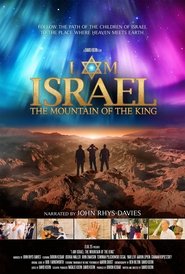
I AM ISRAEL: The Mountain of the King will take you on a great adventure to explore the place where Heaven meets earth. Join the expedition and follow the path of the Glory of God — from the deserts of the Exodus to the very heart of Jerusalem. Along the way, meet Jewish men and women who dream of worshiping God here once again, just as their ancestors did in Biblical times. This much-anticipated sequel to the groundbreaking film, I AM ISRAEL, is the first movie ever made about the Temple Mount, and you’ll be amazed by what you discover. With breathtaking cinematography, powerful storytelling and unprecedented access to the Holy Land’s most ancient sites, this is more than just a movie—it’s an epic journey to the mountain where God’s presence once dwelt… and will soon return.The Book of Emilia
2025
The Book of Emilia
2025
In 2024, the idea of transforming the presentation of María Garijo's book "Hablemos del amor, una vez más" into a journey through love, memories, and music emerged unexpectedly.The Miracle of Istanbul: Liverpool 2005
2025
20 years on, relive Liverpool FC's successful 2005 Champions League campaign, culminating in the miraculous Istanbul final. With insights from Rafa Benitez, Steven Gerrard, Jerzy Dudek, and more, celebrate one of European football's greatest comebacks.Unlabelled
2025
Unlabelled
2025
A feature film that follows the lives of three members of the trans community in Toronto—Lucah, Emery, and Lucy—who graciously take us on a journey through their experiences, both joyful and painful, as they navigate their own paths in the world. This documentary thoughtfully explores the diversity of trans experiences, the importance of community, and the power of being patient with yourself in a society that often rejects your identity. With care and honesty, Johnson-Vosberg presents Unlabelled as a moving portrait of extraordinary individuals who too often go unnoticed in everyday life. The film invites us to reflect on the role of identity and poses a bold question: what if we imagined a future without labels?Fantastic Flowers
2025
Fantastic Flowers
2025
Fantastic Flowers is a compilation of short silent films produced between 1906 and 1920, displaying amazing colours that were applied to each frame using the Pathécolor process, or other similar stencilling techniques. Bonsoir – La Fée aux fleurs (1906) / [Bloemenvelden Haarlem] (1909) / Les Chrysanthèmes (1907) / Le Chrysanthème, roi de l’automne (1914) / [Les Tulipes] (1907) / Les Fleurs dans les jardins (1914) / L’Après-midi d’une japonaise (1920) / The Beauty Thief ([1920]) / La Fée printemps (1906) / [Het schoonste uit de natuur] (1912?) / La Culture du dahlia (1911) / [Hollandse Tulpen en Klompen] (1920?) / Fabrication des fleurs artificielles (1911) / [Bonsoir tableau] (1906)