Popular History Movies - Page 310
All Services
Free Services
 Netflix
 Amazon Prime Video
 Apple iTunes
 Apple TV Plus
 Disney Plus
 Google Play Movies
 Paramount Plus
 Hulu
Hulu
 HBO Max
 YouTube
 fuboTV
 Peacock
 Peacock Premium
 Amazon Video
 The Roku Channel
 AMC+
AMC on Demand
AMC+
AMC on Demand
 Kocowa
 Hoopla
 The CW
 Vudu
Vudu
 Starz
Starz
 Showtime
 PBS
PBS
 Pantaflix
 FXNow
FXNow
 Tubi TV
 Kanopy
 Comedy Central
 Crunchyroll
 Microsoft Store
 Redbox
 Sun Nxt
 ABC
ABC
 DIRECTV
 Crackle
 Fandor
 Plex
Plex
Netflix
Amazon Prime Video
Apple iTunes
Apple TV Plus
Disney Plus
Google Play Movies
Paramount Plus
Hulu
HBO Max
YouTube
fuboTV
Peacock
Peacock Premium
Amazon Video
The Roku Channel
AMC+
AMC on Demand
Kocowa
Hoopla
The CW
Vudu
Starz
Showtime
PBS
Pantaflix
FXNow
Tubi TV
Kanopy
Comedy Central
Crunchyroll
Microsoft Store
Redbox
Sun Nxt
ABC
DIRECTV
Crackle
Fandor
Plex

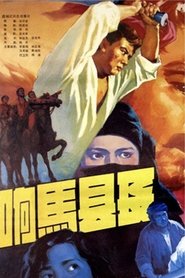
The Head of A County Who Was A Bandit
1985
It tells a legendary story about a bandit who is an official during the day and a thief at night.Jimmy's Hall
2014
Jimmy's Hall
2014
star 6.7Jimmy Gralton returns from New York and reopens his beloved community hall, only to meet opposition from the local parish.Death in the Seine
1989
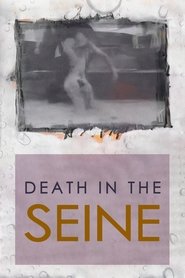
Death in the Seine
1989
star 5.2Between 1795 and 1801, 306 drowned people were recovered from the Seine river, near Paris. Peter Greenaway propouns a historical approach were 25 significant cases of drownings are catalogued, dissected and elaborated, with multilayered visuals and 'documentary' asides.The Weight of Chains
2010
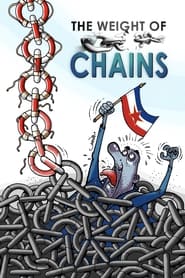
The Weight of Chains
2010
star 7.3The Weight of Chains is a Canadian documentary film that takes a critical look at the role that the US, NATO and the EU played in the tragic breakup of a once peaceful and prosperous European state - Yugoslavia. The film, bursting with rare stock footage never before seen by Western audiences, is a creative first-hand look at why the West intervened in the Yugoslav conflict, with an impressive roster of interviews with academics, diplomats, media personalities and ordinary citizens of the former Yugoslav republics. This film also presents positive stories from the Yugoslav wars - people helping each other regardless of their ethnic background, stories of bravery and self-sacrifice.The Battle of Bang Rajan
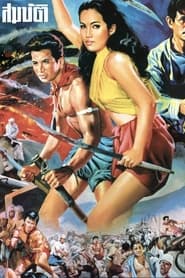
1966
This movie is about Bang Rajan village. This village is located north of Ayutthaya, the old capital of Siam, predecessor state to modern Thailand. The village played a famous role related to its resistance against the Burmese in the war that saw the destruction of Ayutthaya city in 1767. Tap is a Siamese soldier leader. Siamese people have internal conflicts while they are also fighting with Burma.The Painter
2012
The Painter
2012
Hiroshima Mon Amour
1959
Hiroshima Mon Amour
1959
star 7.7The deep conversation between a Japanese architect and a French actress forms the basis of this celebrated French film, considered one of the vanguard productions of the French New Wave. Set in Hiroshima after the end of World War II, the couple -- lovers turned friends -- recount, over many hours, previous romances and life experiences. The two intertwine their stories about the past with pondering the devastation wrought by the atomic bomb dropped on the city.Ebony: The Last Years Of The Atlantic Slave Trade
2016
star 7.6First-person accounts of slaves, ship owners, traders and colonists recounting the struggle to end the Atlantic slave trade. Drawing on the logbooks, letters and diaries of the victims and witnesses to one of history’s most brutal eras, depicted through dramatic recreations, bolstered by authentic drawings and period documents, featuring insight from historical experts around the world.Tattoos in Memory
2024
Tattoos in Memory
2024
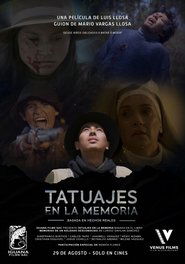
A boy from Ayacucho becomes an orphan and, following his older brother joins the Shining Path, where he is trained in violence. Captured by the Army, he finds a second chance as a soldier.The Lost Republic II
1986
The Lost Republic II
1986
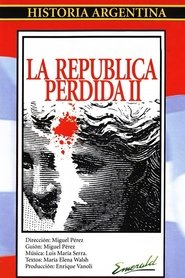
star 6.8A history of Argentina's last military dictatorship (1976-1983). After "La Republica Perdida" was made, which covered 1930 to 1976, there was an important part of Argentina's history yet to be told, which was too recent to be covered by the first documentary. The first movie was made at the end of the last dictatorship. This second documentary covers this last dictatorship from 1976 to 1983.四世同堂 全明星台湾首演版
2010
四世同堂 全明星台湾首演版
2010
Stalin's Last Plot
2011
Stalin's Last Plot
2011
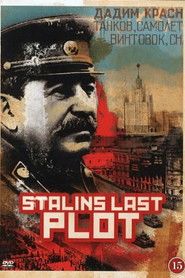
star 8January 1953: On the eve of his death Stalin finds himself yet another imaginary enemy: Jewish doctors. He organizes the most violent anti-Semitic campaign ever launched in the USSR, by fabricating the "Doctors' Plot," whereby doctors are charged with conspiring to murder the highest dignitaries of the Soviet Regime. Still unknown and untold, this conspiracy underlines the climax of a political scheme successfully masterminded by Stalin to turn the Jews into the new enemies of the people. It reveals his extreme paranoia and his compulsion to manipulate those around him. The children and friends of the main victims recount for the first time their experience and their distress related to these nightmarish events.의사 안중근
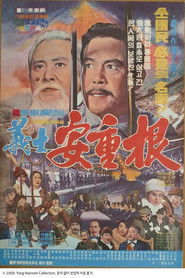
1972
의사 안중근
1972
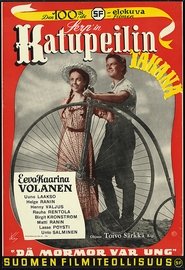
Katupeilin takana
1949
Katupeilin takana
1949
star 4.21892. Vappu Biörcke and Kaarlo Härkönen get to know each other during the summer in the countryside at the birthday of Vappu Jalle-sedä. In Helsinki, the young people continue their courtship under the supervision of Vapu's aunt, Moster Mella. However, Vapu's father, business advisor Ossian Biörcke, is not as accepting when his daughter's actions begin to be revealed.Time of Darkness and Silence
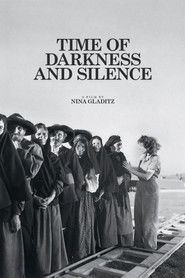
1982
star 6An investigation of Leni Riefenstahl’s infamous film production of “Tiefland” during the Holocaust, one which used Sinti extras under forced labor conditions. After filming finished in 1944, these extras were sent to Auschwitz. Nina Gladitz interviews the survivors and perpetrators, wondering if Riefenstahl knew this would happen at the end of production. Tiefland was filmed from 1940-1944 but was not released until 1954. Leni Riefenstahl sued Gladitz over the documentary.The Animograph, or I Was Born in a Shoebox
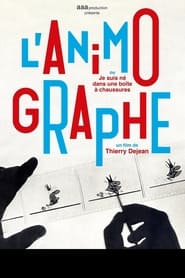
2022
star 8The amazing story of the animograph, a machine created in France in the sixties by the cartoonist and self-taught inventor Jean Dejoux (1922-2015), whose creation was intended to revolutionize the animation industry.War and Peace, Part III: The Year 1812
1966
star 7.5In 1812, as Napoleon's army invades Russia, Kutuzov asks Bolkonsky to join him as a staff officer, yet the prince requests a command in the field. Pierre sets out to watch the armies' impending confrontation. As the Battle of Borodino rages, he volunteers to assist in an artillery battery. Part three of the four-part adaptation of Leo Tolstoy's 1869 novel.