Popular Movies on Kanopy - Page 490
All Services
Free Services
 Netflix
 Amazon Prime Video
 Apple iTunes
 Apple TV Plus
 Disney Plus
 Google Play Movies
 Paramount Plus
 Hulu
Hulu
 HBO Max
 YouTube
 fuboTV
 Peacock
 Peacock Premium
 Amazon Video
 The Roku Channel
 AMC+
AMC on Demand
AMC+
AMC on Demand
 Kocowa
 Hoopla
 The CW
 Vudu
Vudu
 Starz
Starz
 Showtime
 PBS
PBS
 Pantaflix
 FXNow
FXNow
 Tubi TV
 Kanopy
 Comedy Central
 Crunchyroll
 Microsoft Store
 Redbox
 Sun Nxt
 ABC
ABC
 DIRECTV
 Crackle
 Fandor
 Plex
Plex
Netflix
Amazon Prime Video
Apple iTunes
Apple TV Plus
Disney Plus
Google Play Movies
Paramount Plus
Hulu
HBO Max
YouTube
fuboTV
Peacock
Peacock Premium
Amazon Video
The Roku Channel
AMC+
AMC on Demand
Kocowa
Hoopla
The CW
Vudu
Starz
Showtime
PBS
Pantaflix
FXNow
Tubi TV
Kanopy
Comedy Central
Crunchyroll
Microsoft Store
Redbox
Sun Nxt
ABC
DIRECTV
Crackle
Fandor
Plex

Servant or Slave
2016
Servant or Slave
2016
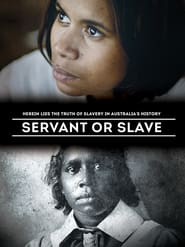
star 7.5During the time of the Stolen Generations, thousands upon thousands of Aboriginal girls were taken from their families and pressed into domestic servitude by the Australian Government. They were supposedly employed as servants, but with total control over their movements, wages and living conditions, their lives all too frequently became an inescapable cycle of abuse, rape and enslavement, with consequences that echo powerfully to this day. Recounting the stories of five of these women – Rita, Violet and the three Wenberg sisters – Servant or Slave is a commanding piece of first-person testimony to a dark and unacknowledged corner of Australian history. Shot with admirable craft and humanity by documentarian Steven McGregor (Croker Island Exodus, MIFF 2012), Servant or Slave is a work of great sadness and urgency, bringing to forceful life the human tragedy of Australia's Indigenous history in the unadorned words of those who lived it.Color Me Obsessed: A Film About The Replacements
2011
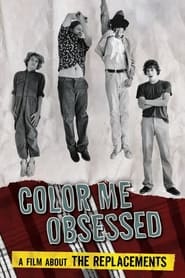
star 7For some aging music fans and kids with a passion for musical history, The Replacements are rock and roll defined. Gorman Bechard's remarkable history of the 'Mats takes us from their first show as the Impediments to their 1991 onstage breakup in Chicago, and everywhere in between. Bechard bravely eschews including the band's music, photos, and live footage, instead relying solely on the fans: their well-kept memories, hilarious anecdotes, and differing points of views about the foursome's wildly varied discography and infamous antics.I Was a Simple Man
2021
I Was a Simple Man
2021
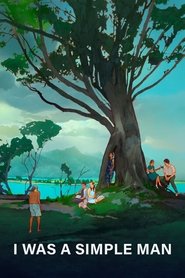
star 6.1A ghost story set in the pastoral countryside of the north shore of O‘ahu telling the story of an elderly man facing the end of his life, visited by the ghosts of his past.Thailand Moment
2015
Thailand Moment
2015
In 1967 Les Blank and Skip Gerson were hired to work in Thailand on a documentary about the B52 Bomber and its use in bombing campaigns over Vietnam.Autonomy
2019
Autonomy
2019
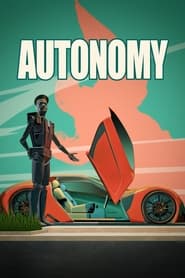
star 5.6A cinematic exploration of the world of automated vehicles — from their technical history to the personal narratives of those affected by them to the many unanswered questions about how this technology will affect modern society. This documentary features interviews with industry pioneers and scenes with cutting-edge “AVs” in action around the world.Single Car Crashes
2024
Single Car Crashes
2024
star 610 years after a fatal car crash, Sean must confront his grief or risk being left behind by the loved ones who know him best.Four Around the Woman
1921
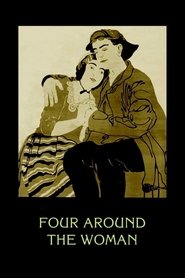
star 5.9Harry Yquem buys his beloved wife some jewelry in a place where underworld middlemen trade in fake and stolen goods. By chance, he spots a man with whom his wife had an affair in the past.The Blue Light
1976
The Blue Light
1976
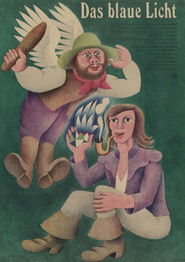
star 6.8Hans the farmer is drawn into war as a soldier. Returning from the front, having been defrauded of his pay by his own king, he makes his way home. On his trip, he encounters a witch who asks him to fetch the light from a spring. He keeps it when the witch tries to deceive him and he discovers her foul magic. When the light is ignited, a little man appears who must serve the owner of the light, but it only has power if the owner has faith in himself. His courage bolstered, Hans goes to the king once more to demand his wages be paid.How to Eat Your Watermelon in White Company (and Enjoy It)
2005
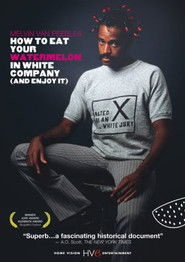
star 7Melvin Van Peebles was one of the first black directors to challenge the white establishment in his films, which include "Watermelon Man" and "Sweet Sweetback's Baadasssss Song." In this documentary, the life of Van Peebles is discussed, including his work not only in film, but also as a novelist, actor, musician, stock trader and even Air Force pilot. Interview subjects include Gil Scott-Heron, Spike Lee and Melvin's son and fellow filmmaker, Mario Van Peebles.I Am Yours
2013
I Am Yours
2013
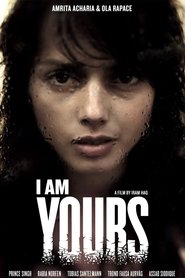
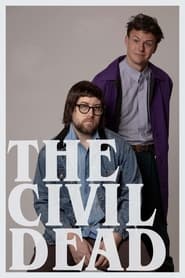
star 5.1An unhappy single mother in Norway's Pakistani expatriate community begins to ignore her young son in favor of placating a Swedish filmmaker she thinks could change her life for the better.The Civil Dead
2023
The Civil Dead
2023
star 5A misanthropic, struggling photographer just wants to watch TV and eat candy while his wife is out of town, but when a desperate old pal resurfaces, his plans are thwarted, with spooky consequences.Martin's Close
2019
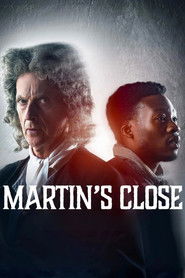
Martin's Close
2019
star 5.6A young squire accused of murdering a young girl that did not return his feelings of love reveals a supernatural secret at his trial.Rubber Dolphin
2018
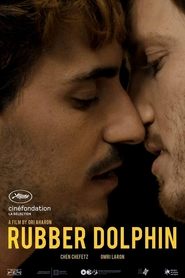
Rubber Dolphin
2018
star 5.5A gay love story set in a one-bedroom apartment in Tel Aviv. They meet, they have sex, they fall in love. Will it last until the morning comes?Let My People Go !
2011
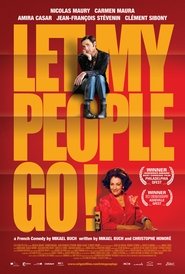
Let My People Go !
2011
star 5Everyone knows that Ruben is Jewish, gay, half-French, half-Finnish, an ungrateful son and disappointing lover, a thief who can’t help himself, and possibly a murderer to boot. The only person who doesn't know who Ruben is is Ruben himself. When he comes to a major turning point in his life, Ruben cannot make up his mind which way to go. Should he follow his people or his heart?We Were Children
2012
We Were Children
2012
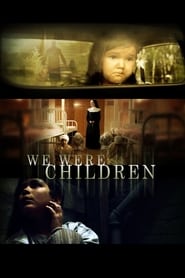
star 7.2For over 130 years till 1996, more than 100,000 of Canada's First Nations children were legally required to attend government-funded schools run by various Christian faiths. There were 80 of these 'residential schools' across the country. Most children were sent to faraway schools that separated them from their families and traditional land. These children endured brutality, physical hardship, mental degradation, and the complete erasure of their culture. The schools were part of a wider program of assimilation designed to integrate the native population into 'Canadian society.' These schools were established with the express purpose 'To kill the Indian in the child.' Told through their own voices, 'We Were Children' is the shocking true story of two such children: Glen Anaquod and Lyna Hart.Christmas Cracker
1963
Christmas Cracker
1963
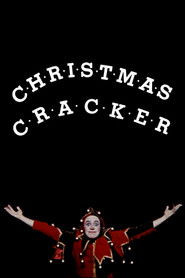
star 7Three separate sequences related to Christmas, animated in different styles: cutout animation of children dancing in the snow to "Jingle Bells," stop-motion animation of toys come to life, and cel animation of a man who seeks the ideal star to top his Christmas tree.The Witness
2015
The Witness
2015
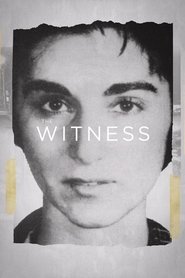
star 6.6A brother's journey to unravel the truth about the mythic death and little known life of Kitty Genovese, who was reportedly murdered in front of 38 witnesses and has become the face of urban apathy.The Land
2015
The Land
2015
A new documentary film about the nature of play, risk and hazard, set in a European adventure playground. Here, children climb trees, light fires and use hammers and nails in a play-space rooted in the belief that kids are empowered when they learn to manage risks on their own.In Bloom
2013
In Bloom
2013
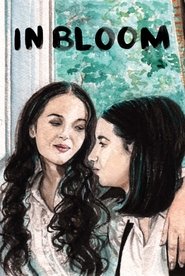
star 7.1Eka and Natia leave their childhood behind and ignore societal customs to escape from their turbulent family lives.Bad Press
2023
Bad Press
2023
When the Muscogee Nation suddenly begins censoring its free press, a rogue reporter fights to expose her government's corruption in a historic battle that will have ramifications for all of Indian country.