Popular Documentary Movies on Kanopy - Page 133
All Services
Free Services
 Netflix
 Amazon Prime Video
 Apple iTunes
 Apple TV Plus
 Disney Plus
 Google Play Movies
 Paramount Plus
 Hulu
Hulu
 HBO Max
 YouTube
 fuboTV
 Peacock
 Peacock Premium
 Amazon Video
 The Roku Channel
 AMC+
AMC on Demand
AMC+
AMC on Demand
 Kocowa
 Hoopla
 The CW
 Vudu
Vudu
 Starz
Starz
 Showtime
 PBS
PBS
 Pantaflix
 FXNow
FXNow
 Tubi TV
 Kanopy
 Comedy Central
 Crunchyroll
 Microsoft Store
 Redbox
 Sun Nxt
 ABC
ABC
 DIRECTV
 Crackle
 Fandor
 Plex
Plex
Netflix
Amazon Prime Video
Apple iTunes
Apple TV Plus
Disney Plus
Google Play Movies
Paramount Plus
Hulu
HBO Max
YouTube
fuboTV
Peacock
Peacock Premium
Amazon Video
The Roku Channel
AMC+
AMC on Demand
Kocowa
Hoopla
The CW
Vudu
Starz
Showtime
PBS
Pantaflix
FXNow
Tubi TV
Kanopy
Comedy Central
Crunchyroll
Microsoft Store
Redbox
Sun Nxt
ABC
DIRECTV
Crackle
Fandor
Plex

River of Gold
2016
River of Gold
2016
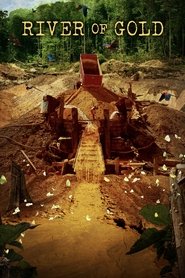
Narrated by Academy Award winners Sissy Spacek and Herbie Hancock, River of Gold is the disturbing account of a clandestine journey into Peru's Amazon rainforest to uncover the savage unraveling of pristine jungle. What will be the fate of this critical region of priceless biodiversity as these extraordinarily beautiful forests are turned into a hellish wasteland?The New Clark: Bringing the Ando Experience to the Berkshires
2014
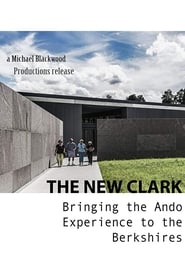
"The New Clark: Bringing the Ando Experience to the Berkshires" is a revealing insight into a long-term radical expansion of the Clark Art Institute in Williamstown, Massachusetts. The film follows the close collaboration between the museum and its internationally-acclaimed Japanese architect, Tadao Ando. Both Ando and the director of the Clark Art Institute, Michael Conforti, ponder the complexities of the project and the challenges involving aesthetic, setting, and community impact during the difficult twelve-year period. Determined to honor the institute's original buildings while introducing the modern elements associated with his unique style, Ando's design evokes a classic tranquility that seamlessly blends the Clark Art Institute with its stunning surroundings.Between Land and Sea
2018
Between Land and Sea
2018
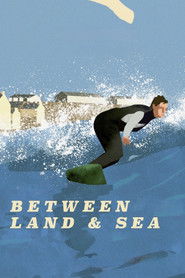
star 4This observational feature– at times intimate, at times epic – embeds itself in the Big Wave surf community to present a thoroughly engaging and visually stunning portrait of the ever-changing life at land's end. Against the backdrop of Ireland's stunning west coast, this film digs deep into the day to day lives of the surf community, taking the audience beyond the bluster of the typical adrenaline fueled film to create a very real portrait of those who choose the surf lifestyle.Rock Bottom Riser
2021
Rock Bottom Riser
2021
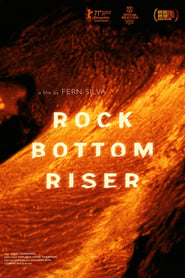
star 1From the earliest voyagers who navigated by starlight to the discovery of habitable planets by astronomers, Rock Bottom Riser examines the all-encompassing encounters of an island world at sea. As lava continues to flow from the earth’s core on the island of Hawaii—posing an imminent danger—a crisis mounts. Astronomers plan to build the world’s largest telescope on Hawaii’s most sacred and revered mountain, Mauna Kea. Based on ancient Polynesian navigation, the arrival of Christian missionaries, and the observatory’s ability to capture the origins of the universe, Rock Bottom Riser surveys the influence of settler colonialism, the search for intelligent life, and the discovery of new worlds as we peer into our own planet’s existence.John Singer Sargent: Fashion and Swagger
2024
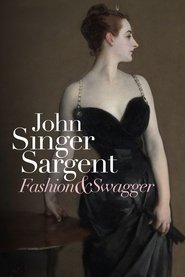
star 9.5Filmed at the Museum of Fine Arts, Boston and the Tate Britain, London, the exhibition reveals Sargent’s power to express distinctive personalities, power dynamics and gender identities during this fascinating period of cultural reinvention. Alongside 50 paintings by Sargent sit stunning items of clothing and accessories worn by his subjects, drawing the audience into the artist’s studio. Sargent’s sitters were often wealthy, their clothes costly, but what happens when you turn yourself over to the hands of a great artist? The manufacture of public identity is as controversial and contested today as it was at the turn of the 20th century, but somehow Sargent’s work transcends the social noise and captures an alluring truth with each brush stroke.A Place Called Chiapas
1998
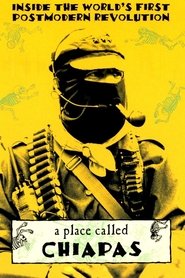
star 7In 1994, the Zapatista National Liberation Army, made up of impoverished Mayan Indians from the state of Chiapas, took over five towns and 500 ranches in southern Mexico. The government deployed its troops and at least 145 people died in the ensuing battle. Filmmaker Nettie Wild travelled to the country's jungle canyons to film the elusive and fragile life of this uprising.Wild Ways of the Vikings
2019
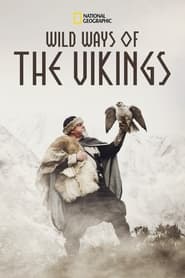
star 6.6Ewan McGregor narrates a unique nature special looking at the wildlife of the North Atlantic through the eyes of the Vikings. Combining historical re-enactment with jaw-dropping Natural History sequences, Wild Way of the Vikings features vast herds of reindeer, huge gannet colonies, cute Arctic foxes, seal-hunting orca, mystical ravens and giant walruses.Learning to Skateboard in a Warzone (If You're a Girl)
2020
star 7.3The story of young Afghan girls learning to read, write and skateboard in Kabul.Wallowitch & Ross: This Moment
1999
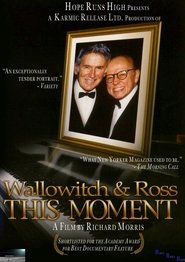
star 2.7Documentarian Richard Morris examines both the onstage and offstage lives of veteran cabaret entertainers John Wallowitch and Bertram Ross. Since 1984, Wallowitch and Ross have been a performing duo, entertaining nightclub audiences with such acid-tongued musical parodies as "If You Don't Love Me, I'll Kill Myself -- Or Maybe I'll Kill You" and "Don't Do To Me What Woody Did To Mia." Wallowitch and Ross have also been lovers for 30 years, who met while while both were active in the New York creative community; Ross spent close to three decades as a dancer with the Martha Graham company and Wallowitch is a Julliard-trained pianist and songwriter with over 1,000 compositions to his credit. Morris exmines Wallowitch and Ross both as artists and members of the gay community without patronizing or exploiting them in the process.Informant
2013
Informant
2013
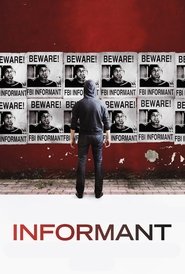
star 5.3Vilified by some and venerated by others as the FBI informant largely responsible for the imprisonment of two youths following the 2008 Republican National Convention, Darby was once a charismatic activist mythologized by the American Left for his daredevil aid work in New Orleans’ Ninth Ward in the aftermath of Hurricane Katrina. Informant meticulously constructs a portrait of his life—before and after the death threats—through intimate interviews with Darby and tense reenactments starring the man himself.When Liberty Burns
2020
When Liberty Burns
2020
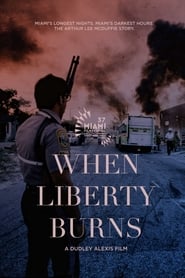
An in-depth analysis on the 40th Anniversary of the life and untimely death of Arthur Lee McDuffie at the hands of Miami Dade police officers.Poetry in Motion
1982
Poetry in Motion
1982
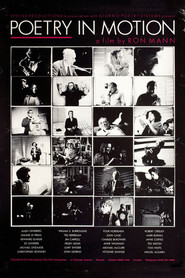
star 7More than 20 contemporary North American poets recite, sing, and perform their work. Early in the film, Charles Bukowski talks about the energy of poets and of a poem. These poets are the children of Walt Whitman and of Charles Olson, incantatory and oratorical, radical, sometimes incorporating contemporary political imagery. Black Mountain poets, the Beats, minimalists like John Cage, the wordless Four Horsemen, Tom Waits, and others capture aspects of poets as troubadours.Dear Governor Cuomo
2012
Dear Governor Cuomo
2012
'Dear Governor Cuomo' is a concert protest film aimed at influencing New York state's decision to ban hydraulic fracturing - fracking - or adopt it. Featuring local activists including Mark Ruffalo, 'Melissa Leo' , 'Natalie Merchant' , Pete Seeger, Citizen Cope and scientists like Sandra Steingraber, the film - a blend of 'The Last Waltz' and 'An Inconvenient Truth' lays out the science and facts behind the decision and encourages the governor to join the anti-fracking majority in his state. Though focused on the issue in New York, the education, and incredible music, are relevant in the 34 states that already allow fracking.Voice of Freedom
2021
Voice of Freedom
2021
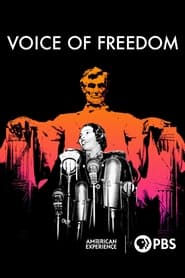
On Easter Sunday, 1939, contralto Marian Anderson stepped up to a microphone in front of the Lincoln Memorial. Inscribed on the walls of the monument behind her were the words “all men are created equal.” Barred from performing in Constitution Hall because of her race, Anderson would sing for the American people in the open air. Hailed as a voice that “comes around once in a hundred years” by maestros in Europe and widely celebrated by both white and black audiences at home, her fame hadn’t been enough to spare her from the indignities and outright violence of racism and segregation.WAMEGO: Making Movies Anywhere
2004
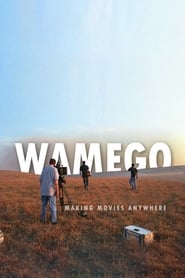
From the majestic prairie fires of Kansas, through the neon glow of a carnival, to a year-in-the-life journey on making a dream come true, this documentary follows The Balderson Family on their pursuit to prove anyone can make motion pictures anywhere. This movie reveals independent cinema as it really is, on the set and off - a family of artists, celebrities and icons taking part of the process.Talent Has Hunger
2016
Talent Has Hunger
2016
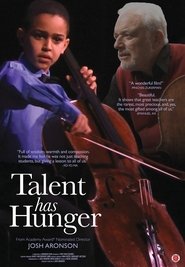
Documentary about the influence that master cello player Paul Katz has on four gifted cello players over the space of several years. It explores how music can influence and enhance the lives of both the teacher and his students.Segantini: Back to Nature
2017
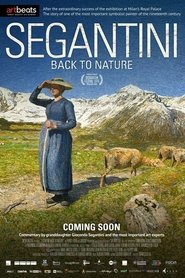
star 7.4Giovanni Segantini rose from humble origins to become the most important of Italian pointillists, and one of the most important symbolist painters in the 19th century. This film focuses on his way of feeling nature as a source of artistic and spiritual inspiration.With One Voice
2009
With One Voice
2009
star 1This illuminating documentary explores the unity of humanity, featuring mystics from around the world, whose lives have been dedicated to answering the mysteries of existence.Princes of the Yen
2014
Princes of the Yen
2014
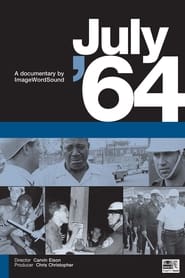
star 7.3Set in 20th Century Japan the documentary explores the role and power of Central Banks and how they can be used to change a country's economic political and social structures A documentary adaption off the book by Professor Richard Werner.July '64
2004
July '64
2004
star 7A historic three-day race riot erupted in two African American neighborhoods in the northern, mid-sized city of Rochester, New York. On the night of July 24, 1964, frustration and resentment brought on by institutional racism, overcrowding, lack of job opportunity and police dog attacks exploded in racial violence that brought Rochester to its knees. Combines historic archival footage, news reports, and interviews with witnesses and participants to dig deeply into the causes and effects of the historic disturbance.