Popular Documentary Movies on Kanopy - Page 130
All Services
Free Services
 Netflix
 Amazon Prime Video
 Apple iTunes
 Apple TV Plus
 Disney Plus
 Google Play Movies
 Paramount Plus
 Hulu
Hulu
 HBO Max
 YouTube
 fuboTV
 Peacock
 Peacock Premium
 Amazon Video
 The Roku Channel
 AMC+
AMC on Demand
AMC+
AMC on Demand
 Kocowa
 Hoopla
 The CW
 Vudu
Vudu
 Starz
Starz
 Showtime
 PBS
PBS
 Pantaflix
 FXNow
FXNow
 Tubi TV
 Kanopy
 Comedy Central
 Crunchyroll
 Microsoft Store
 Redbox
 Sun Nxt
 ABC
ABC
 DIRECTV
 Crackle
 Fandor
 Plex
Plex
Netflix
Amazon Prime Video
Apple iTunes
Apple TV Plus
Disney Plus
Google Play Movies
Paramount Plus
Hulu
HBO Max
YouTube
fuboTV
Peacock
Peacock Premium
Amazon Video
The Roku Channel
AMC+
AMC on Demand
Kocowa
Hoopla
The CW
Vudu
Starz
Showtime
PBS
Pantaflix
FXNow
Tubi TV
Kanopy
Comedy Central
Crunchyroll
Microsoft Store
Redbox
Sun Nxt
ABC
DIRECTV
Crackle
Fandor
Plex

McCarthy
2020
McCarthy
2020
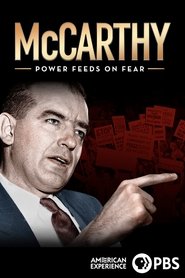
star 8"McCarthy" chronicles the rise and fall of Joseph McCarthy, the Wisconsin senator who came to power after a stunning victory in an election no one thought he could win. Once in office, he declared that there was a vast conspiracy threatening America — emanating not from a rival superpower, but from within. Free of restraint or oversight, he conducted a crusade against those he accused of being enemies of the state, a chilling campaign marked by groundless accusations, bullying intimidation, grandiose showmanship and cruel victimization. With lawyer Roy Cohn at his side, he belittled critics, spinning a web of lies and distortions while spreading fear and confusion. After years in the headlines, he was brought down by his own excesses and overreach. But his name lives on linked to the modern-day witch hunt we call “McCarthyism.”Dreaming of a Jewish Christmas
2017
star 8An offbeat, irreverent musical documentary that tells the story of a group of Jewish songwriters, including Irving Berlin, Mel Tormé, Jay Livingston, Ray Evans, Gloria Shayne Baker and Johnny Marks, who wrote the soundtrack to Christianity’s most musical holiday. It’s an amazing tale of immigrant outsiders who became irreplaceable players in pop culture’s mainstream – a generation of songwriters who found in Christmas the perfect holiday in which to imagine a better world, and for at least one day a year, make us believe.Peter Eisenman: Building Germany's Holocaust Memorial
2009
This documentary explores the creation of the Holocaust Memorial in Berlin as designed by architect Peter Eisenman. Reaction of the German public to the completed memorial is also shown.Portrait of Jason
1967
Portrait of Jason
1967
star 6.4Interview with Jason Holliday aka Aaron Payne. House-boy, would-be cabaret performer, and self-proclaimed hustler giving one man's gin-soaked, pill-popped view of what it was like to be black and gay in 1960s United States. Preserved by the Academy Film Archive in partnership with Milestone Films in 2013.The Upsetter: The Life and Music of Lee Scratch Perry
2008
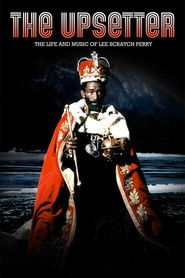
star 6.5The Upsetter tells the fascinating story of Lee Scratch Perry a visionary musician and artist from poor rural Jamaica who journeyed to the big city of Kingston in the late 1950’s with dreams of making it in the burgeoning record industry. He burst upon the scene with a brand new sound, inventing a genre of music that would come to be called Reggae, discovering a young Bob Marley and gaining international recognition as a record producer and solo artist. Soon he was being called upon by artists as diverse as The Clash and Paul McCartney to provide his unique sound.My Sextortion Diary
2024
My Sextortion Diary
2024
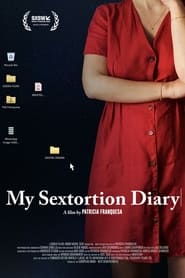
Pati, a young film producer, is fighting to carve out a professional career in the film industry. It is May 2019 when her laptop is stolen during a business trip in Madrid. Two months after, an anonymous Hacker accesses all the stored data in the stolen device and finds three very private photos of Pati. He threatens that if he doesn’t receive $2,400 he will mass-mail the pictures to all her work contacts in order to ruin her professional reputation. The shame, anger and distress caused by the ineffectiveness of the legal forces lead Pati to set out on her own investigation to stop the Hacker and regain control and power over her privacy.Meet the Mennonites
2020
Meet the Mennonites
2020
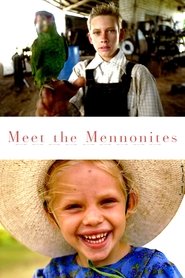
star 8Like the Amish, the ultra-conservative Christian community of the Mennonites reject modern society and live a life frozen in the 19th century. Nearly all Mennonites live in self-sufficient colonies, embracing isolation, which helps protect them from the temptations of the modern world. Now, for the first time, one of these communities has agreed to open their doors to our cameras.The Hornet's Nest
2014
The Hornet's Nest
2014
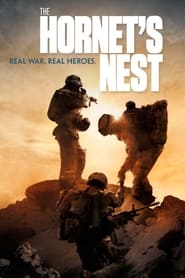
star 6.3Armed only with their cameras, Peabody and Emmy Award-winning conflict Journalist Mike Boettcher, and his son, Carlos, provide unprecedented access into the longest war in U.S. history: they are embed with U.S. troops during nine days of intense combat in Afghanistan.Recovery
2021
Recovery
2021
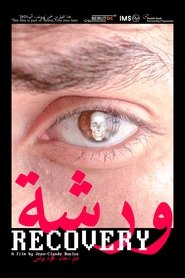
Jean-Claude walks his dog in a neighborhood forever stuck in reconstruction. On his trip, he wonders about life, mortality, and 'what if' scenarios while remembering fragments from the direct impact of the second that almost cost him his life on August 4. At the moment of the explosion, the end of the world, bodies, buildings, roads, and cities may shatter. Perhaps the universe itself breaks apart. But the most severe fragmenting remains that of memory. A picture here and a sound there are vaguely reconstituted. Can a future be built from such a memory? Can it rebuild what was lost? Is it time to leave?Let It Come Down: The Life of Paul Bowles
1999
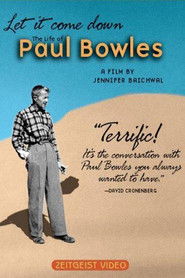
star 1One of the most enigmatic artists of the 20th century, writer, composer and wanderer Paul Bowles (1910-1999) is profiled by a filmmaker who has been obsessed with his genius since age nineteen. Set against the dramatic landscape of North Africa, the mystery of Bowles (famed author of The Sheltering Sky) begins to unravel in Jennifer Baichwal's poetic and moving Let It Come Down: The Life of Paul Bowles. Rare, candid interviews with the reclusive Bowles--at home in Tangier, as well as in New York during an extraordinary final reunion with Allen Ginsberg and William Burroughs--are intercut with conflicting views of his supporters and detractors. At the time in his mid-eighties, Bowles speaks with unprecedented candor about his work, his controversial private life and his relationships with Gertrude Stein, Tennessee Williams, Truman Capote, the Beats, and his wife and fellow author Jane Bowles.Intervention: Stories From the Inside
2009
On June 21 2007, the Howard Federal Government launched an intervention into Aboriginal communities in the Northern Territory. It was one of the most dramatic policy shifts in the history of Aboriginal affairs. Relentless media attention focuses on ideological arguments for and against the Intervention, while the voices of those affected by the policy are rarely heard. For this film more than 40 Alice Springs town camp residents were interviewed in depth over the course of eight months to find out the answer to the question - is it working?Running with Speed
2023
Running with Speed
2023
star 5.2Follows speedrunners, past and present, collaboratively digging for secrets and working to uncover mind-blowing shortcuts and glitches which are used to streamline their runs in top game franchises.Hiding in the Walls
2022
Hiding in the Walls
2022
Hiding in the Walls unwinds the fraught history of lead poisoning in Baltimore and follows the adult survivors who are on a mission to reclaim the narrative.Growing Native Alaska: People of the North
2018
All across Alaska, Native cultures have depended on the abundant natural resources found there to support their families, cultures and way of life. Now these resources are growing scarce, and the people who have relied on them for centuries have to find new ways to adapt.Cinematographer
2020
Cinematographer
2020
The life of Donald M. Morgan, one of Hollywood’s most prolific artists, is a unique, rags-to-riches story about a man who’s had a life-changing effect on the people around him, both personally and professionally. By sharing stories of his lengthy career, working with filmmakers like Robert Zemeckis, John Carpenter and Joseph Sargent, Morgan recounts pivotal moments in the art of filmmaking for over four decades, through interviews with fellow greats Owen Roizman (The Exorcist) and Jack N. Green (Unforgiven). But at the heart of the film is an emotional journey along the road to recovery in an industry that is ripe with dysfunction and addiction. Inspiring, heartbreaking, and funny, “Cinematographer” shares the story of one of the film industry's finest human beings.Art and Craft
2014
Art and Craft
2014
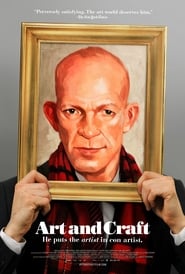
star 7.1For several decades, gifted and incredibly prolific forger Mark Landis compulsively created impeccable copies of works by a variety of major artists, donating them to institutions across the country and landing pieces on many of their walls. ART AND CRAFT brings us into the cluttered and insular life of an unforgettable character just as he finds his foil in an equally obsessive art registrar.Two American Families: 1991-2024
2024
star 8It’s a central premise of the American dream: If you’re willing to work hard, you’ll be able to make a living and build a better life for your children. But what if working hard isn’t enough to get ahead — or even to ensure your family’s basic financial stability? Two American Families: 1991-2024, a special, two-hour documentary filmed over more than 30 years, is a portrait of perseverance from FRONTLINE, Bill Moyers, and filmmakers Tom Casciato and Kathleen Hughes that raises unsettling questions about the changing nature of the American economy and the impact on people struggling to make a living. This is the saga of two families in Milwaukee, Wisconsin — one Black, the Stanleys, and one white, the Neumanns — who have spent the past 34 years battling to keep from sliding into poverty, and who refuse to give up despite the economic challenges that their stories reveal.Christian Audigier: The VIF
2018
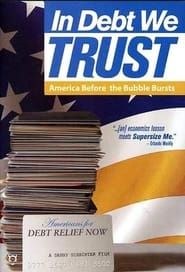
VIF is a one-of-a-kind cinematic documentary, taking us through the introspective life journey of fashion designer Christian Audigier. He created the brand 'Ed Hardy', based on the designs of famous American tattoo artist Don Ed Hardy. After being diagnosed with MDS, an aggressive type of blood cancer, Christian is forced to accept what lies ahead of him.In Debt We Trust: America Before the Bubble Bursts
2007
star 6.2Emmy-winning journalist Danny Schechter investigates America's mounting debt crisis in this latest hard-hitting expose. The film reveals the unknown cabal of credit card companies, lobbyists, media conglomerates and the Bush administration itself who have colluded to deregulate the lending industry, ensuring that a culture of credit dependency can flourish. Schechter exposes the hidden financial and political complex that allows the lowest wage earners to indebt themselves so heavily that even house repossessions are commonplace.The Last Dalai Lama?
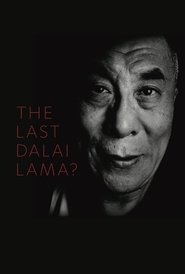
2017
The Last Dalai Lama?
2017
In his 1992 documentary "Compassion in Exile", filmmaker Mickey Lemle created a groundbreaking portrait of the 14th Dalai Lama. His new film takes a fresh look at what is important for His Holiness, who is now in his 80s: the historic confrontation between Tibet and China; his influence in political, spiritual and educational spheres; his work with neuroscientists; and his personal feelings on aging, dying and whether he will be the last Dalai Lama. His impact on the West has grown over the 25 years since the earlier film, and we see some of his influence at work in classes and scientific studies. Artfully weaving interviews and accounts from family, friends and people he inspired, this film vibrantly conveys the Dalai Lama’s humor, wisdom and compassion