Popular Documentary Movies on Kanopy - Page 153
All Services
Free Services
 Netflix
 Amazon Prime Video
 Apple iTunes
 Apple TV Plus
 Disney Plus
 Google Play Movies
 Paramount Plus
 Hulu
Hulu
 HBO Max
 YouTube
 fuboTV
 Peacock
 Peacock Premium
 Amazon Video
 The Roku Channel
 AMC+
AMC on Demand
AMC+
AMC on Demand
 Kocowa
 Hoopla
 The CW
 Vudu
Vudu
 Starz
Starz
 Showtime
 PBS
PBS
 Pantaflix
 FXNow
FXNow
 Tubi TV
 Kanopy
 Comedy Central
 Crunchyroll
 Microsoft Store
 Redbox
 Sun Nxt
 ABC
ABC
 DIRECTV
 Crackle
 Fandor
 Plex
Plex
Netflix
Amazon Prime Video
Apple iTunes
Apple TV Plus
Disney Plus
Google Play Movies
Paramount Plus
Hulu
HBO Max
YouTube
fuboTV
Peacock
Peacock Premium
Amazon Video
The Roku Channel
AMC+
AMC on Demand
Kocowa
Hoopla
The CW
Vudu
Starz
Showtime
PBS
Pantaflix
FXNow
Tubi TV
Kanopy
Comedy Central
Crunchyroll
Microsoft Store
Redbox
Sun Nxt
ABC
DIRECTV
Crackle
Fandor
Plex

A Film Unfinished
2010
A Film Unfinished
2010
star 6.4Yael Hersonski's powerful documentary achieves a remarkable feat through its penetrating look at another film-the now-infamous Nazi-produced film about the Warsaw Ghetto. Discovered after the war, the unfinished work, with no soundtrack, quickly became a resource for historians seeking an authentic record, despite its elaborate propagandistic construction. The later discovery of a long-missing reel complicated earlier readings, showing the manipulations of camera crews in these "everyday" scenes. Well-heeled Jews attending elegant dinners and theatricals (while callously stepping over the dead bodies of compatriots) now appeared as unwilling, but complicit, actors, alternately fearful and in denial of their looming fate.JFK & LBJ: A Time for Greatness
2015
star 6How U.S. President Lyndon B. Johnson used his political prowess to make the Civil Rights Act of 1964 and the Voting Rights Act of 1965 happen. The story is told using rarely-seen footage, interviews and secret White House tapes.Offshore Incorporated
2015
star 6Donne's film points out the major features of the tax avoidance landscape: tax havens, brass plates, capital flight, crown dependencies, and the like.The Name of the Game
2018
The Name of the Game
2018
star 6.7The Name of the Game is a feature-length documentary about the team up between the legendary arcade game designer, Eugene Jarvis, and the Finnish game developer, Housemarque. The end result of the collaboration was the critically acclaimed PS4/PC title Nex Machina. The film gives the audience an unprecedented access to the unpredictable and plain crazy world of making a video game – uncensored.The B-Side: Elsa Dorfman's Portrait Photography
2017
star 6.8Portrait photographer Elsa Dorfman found her medium in 1980: the larger-than-life Polaroid Land 20x24 camera. For the next thirty-five years, she captured the “surfaces” of those who visited her studio: families, Beat poets, rock stars, and Harvard notables. As pictures begin to fade and her retirement looms, Dorfman gives Errol Morris an inside tour of her backyard archive.Who's Afraid of Kathy Acker?
2007
star 7Documentary tracing the extreme life of outlaw writer, performance artist and punk icon, Kathy Acker. Through animation, archival footage, interviews and dramatic reenactments, director Barbara Caspar explores Acker's colorful history, from her well-heeled upbringing to her role as the scribe of society's fringe.Dream Girls
1994
Dream Girls
1994
star 1This film is about Japanese women, escape, glamour and dreams. The Takarazuka Revue is an enormously successful spectacular where the all-women cast create fantasies of erotic love and sensitive men. It is also a world for young girls desperate to do something different with their lives. In return for living a highly disciplined and reclusive existence, they will be adored and envied by many thousands of Japanese women. They will look, act and behave like young men while having no real men in their lives. Dream Girls explores the nature of sexual identity and the contradictory tensions that face young women in Japan today.Edward Said On Orientalism: "The Orient" Represented in Mass Media
1998
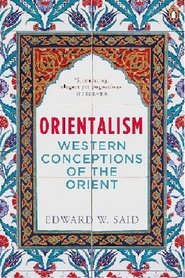
Edward Said's book Orientalism has been profoundly influential in a diverse range of disciplines since its publication in 1978. In this engaging and lavishly illustrated interview he talks about the context within which the book was conceived, its main themes, and how its original thesis relates to the contemporary understanding of "the Orient" as represented in the mass media. "That's the power of the discourse of Orientalism. If you're thinking about people and Islam, and about that part of the world, those are the words you constantly have to use. To think past it, to go beyond it, not to use it, is virtually impossible, because there is no knowledge that isn't codified in this way about that part of the world." -Edward SaidLynch: A History
2019
Lynch: A History
2019
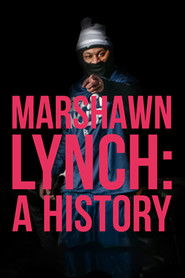
star 6.5LYNCH: A HISTORY deploys a trove of media footage to explore the legacy of nonconformist NFL star and Oakland Raiders running-back Marshawn Lynch. Culled from nearly a thousand video clips, placed in rapid dramatic juxtaposition, the film becomes a powerful political parable about our media system and its ties to the racial oppressions of our time.Sam Klemke's Time Machine
2015
star 6.2In 1977, Sam Klemke began obsessively filming and documenting his life on film. Over the next 35 years we see Sam grow from an optimistic teen to a self-important 20 year old, into an obese, self-loathing 30-something and onwards into his philosophical 50s.Adele and Everything After
2017
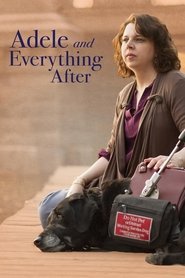
The moving story of a lonely, isolated woman with a heart condition whose life is transformed by a service dog, and what happens when she has to let go of the loyal companion who changed her life.Wuhan Wuhan
2021
Wuhan Wuhan
2021
star 6In a time when the world needs greater cross-cultural understanding, WUHAN WUHAN is an invaluable depiction of a metropolis joining together to overcome a crisis.What Was Ours
2016
What Was Ours
2016
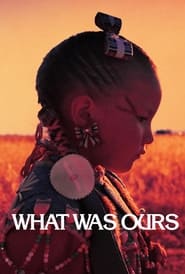
Like millions of indigenous people, many Native American tribes do not control their own material history and culture. For the Eastern Shoshone and Northern Arapaho tribes living on the isolated Wind River Indian Reservation in Wyoming, new contact with lost artifacts risks opening old wounds but also offers the possibility for healing. What Was Ours is the story of how a young journalist and a teenage powwow princess, both of the Arapaho tribe, travelled together with a Shoshone elder in search of missing artifacts in the vast archives of Chicago’s Field Museum. There they discover a treasure trove of ancestral objects, setting them on a journey to recover what has been lost and build hope for the future.Lost Angels: Skid Row Is My Home
2012
star 6.4Los Angeles' Skid Row is home to one of the largest homeless populations in the United States. And we found, inside that community, the remarkable and enormously moving stories of Olympic athletes, Harvard attorneys, accomplished musicians, scholars. We found poverty, drugs and mental illness, of course - but more importantly we found life, hope and incredibly powerful human journeys.Secrets of Stonehenge
2010
star 8Dated to the late Stone Age, Stonehenge may be the best-known and most mysterious relic of prehistory. Every year, a million visitors are drawn to England to gaze upon the famous circle of stones, but the monument's meaning has continued to elude us. Now investigations inside and around Stonehenge have kicked off a dramatic new era of discovery and debate over who built Stonehenge and for what purpose. How did prehistoric people quarry, transport, sculpt, and erect these giant stones? Granted exclusive access to the dig site at Bluestonehenge, a prehistoric stone-circle monument recently discovered about a mile from Stonehenge, NOVA cameras join a new generation of researchers finding important clues to this enduring mystery.Crystal City
2019
Crystal City
2019
star 7.5An explosion of crystal meth addiction is ravaging New York City's gay community. "Crystal City" explores the worsening epidemic through the eyes of recovering addicts and active users as they attempt to overcome their disease.Commander Arian
2018
Commander Arian
2018
star 8.1On the front line of the Syrian war, a 30-year-old commander leads her female battalion to retake an ISIS-controlled city and emerges severely wounded, forcing her to redefine herself in this empowering tale of emancipation and freedom.Return From ISIS
2020
Return From ISIS
2020
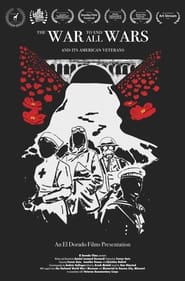
Secrets, lies and lasting consequences. For the past four years, journalist Josh Baker has been trying to uncover the truth about an American family's journey from Indiana to the Islamic State group's caliphate and back.The War to End all Wars... and its American Veterans
2020
Relying on newly discovered archival footage, memoirs from the fallen, and expert commentary from scholars, this documentary tells the story of World War I from the American perspective: Its ace pilots, mine-laying Sailors, heroic doughboys, Harlem Hell Fighters, and courageous nurses.Ghosts of Stonehenge
2017
Ghosts of Stonehenge
2017
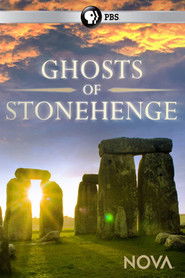
star 6Who built Stonehenge and why? Groundbreaking archaeological digs have revealed major new clues about Britain's enigmatic 5,000-year-old site and the people who constructed it.